Swiss chard
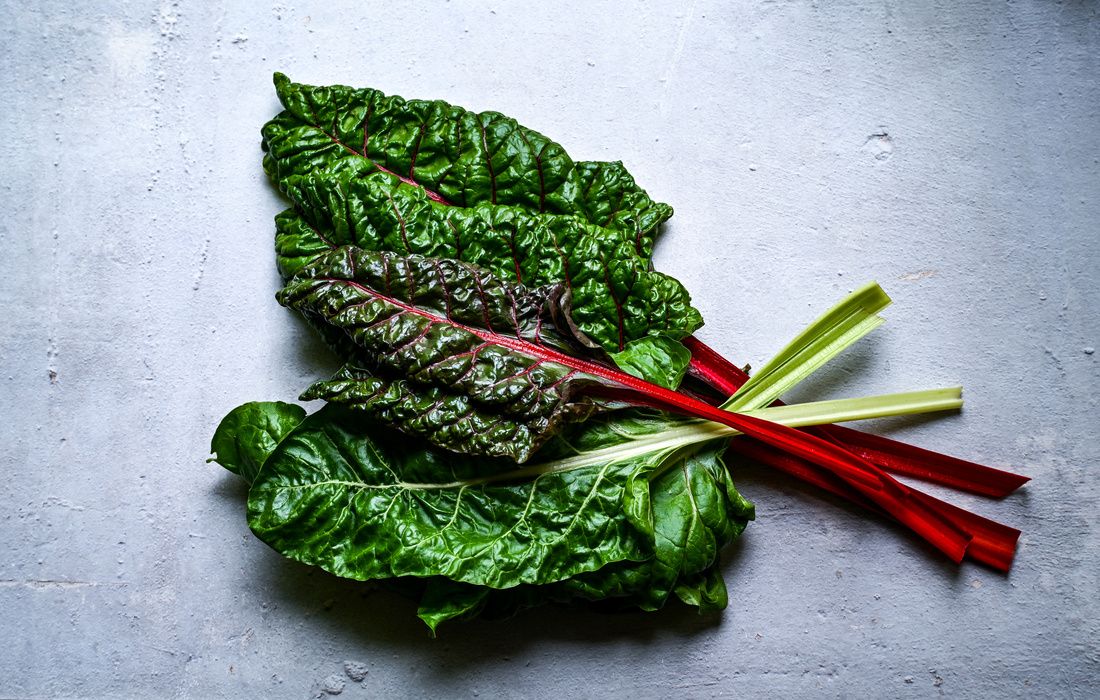
Swiss chard (Beta vulgaris subsp. vulgaris) is a leafy green vegetable closely related to beets. It is prized for its tender, dark green leaves and colorful, crunchy stems that range from white and yellow to orange, pink, and deep red. While green-stemmed varieties are often sold simply as Swiss chard, colorful blends are commonly labeled rainbow chard. Although the different stem colors vary slightly in their phytonutrient composition, all varieties provide an impressive combination of vitamins, minerals, carotenoids, and polyphenols that support overall health.
Swiss chard has a mild, earthy flavor with a slight bitterness that becomes sweeter when cooked. The leaves cook quickly like spinach, while the stems remain pleasantly crisp and benefit from a few extra minutes of cooking. Both the leaves and stems are edible, making Swiss chard a versatile addition to soups, stews, sautés, grain bowls, omelets, frittatas, and pasta dishes.
Swiss chard
Swiss chard (Beta vulgaris subsp. vulgaris) is a leafy green vegetable closely related to beets. It is prized for its tender, dark green leaves and colorful, crunchy stems that range from white and yellow to orange, pink, and deep red. While green-stemmed varieties are often sold simply as Swiss chard, colorful blends are commonly labeled rainbow chard. Although the different stem colors vary slightly in their phytonutrient composition, all varieties provide an impressive combination of vitamins, minerals, carotenoids, and polyphenols that support overall health.
Swiss chard has a mild, earthy flavor with a slight bitterness that becomes sweeter when cooked. The leaves cook quickly like spinach, while the stems remain pleasantly crisp and benefit from a few extra minutes of cooking. Both the leaves and stems are edible, making Swiss chard a versatile addition to soups, stews, sautés, grain bowls, omelets, frittatas, and pasta dishes.