BLUEBERRIES ON BLUE RUSTIC-1
Jan 18, 2026

The Top 14 Anti-Inflammatory Foods

Inflammation is regulated through specific biological pathways, many of which are directly influenced by the nutrients and phytochemicals we consume. Polyphenols influence the molecular switches that turn inflammatory genes up or down. Omega-3 fats influence cell membrane composition and the body’s production of compounds that help resolve inflammation. Fermentable fibers shape microbial metabolites that support immune balance. Antioxidants and flavonoids help buffer oxidative stress at the cellular level. Human intervention studies consistently show that when these compounds are consumed regularly, measurable changes occur—including reductions in circulating endotoxin (LPS), improvements in gut barrier integrity, lower oxidative stress, and shifts in inflammatory gene expression. Below are 14 of the most well-studied anti-inflammatory foods, each supported by human clinical research, that you can begin layering into meals regularly.

Read More
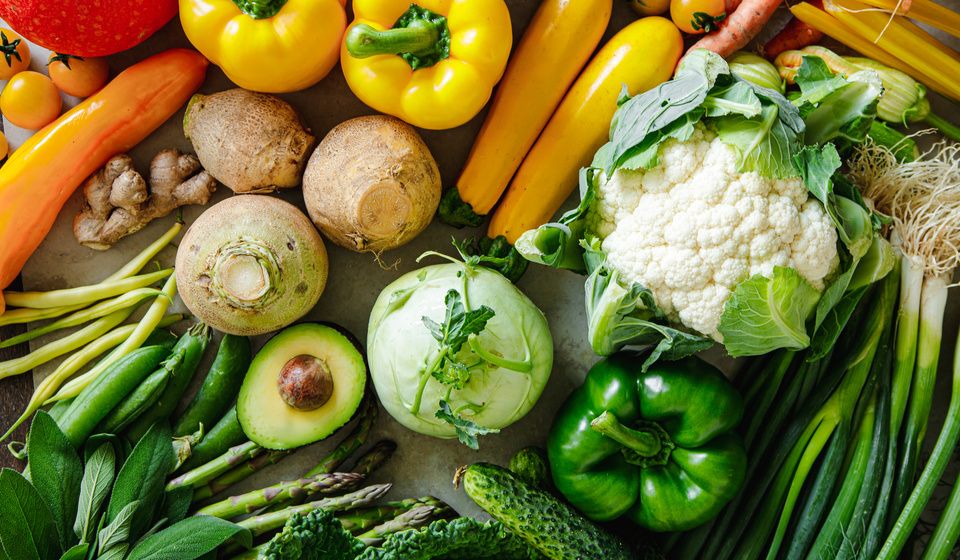
FRESH GARDEN VEGETABLES-2
Jan 12, 2026

Anti-Inflammatory Foods: What to Eat More Of

An anti-inflammatory diet isn’t about chasing superfoods or eliminating everything at once. It’s about shifting daily patterns so your body receives fewer inflammatory signals and more of what supports repair, balance, and resilience. Inflammation responds to repeated inputs—blood sugar swings, oxidative stress, immune activation, gut barrier disruption, and damaged fats—not isolated meals. Food choices work because they change the signaling environment cells live in every day. Research across metabolic, cardiovascular, neurological, and immune systems consistently shows that inflammation is shaped by what we do repeatedly over time. It’s long-term eating patterns, not quick dietary changes, that determine how inflamed or calm the body’s internal environment tends to be.

Read More
ANTI-INFLAMMATORY VEGETABLES-4
Jan 08, 2026

What Inflammation Is and How Food Influences It

Inflammation is one of the body’s most important protective responses, and one of the most misunderstood. Inflammation is not a symptom or a diagnosis, it is a biological signaling process the immune system uses to protect you, repair damage, and restore balance. When inflammation turns on briefly and then resolves, it supports healing. When the signal stays active, or the body can’t complete the resolution phase, this same protective response becomes chronic and quietly damaging. Inflammation is an energy-expensive, chemically coordinated defense response. The immune system turns it on when cells detect danger, and it turns it off once repair is complete. Problems arise when the danger signal is persistent, or the resolution phase fails. That’s when inflammation shifts from helpful to harmful.

Read More
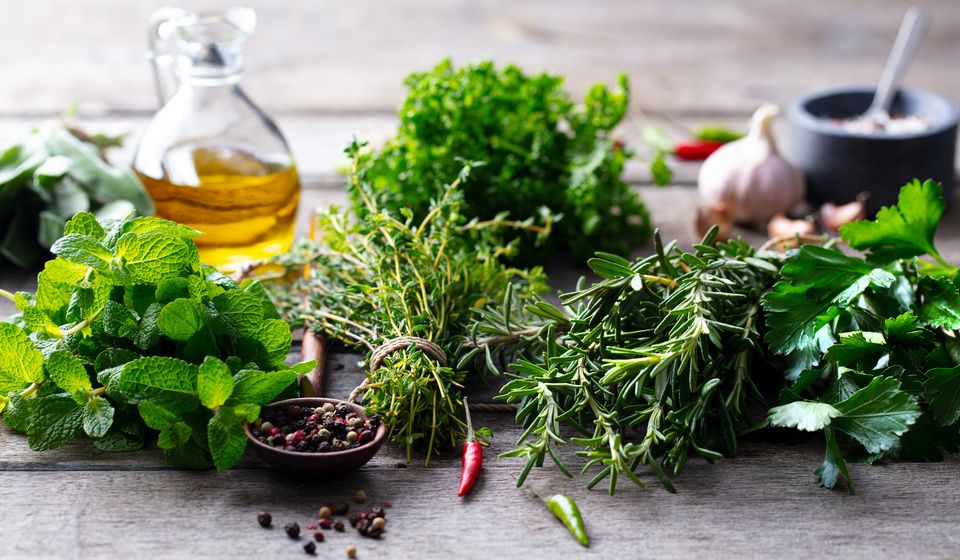
FRESH ANTI-INFLAMMATORY HERBS AND OLIVE OIL
Jan 02, 2026

The Anti-Inflammatory Diet: What You Need to Know

Chronic inflammation sits quietly beneath many modern health challenges. And food is one of the most powerful influences on whether we continue to fuel that internal fire, or help calm it. Inflammation can build for several reasons. It can arise from regularly eating highly processed foods that increase oxidative stress, a state in which free radicals outpace the body’s antioxidant defenses. It can also be driven by chronically elevated blood sugar from excess sugar and refined carbohydrates, which keeps inflammatory hormones and immune messengers turned on. And very often, inflammation is sustained by hidden food sensitivities—when the immune system reacts to certain foods, even ones commonly considered healthy. This is where the Anti-Inflammatory Diet becomes so helpful.

Read More
HEALTHY RELATIONSHIPS-1
Dec 12, 2025

Safe Relationships: A Biological Requirement for Health

Safe relationships are a biological requirement for health. From birth onward, the human nervous system develops in response to safe, attuned connection—through touch, facial expression, tone of voice, and emotional availability. These cues shape how the brain, immune system, gut, and stress response learn to regulate themselves across the lifespan. This is known as co-regulation. Humans are wired to help regulate one another’s nervous systems through safe connection. When safety is present, the body can relax and direct energy toward digestion, immune balance, detoxification, and repair. When safety is missing, or when relationships are chronically stressful, the nervous system remains on guard, disrupting digestion, immunity, hormonal signaling, and inflammatory regulation over time.

Read More
CHAMOMILE FLOWERS FIELD SUNSET-1
Dec 02, 2025

Self-Care Is the Work That Changes You

Self-care is the practice of supporting your body and nervous system in ways that create real, lasting change. This is the transformative work that changes your health and your relationship with yourself at the same time. The work of removing inflammatory foods, identifying food sensitivities, reducing sugar and alcohol, supporting detoxification, healing the gut, prioritizing protein, and restoring sleep is not easy. It requires consistency, awareness, and the willingness to disrupt familiar patterns. It is through this work that self-worth strengthens and your capacity for life expands.

Read More
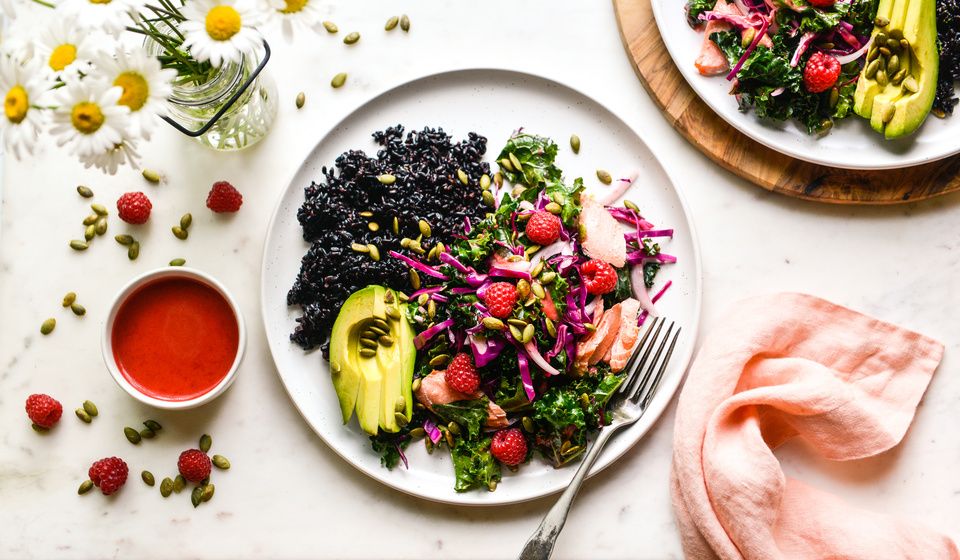
DETOX SALMON RASPBERRY SALAD WITH BLACK RICE MEAL-1
Nov 30, 2025

What Does a Cortisol-Balancing Diet Look Like?

A cortisol-balancing way of eating isn’t about special foods or strict rules. It begins by removing foods that drive inflammation or immune reactions, prioritizing anti-inflammatory nourishment, and balancing blood sugar throughout the day. From there, it’s about how meals are structured and spaced so the body doesn’t have to compensate with stress hormones. Cortisol responds best to predictable nourishment. When meals are skipped, overly restrictive, or overly sugary, the body fills the gap by releasing cortisol to maintain blood sugar and energy. When meals are balanced and consistent, cortisol can rise and fall naturally—supporting steadier energy, calmer moods, deeper sleep, and overall resilience.

Read More
TULSI HERBAL TEA FLOWERS-1
Nov 18, 2025

Tulsi Tea: A Daily Ritual for Nervous System Resilience

When the body has been under stress for a long time, it doesn’t immediately relax just because the stressor is gone. Cortisol rhythms can remain disrupted, keeping the nervous system in a low-grade state of alert. This is where gentle, consistent signals of safety matter. Tulsi (holy basil) tea is one of those signals. Tulsi has been revered across cultures for centuries, not only as a medicinal herb but as a plant associated with protection, balance, and daily nourishment. Traditionally grown close to the home and prepared as teas or simple extracts, tulsi was used to support resilience—physically, emotionally, and spiritually. This long history of everyday use reflects what modern research now confirms, tulsi gently supports the body’s ability to adapt to stress.

Read More
BEESWAX CANDLE DIGESTION DINNER
Nov 11, 2025

How Nervous System Dysregulation Affects Digestion

If digestion feels unpredictable—bloating one day, discomfort the next, reactions to foods that should be fine—it’s easy to assume the problem is the food. However, digestion doesn’t begin in the stomach. It begins in the nervous system. Digestion is a parasympathetic process. When the body feels safe, relaxed, and supported, digestive secretions flow, motility is coordinated, and nutrients are absorbed efficiently. When the nervous system is under stress—whether from inflammation, blood sugar instability, poor sleep, or ongoing emotional or relational strain—digestion downshifts in favor of survival. You can’t digest well while running from a lion.

Read More
STRAWBERRIES AND CHAMOMILE-2
Nov 03, 2025

How to Balance Cortisol With Diet

Cortisol often gets labeled as a “stress hormone,” but in a healthy body, cortisol is not the enemy. It’s a guiding hormone. One that helps regulate energy, blood sugar, inflammation, blood pressure, and the sleep–wake cycle. When cortisol follows its natural daily rhythm, mornings feel alert, energy stays steady, and sleep becomes deep and restorative. When the rhythm is disrupted, the body can feel wired at the wrong times and tired when energy is needed. The good news is that cortisol rhythm responds quickly to daily habits—how you eat, sleep, move, manage stress, and expose yourself to light. Small, consistent changes can help bring this rhythm back into balance.

Read More