SLEEPYTIME PASSIONFLOWER HERBAL TEA RECIPE-1
Oct 26, 2025

Sleepytime Herbal Tea Recipe

A warm cup of herbal tea in the evening gently tells your nervous system that the day is complete. Heat, aroma, and familiar flavors activate the parasympathetic response, helping cortisol fall and melatonin rise naturally. Unlike sleep aids that push the body into sedation, calming herbs work by lowering neural noise and restoring a sense of safety. When the nervous system is supported, sleep can emerge organically. This sleepytime herbal blend brings together traditional nervines and calming botanicals that help the body soften, the mind slow, and the stress response unwind. Below, you’ll learn how each herb in this blend gently guides the body toward rest.


Read More
DAISIES AT SUNSET-1
Oct 17, 2025

Magnesium for Sleep: The Simplest Way to Support Deeper Rest

If falling asleep feels hard, or your body is exhausted but your mind won’t slow down, magnesium may be the missing link. Magnesium is involved in over 300 enzymatic reactions in the body, many of which directly affect the nervous system, stress hormones, and sleep chemistry. Yet it’s also one of the most commonly depleted minerals due to stress, inflammation, blood sugar imbalance, medications, and modern diets. When magnesium runs low, the nervous system struggles to downshift. Muscles stay tense. Thoughts keep looping. Cortisol lingers. And deep, restorative sleep becomes harder to access. The good news? Restoring magnesium, through food and supplementation, often brings noticeable changes quickly.

Read More
SALMON POTATO BROCCOLI SALAD-1
Oct 08, 2025

Eat to Sleep: How Meal Timing and Macronutrients Support Your Circadian Rhythm

Your circadian rhythm isn’t guided only by light. Food timing tells your internal clocks when to be alert and when to wind down. When meals are irregular, or too heavy too late, your body receives mixed signals that can disrupt the natural evening drop in cortisol and the rising tide of melatonin. The way you structure your meals throughout the day has a powerful influence on your sleep at night. Blood sugar swings, skipped meals, and unbalanced macronutrients shift your hormonal rhythm, making it harder to fall asleep, stay asleep, or wake feeling restored.

Read More
ALARM CLOCK SLEEP INFLAMMATION
Oct 01, 2025

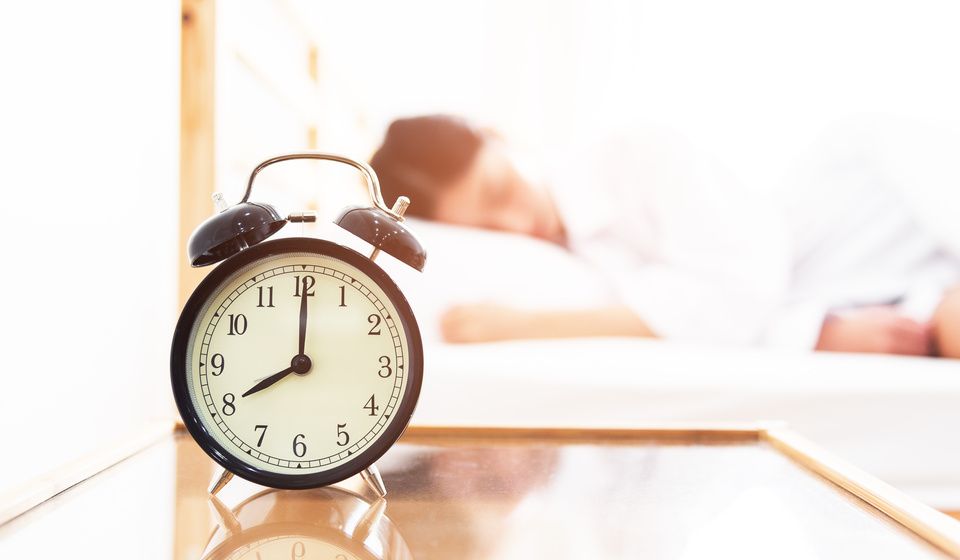
How Food Sensitivities Affect Sleep

Food sensitivities can contribute to chronic inflammation, which disrupts the communication between your gut, immune system, and brain, Over time, this ongoing inflammation can affect everything from your mood to your sleep to your overall well-being. Unlike a food allergy, which triggers an immediate and sometimes severe immune reaction, a food sensitivity creates a slower, more subtle inflammatory response. Certain foods—often ones eaten regularly—can irritate the intestinal lining, increase immune signaling, and release cytokines that circulate through the body and brain. The effects may appear hours or even days after eating, showing up as fatigue, joint pain, skin issues, anxiety, or poor sleep.

Read More