Eat to Sleep: How Meal Timing and Macronutrients Support Your Circadian Rhythm
Ali Segersten
Your circadian rhythm isn’t guided only by light. Food timing tells your internal clocks when to be alert and when to wind down. When meals are irregular, or too heavy too late, your body receives mixed signals that can disrupt the natural evening drop in cortisol and the rising tide of melatonin.
The way you structure your meals throughout the day has a powerful influence on your sleep at night. Blood sugar swings, skipped meals, and unbalanced macronutrients shift your hormonal rhythm, making it harder to fall asleep, stay asleep, or wake feeling restored.
Below are the four core principles of eating in harmony with your circadian rhythm. Simple shifts that help your body drop into deep, restorative sleep.
1. Start Your Day With Protein + Healthy Fat
Your morning meal sets the tone for your entire hormonal rhythm.
A breakfast rich in protein, healthy fats, and fiber:
- stabilizes blood sugar
- supports the natural morning cortisol peak
- prevents the afternoon crash that often leads to late-day overeating
When your blood sugar is balanced during the day, your body is far less likely to release stress hormones at night.
When eaten at a consistent time each morning, this type of breakfast also acts as a zeitgeber—a “time-giver” that helps synchronize your internal clock. While light is the strongest circadian signal, food timing is a powerful secondary cue that tells your body when daytime begins and helps cortisol follow its natural rhythm, leaving space for melatonin to rise later in the evening.
Why it matters:
Research shows that balanced morning macronutrients help regulate cortisol patterns and improve metabolic stability throughout the day.
2. Avoid Large, Late-Night Meals
Your digestive system follows a circadian rhythm too.
When you eat late in the evening:
- blood sugar stays elevated longer
- insulin remains higher into the night
- melatonin production is delayed
- sleep becomes lighter and less restorative
Late meals ask your body to stay in daytime metabolic mode when it is biologically preparing for rest. Elevated insulin in the evening can delay or blunt melatonin release, making it harder to fall asleep.
At the same time, as melatonin naturally rises, it signals the body to shift out of glucose-processing mode. Insulin signaling becomes less efficient. This is because nighttime is meant for cellular repair, restoration, and metabolic rest rather than active fuel intake.
When insulin remains elevated while melatonin is trying to rise, these competing signals can keep blood sugar unstable and the nervous system alert, interfering with deep, restorative sleep.
Why this matters:
Recent population data show that eating later in the evening, especially heavier meals closer to bedtime, is associated with poorer sleep timing and shorter sleep duration. Additional research indicates that diets which strongly stimulate insulin are linked to increased odds of sleep disturbances and longer time needed to fall asleep, reinforcing meal timing as a powerful circadian signal for rest.
Try instead:
Eat your last full meal 3 to 4 hours before bed, giving insulin time to fall and melatonin the space to rise naturally.
3. Include Slow-Digesting Carbohydrates at Dinner
While heavy evening meals can disrupt sleep, the right carbohydrates, served in a balanced meal, can support it.
Include small to moderate portions of slow-digesting carbs such as:
- sweet potatoes
- winter squash
- yellow potatoes
- root vegetables
- quinoa
- lentils
- chickpeas
- brown rice
These slow-digesting, whole-food carbohydrates support tryptophan availability, providing the raw materials your body needs to produce serotonin and melatonin.
Why it matters:
Meals that include complex carbohydrates earlier in the evening can help support faster sleep onset, while eating too close to bedtime may interfere with the body’s natural rise in melatonin.
4. Support the Cortisol–Melatonin Rhythm With Consistent Meal Timing
Your body thrives on rhythm. Erratic eating like skipping meals, grazing all day, and long gaps followed by large meals can confuse your circadian system.
A consistent meal rhythm:
- balances cortisol
- stabilizes blood sugar
- strengthens your natural melatonin rise in the evening

Putting It Into Practice
Here is a simple daily structure to support sleep:
Morning:
Protein + fat + fiber
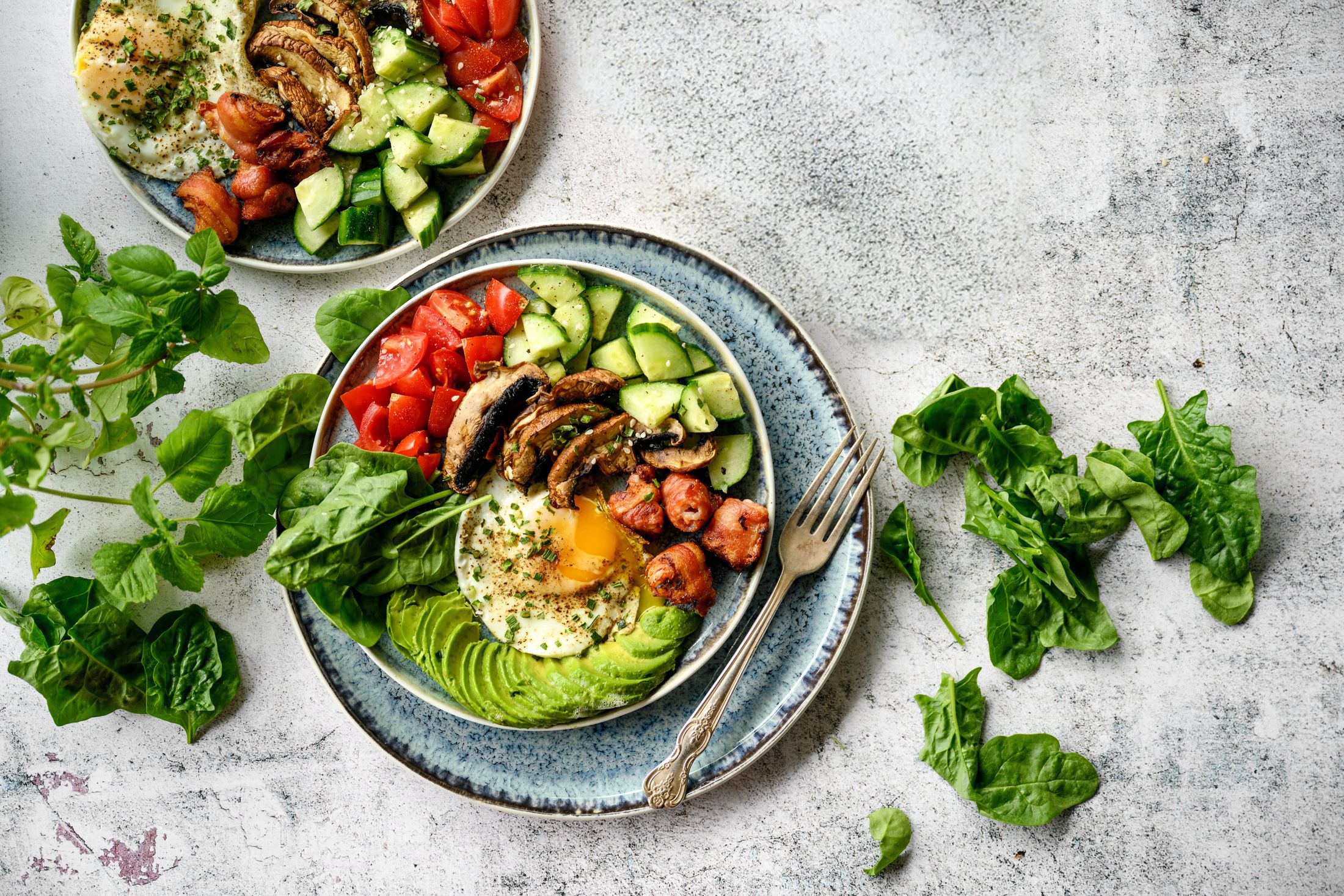
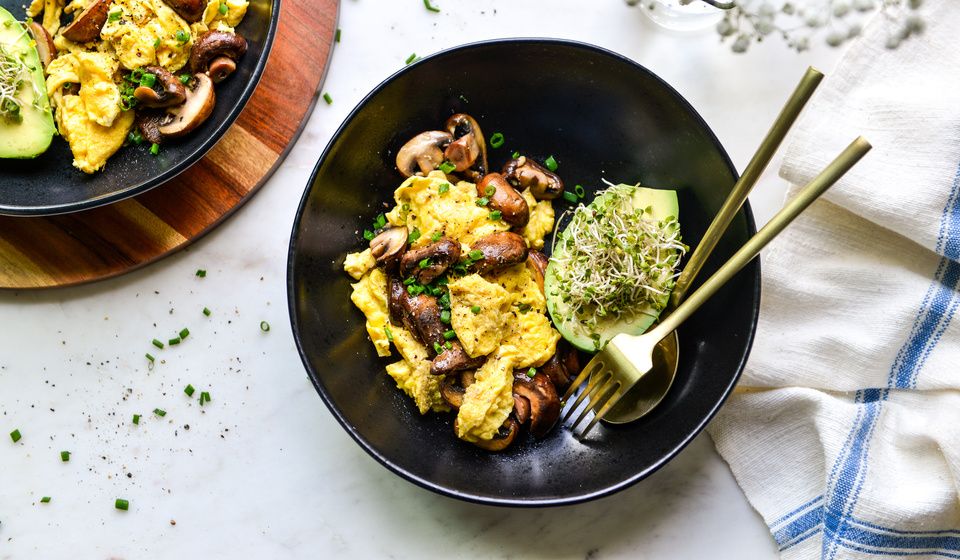
(example: eggs with sautéed greens and sliced avocado; smoothie with protein powders; turkey-cauliflower hash with sliced avocado; chia pudding with nuts)
Afternoon:
Protein + fat + fiber
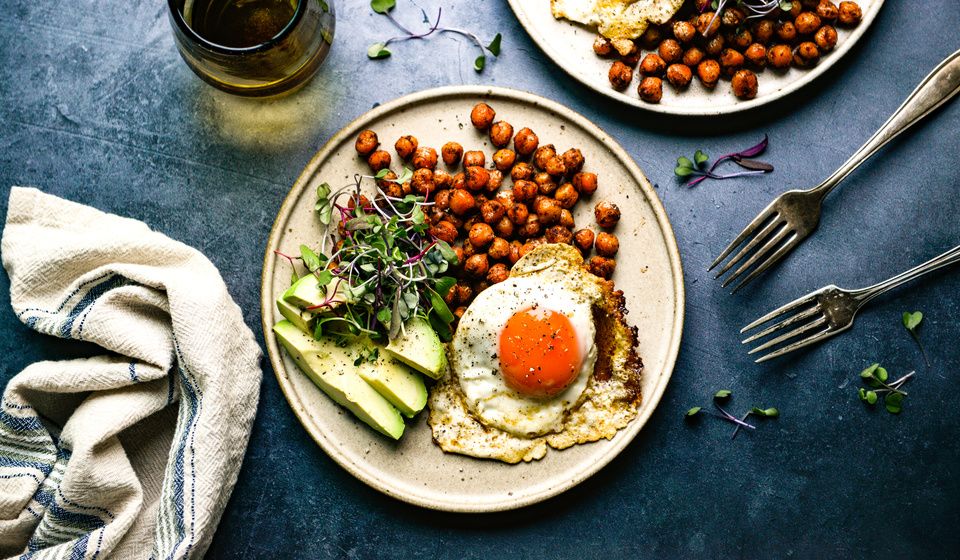
(example: simple balanced plate with protein and colorful vegetables utilizing leftovers; a smoothie with added amino acids and protein powder plus a handful of nuts or seeds; hummus, raw veggies, and hard-boiled eggs)
Evening:
Lighter dinner with slow carbs + protein + vegetables
(example: salmon with roasted potatoes and broccoli and sliced radishes; lentil soup with veggies and brown rice)
Before bed:
No large meals; cortisol-lowering herbal tea or this relaxing sleepytime tea recipe
If You Want to Go Deeper
Many people find that improving meal timing alone supports better sleep. If food sensitivities may be part of your sleep disruption, an Elimination Diet can offer deeper clarity.
✨ Free Download: How to Do an Elimination Diet
To begin building a consistent rhythm with meals, explore The Ultimate Guide to Learning How to Meal Plan, which includes free planners and ingredient inventories to help you practice the basics and create a simple structure.
✨ Free Downloads: Your Ultimate Meal Planning Guides
When you’re ready to make meal planning easier and more personalized—especially for specific dietary needs—the Nourishing Meals® membership gives you the tools to plan, save, and generate meals and grocery lists in one place, without having to start from scratch each week.
References:
Afaghi A, O'Connor H, Chow CM. High-glycemic-index carbohydrate meals shorten sleep onset. Am J Clin Nutr. 2007 Feb;85(2):426-30. doi: 10.1093/ajcn/85.2.426. Erratum in: Am J Clin Nutr. 2007 Sep;86(3):809. PMID: 17284739.
Kim N, Conlon RK, Farsijani S, Hawkins MS. Association Between Chrononutrition Patterns and Multidimensional Sleep Health. Nutrients. 2024 Oct 31;16(21):3724. doi: 10.3390/nu16213724. PMID: 39519556; PMCID: PMC11547175.
McMullan CJ, Schernhammer ES, Rimm EB, Hu FB, Forman JP. Melatonin secretion and the incidence of type 2 diabetes. JAMA. 2013 Apr 3;309(13):1388-96. doi: 10.1001/jama.2013.2710. PMID: 23549584; PMCID: PMC3804914.
Rostampour K, Sarebanhassanabadi M, Bidaki R, Seyedhosseini SM, Ahmadi-Vasmehjani A, Mohyadini M, Mirjalili FS, Salehi-Abargouei A. Dietary glycemic and insulin indices in association with sleep quality and duration in patients undergoing angiography. BMC Nutr. 2025 May 23;11(1):100. doi: 10.1186/s40795-025-01082-6. PMID: 40410827; PMCID: PMC12100947.
Ruddick-Collins LC, Johnston JD, Morgan PJ, Johnstone AM. The Big Breakfast Study: Chrono-nutrition influence on energy expenditure and bodyweight. Nutr Bull. 2018 Jun;43(2):174-183. doi: 10.1111/nbu.12323. Epub 2018 May 8. PMID: 29861661; PMCID: PMC5969247.

About the Author
Alissa Segersten, MS, CN
Alissa Segersten, MS, CN, is the founder of Nourishing Meals®, an online meal-planning membership with over 2,000 nourishing recipes and tools to support dietary change and better health. As a functional nutritionist, professional recipe developer, author of The Whole Life Nutrition Cookbook and Nourishing Meals, and co-author of The Elimination Diet, she helps people overcome health challenges through food. A mother of five, Alissa understands the importance of creating nutrient-dense meals for the whole family. Rooted in science and deep nourishment, her work makes healthy eating accessible, empowering thousands to transform their well-being through food.Nourishing Meals Newsletter
Email updates.



Add Comment