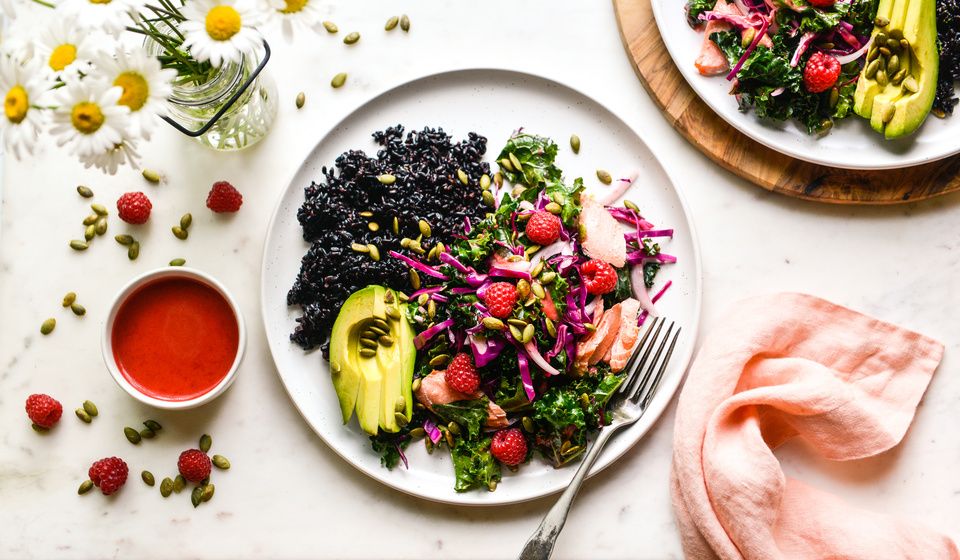
SALMON POTATO BROCCOLI SALAD-1
Oct 08, 2025

Eat to Sleep: How Meal Timing and Macronutrients Support Your Circadian Rhythm

Your circadian rhythm isn’t guided only by light. Food timing tells your internal clocks when to be alert and when to wind down. When meals are irregular, or too heavy too late, your body receives mixed signals that can disrupt the natural evening drop in cortisol and the rising tide of melatonin. The way you structure your meals throughout the day has a powerful influence on your sleep at night. Blood sugar swings, skipped meals, and unbalanced macronutrients shift your hormonal rhythm, making it harder to fall asleep, stay asleep, or wake feeling restored.

Read More
ALARM CLOCK SLEEP INFLAMMATION
Oct 01, 2025

How Food Sensitivities Affect Sleep

Food sensitivities can contribute to chronic inflammation, which disrupts the communication between your gut, immune system, and brain, Over time, this ongoing inflammation can affect everything from your mood to your sleep to your overall well-being. Unlike a food allergy, which triggers an immediate and sometimes severe immune reaction, a food sensitivity creates a slower, more subtle inflammatory response. Certain foods—often ones eaten regularly—can irritate the intestinal lining, increase immune signaling, and release cytokines that circulate through the body and brain. The effects may appear hours or even days after eating, showing up as fatigue, joint pain, skin issues, anxiety, or poor sleep.

Read More
BREAKFAST EGGS AND GREENS LOW-HISTAMINE LOW-CARB-1
Sep 08, 2025

High-Protein Breakfast Ideas for All-Day Energy

Starting your day with enough protein is one of the simplest ways to transform your energy, focus, and mood. When breakfast is mostly carbs (toast, cereal, fruit juice), blood sugar rises quickly and then crashes mid-morning, leaving you tired, foggy, and craving sugar or caffeine. Instead, beginning your day with protein, healthy fats, and fiber slows digestion, keeps blood sugar balanced, and supports a healthy cortisol rhythm—helping you avoid the blood sugar roller coaster that drains your energy. Protein in the morning also provides the amino acids needed to make neurotransmitters like serotonin, dopamine, and GABA, which support focus, mood, and calm energy.

Read More