BLUEBERRIES ON BLUE RUSTIC-1
Jan 18, 2026

The Top 14 Anti-Inflammatory Foods

Inflammation is regulated through specific biological pathways, many of which are directly influenced by the nutrients and phytochemicals we consume. Polyphenols influence the molecular switches that turn inflammatory genes up or down. Omega-3 fats influence cell membrane composition and the body’s production of compounds that help resolve inflammation. Fermentable fibers shape microbial metabolites that support immune balance. Antioxidants and flavonoids help buffer oxidative stress at the cellular level. Human intervention studies consistently show that when these compounds are consumed regularly, measurable changes occur—including reductions in circulating endotoxin (LPS), improvements in gut barrier integrity, lower oxidative stress, and shifts in inflammatory gene expression. Below are 14 of the most well-studied anti-inflammatory foods, each supported by human clinical research, that you can begin layering into meals regularly.
Read More
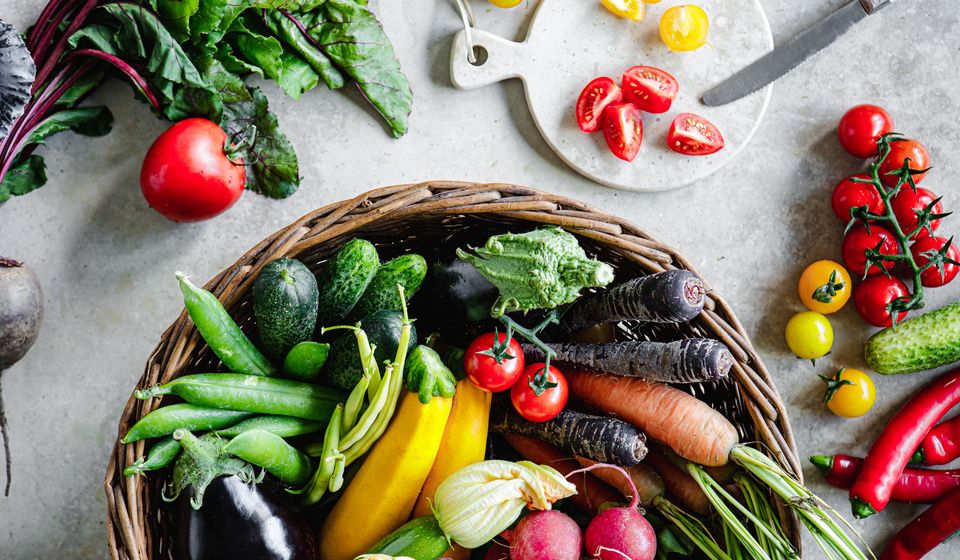
FRESH GARDEN VEGETABLES-2
Jan 12, 2026

Anti-Inflammatory Foods: What to Eat More Of

An anti-inflammatory diet isn’t about chasing superfoods or eliminating everything at once. It’s about shifting daily patterns so your body receives fewer inflammatory signals and more of what supports repair, balance, and resilience. Inflammation responds to repeated inputs—blood sugar swings, oxidative stress, immune activation, gut barrier disruption, and damaged fats—not isolated meals. Food choices work because they change the signaling environment cells live in every day. Research across metabolic, cardiovascular, neurological, and immune systems consistently shows that inflammation is shaped by what we do repeatedly over time. It’s long-term eating patterns, not quick dietary changes, that determine how inflamed or calm the body’s internal environment tends to be.

Read More
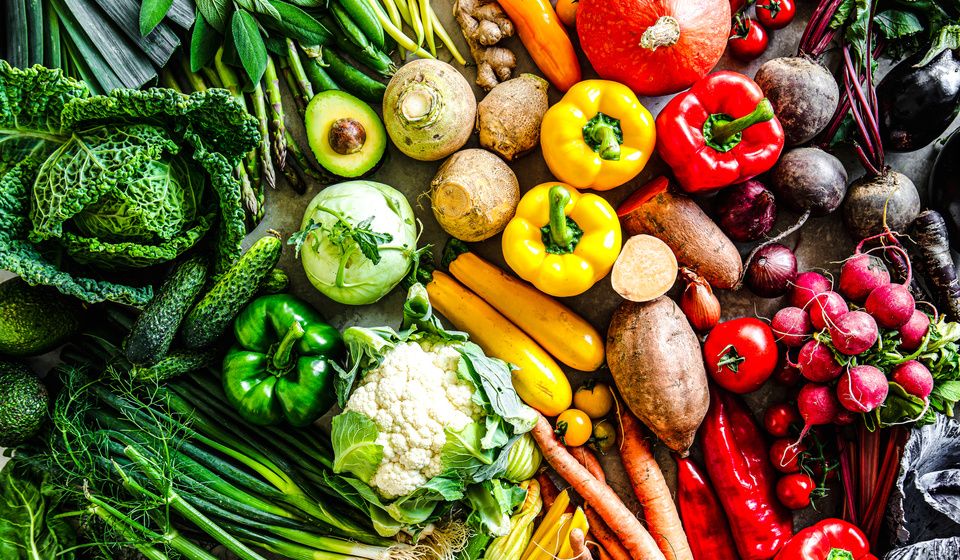
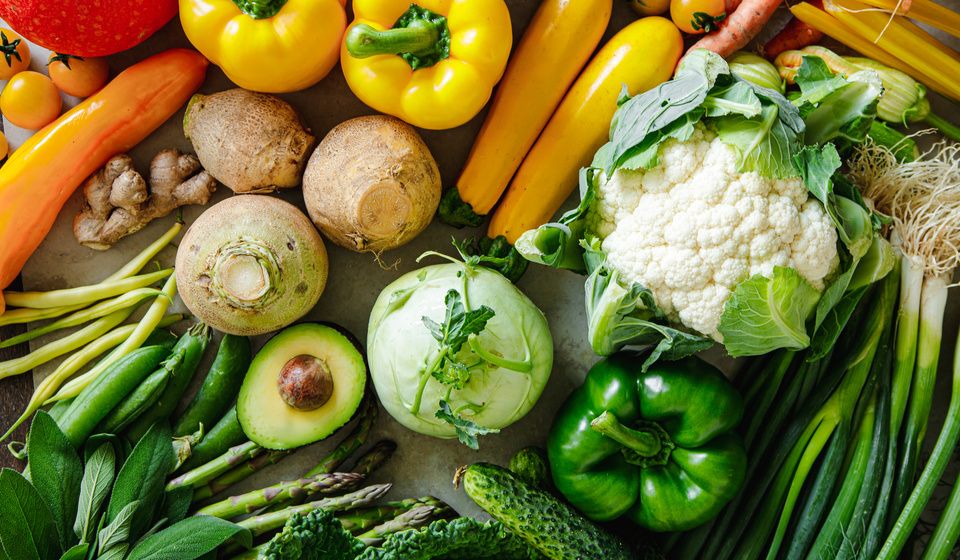
ANTI-INFLAMMATORY VEGETABLES-4
Jan 08, 2026

What Inflammation Is and How Food Influences It

Inflammation is one of the body’s most important protective responses, and one of the most misunderstood. Inflammation is not a symptom or a diagnosis, it is a biological signaling process the immune system uses to protect you, repair damage, and restore balance. When inflammation turns on briefly and then resolves, it supports healing. When the signal stays active, or the body can’t complete the resolution phase, this same protective response becomes chronic and quietly damaging. Inflammation is an energy-expensive, chemically coordinated defense response. The immune system turns it on when cells detect danger, and it turns it off once repair is complete. Problems arise when the danger signal is persistent, or the resolution phase fails. That’s when inflammation shifts from helpful to harmful.

Read More
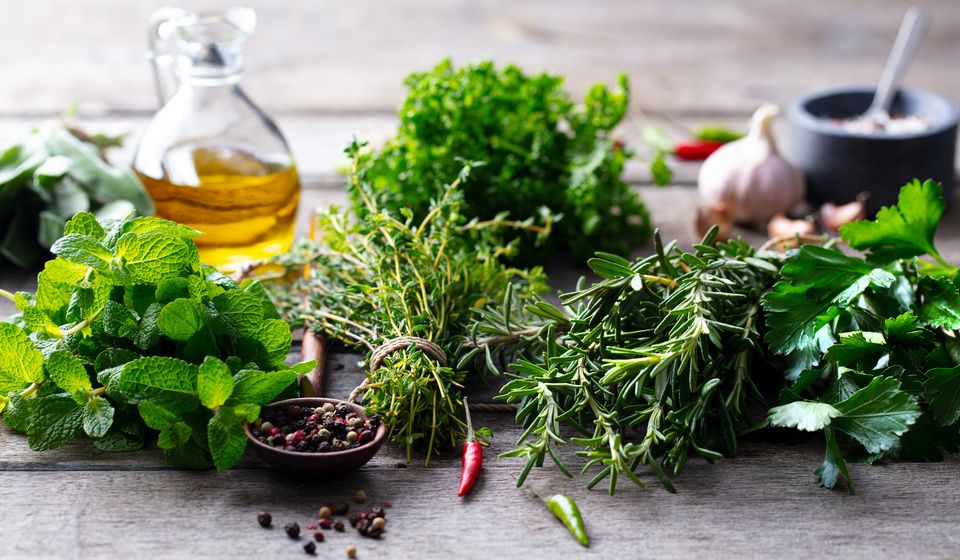
FRESH ANTI-INFLAMMATORY HERBS AND OLIVE OIL
Jan 02, 2026

The Anti-Inflammatory Diet: What You Need to Know

Chronic inflammation sits quietly beneath many modern health challenges. And food is one of the most powerful influences on whether we continue to fuel that internal fire, or help calm it. Inflammation can build for several reasons. It can arise from regularly eating highly processed foods that increase oxidative stress, a state in which free radicals outpace the body’s antioxidant defenses. It can also be driven by chronically elevated blood sugar from excess sugar and refined carbohydrates, which keeps inflammatory hormones and immune messengers turned on. And very often, inflammation is sustained by hidden food sensitivities—when the immune system reacts to certain foods, even ones commonly considered healthy. This is where the Anti-Inflammatory Diet becomes so helpful.

Read More
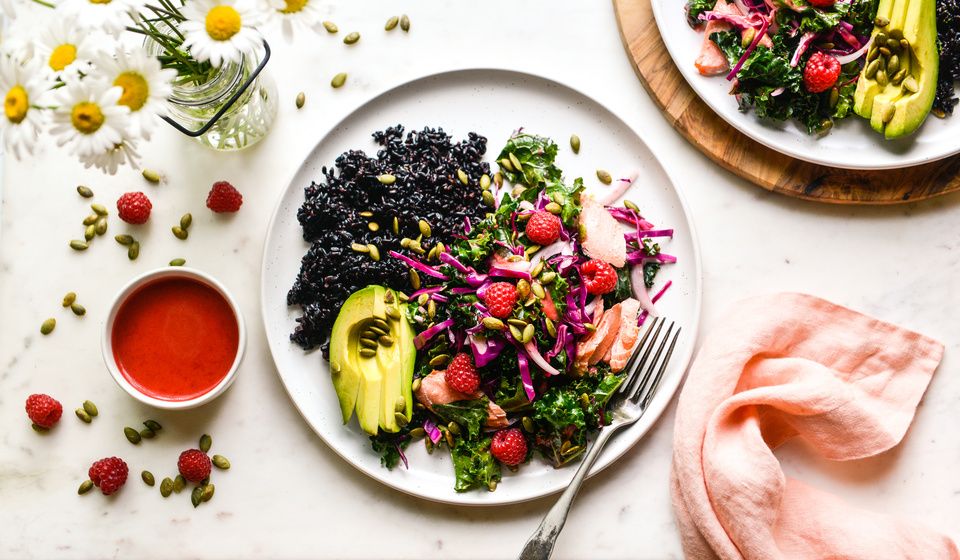
DETOX SALMON RASPBERRY SALAD WITH BLACK RICE MEAL-1
Nov 30, 2025

What Does a Cortisol-Balancing Diet Look Like?

A cortisol-balancing way of eating isn’t about special foods or strict rules. It begins by removing foods that drive inflammation or immune reactions, prioritizing anti-inflammatory nourishment, and balancing blood sugar throughout the day. From there, it’s about how meals are structured and spaced so the body doesn’t have to compensate with stress hormones. Cortisol responds best to predictable nourishment. When meals are skipped, overly restrictive, or overly sugary, the body fills the gap by releasing cortisol to maintain blood sugar and energy. When meals are balanced and consistent, cortisol can rise and fall naturally—supporting steadier energy, calmer moods, deeper sleep, and overall resilience.

Read More
BEESWAX CANDLE DIGESTION DINNER
Nov 11, 2025

How Nervous System Dysregulation Affects Digestion

If digestion feels unpredictable—bloating one day, discomfort the next, reactions to foods that should be fine—it’s easy to assume the problem is the food. However, digestion doesn’t begin in the stomach. It begins in the nervous system. Digestion is a parasympathetic process. When the body feels safe, relaxed, and supported, digestive secretions flow, motility is coordinated, and nutrients are absorbed efficiently. When the nervous system is under stress—whether from inflammation, blood sugar instability, poor sleep, or ongoing emotional or relational strain—digestion downshifts in favor of survival. You can’t digest well while running from a lion.

Read More
STRAWBERRIES AND CHAMOMILE-2
Nov 03, 2025

How to Balance Cortisol With Diet

Cortisol often gets labeled as a “stress hormone,” but in a healthy body, cortisol is not the enemy. It’s a guiding hormone. One that helps regulate energy, blood sugar, inflammation, blood pressure, and the sleep–wake cycle. When cortisol follows its natural daily rhythm, mornings feel alert, energy stays steady, and sleep becomes deep and restorative. When the rhythm is disrupted, the body can feel wired at the wrong times and tired when energy is needed. The good news is that cortisol rhythm responds quickly to daily habits—how you eat, sleep, move, manage stress, and expose yourself to light. Small, consistent changes can help bring this rhythm back into balance.

Read More
ALARM CLOCK SLEEP INFLAMMATION
Oct 01, 2025

How Food Sensitivities Affect Sleep

Food sensitivities can contribute to chronic inflammation, which disrupts the communication between your gut, immune system, and brain, Over time, this ongoing inflammation can affect everything from your mood to your sleep to your overall well-being. Unlike a food allergy, which triggers an immediate and sometimes severe immune reaction, a food sensitivity creates a slower, more subtle inflammatory response. Certain foods—often ones eaten regularly—can irritate the intestinal lining, increase immune signaling, and release cytokines that circulate through the body and brain. The effects may appear hours or even days after eating, showing up as fatigue, joint pain, skin issues, anxiety, or poor sleep.

Read More
MOROCCAN LAMB AND GREENS WITH LEMON TAHINI DRIZZLE-11
Aug 09, 2025

Moroccan Lamb and Greens with Lemon-Tahini Drizzle

When you are running low, feeling inflamed, and dealing with a health condition—or simply wanting to change your diet to eat more nutrient-dense foods—you may not have the time or energy to cook anything elaborate. In fact, when you’re under the constant pressure of inflammation, autoimmunity, or even chronic stress, it can be very difficult to consistently prepare nourishing meals for yourself. But ironically, this is when your body needs them the most. Meals during this time need to be simple and nutrient-rich. Returning to balanced, nourishing food—day after day—slowly helps bring your body back into alignment. Lamb is particularly rich in iron, zinc, selenium, and vitamins B12, B2, and B3—fueling methylation pathways, mitochondria, and hundreds of biochemical reactions involved in detoxification, energy, and nervous system health.

Read More
EAT THE RAINBOW FOR GUT HEALTH-1
Jul 28, 2025

Why Diet Diversity Is the Key to a Resilient Gut and Lasting Health

Eating a wide variety of whole foods can calm inflammation, rebalance the gut, and liberate your healing journey. A diverse microbiome—a thriving ecosystem of beneficial microbes that live in and on your body—is foundational to gut health. It helps prevent the overgrowth of yeast and opportunistic pathogens, supports gut barrier integrity, and reduces inflammation by producing short-chain fatty acids like butyrate. It also generates compounds that influence mood, hormone metabolism, detoxification, and immune regulation—linking gut health to nearly every system in the body. Microbes love variety. They thrive on colorful plant foods, bitter greens, resistant starches, and prebiotic fibers. When your diet is narrow and repetitive, your microbiome begins to reflect that. You lose diversity, and with it, resilience.

Read More