The Top 14 Anti-Inflammatory Foods
Ali Segersten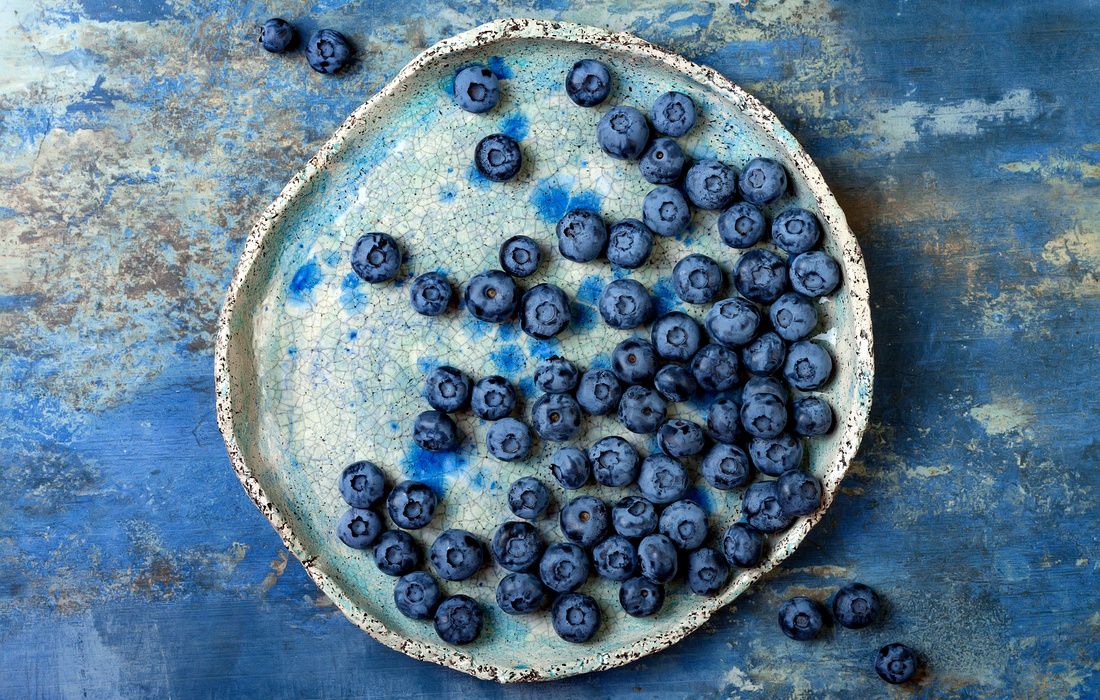
Inflammation is regulated through specific biological pathways, many of which are directly influenced by the nutrients and phytochemicals we consume.
Polyphenols influence the molecular switches that turn inflammatory genes up or down. Omega-3 fats influence cell membrane composition and the body’s production of compounds that help resolve inflammation. Fermentable fibers shape microbial metabolites that support immune balance. Antioxidants and flavonoids help buffer oxidative stress at the cellular level.
Human intervention studies consistently show that when these compounds are consumed regularly, measurable changes occur—including reductions in circulating endotoxin (LPS), improvements in gut barrier integrity, lower oxidative stress, and shifts in inflammatory gene expression.
Below are 14 of the most well-studied anti-inflammatory foods, each supported by human clinical research, that you can begin layering into meals your regularly.
1. Berries
blueberries, huckleberries, raspberries, blackberries, strawberries, cranberries
Berries are concentrated sources of anthocyanins and polyphenols that influence vascular health, lipid metabolism, and gut microbial composition.
In human trials, regular berry intake improves endothelial function and reduces oxidative stress. Importantly, the SINFONI study demonstrated that polyphenol-rich dietary patterns reduced intestinal inflammation (measured by fecal calprotectin) and lowered fasting LPS—a marker of metabolic endotoxemia. This suggests berry polyphenols help regulate gut-derived inflammatory signaling at its source.
More recent clinical research strengthens this picture.
A 2025 study in infants found that daily blueberry consumption during complementary feeding improved the resolution of allergy-related symptoms and favorably shifted immune biomarkers. Infants consuming blueberries showed reductions in IL-13 (a cytokine associated with allergic inflammation) and increases in IL-10, a regulatory cytokine that supports immune tolerance. These changes were also associated with shifts in gut bacteria involved in short-chain fatty acid production and immune regulation.
In adults with prediabetes, a 2025 study published in The Journal of Nutrition found that consuming approximately 2.5 servings of strawberries daily for 12 weeks significantly improved:
- Fasting glucose
- Insulin levels and insulin resistance
- Hemoglobin A1c
- Total cholesterol
- High-sensitivity CRP
- Interleukin-6
Participants also experienced modest weight reductions.
Because blood sugar dysregulation increases oxidative stress and inflammatory signaling, foods that improve insulin sensitivity naturally lower inflammatory burden over time.
Important note: Berries consistently rank among the most pesticide-exposed fruits, therefore, choosing organic when possible may help reduce additional inflammatory load, particularly for children.
Why they matter:
- Lower circulating LPS and intestinal inflammation
- Improve insulin sensitivity and metabolic signaling
- Increase regulatory immune activity (IL-10)
- Support beneficial gut microbes and SCFA production
- Reduce oxidative and inflammatory cytokine activity
Recipes:
- Red Antioxidant Smoothie
- Raw Cranberry Sauce
- Berry Cherry Green Smoothie
- Simple Strawberry Vinaigrette
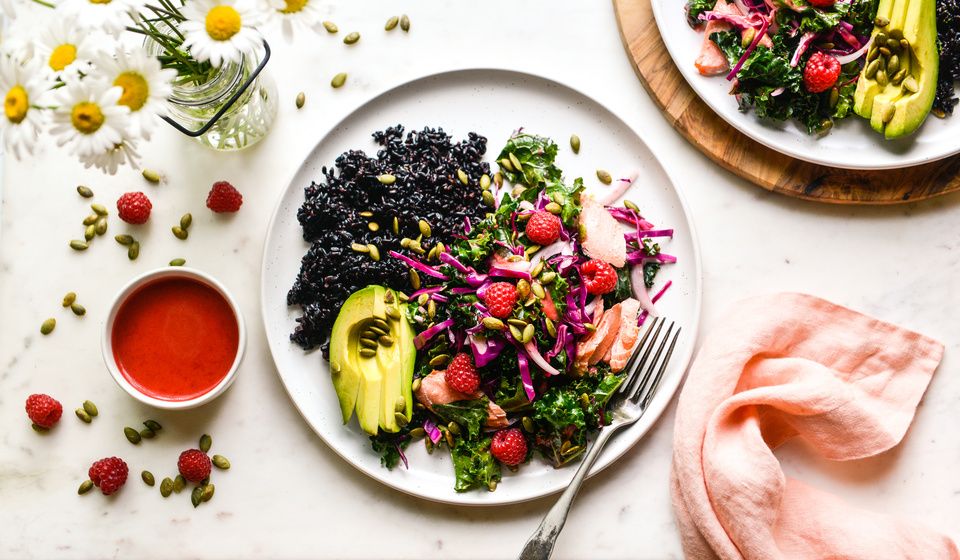
- Strawberry Salad with Candied Pumpkin Seeds
- Raw Berry Tart with a Coconut Pastry Cream
- Wild Blueberry Flax Muffins
2. Cruciferous Vegetables
broccoli, cabbage, cauliflower, brussels sprouts, radishes, arugula, watercress, kale, collards
Cruciferous vegetables contain glucosinolates that convert into bioactive compounds such as sulforaphane and indole-3-carbinol when chopped or chewed.
Sulforaphane activates Nrf2—a master regulator of antioxidant and detoxification genes—helping cells restore redox balance rather than simply suppress inflammation. Human intervention studies using glucoraphanin-rich broccoli show reductions in oxidative and inflammatory gene expression over time.
Beyond gene regulation, cruciferous vegetables appear to support intestinal integrity. Emerging research suggests they help maintain tight junction function, reinforcing the barrier that regulates what crosses from the gut lumen into immune and systemic circulation.
In a controlled feeding randomized crossover study, adding broccoli (with a small amount of raw daikon radish) altered gut microbiota composition and influenced the metabolic functions those bacteria are known to carry out, suggesting that cruciferous vegetables can significantly shift microbial activity in humans.
Why they matter:
- Activate Nrf2 antioxidant pathways
- Improve detoxification enzyme activity
- Support gut barrier integrity and redox balance (the balance between reactive oxygen species and antioxidant defenses)
Recipes:
- Cruciferous Detox Slaw
- Winter Salad with Fennel and a Blood Orange Vinaigrette
- Vegetable Panang Curry
- Zippy Kale Salad with Fennel, Sweet Onion, and Goji Berries
- Cherry Detox Smoothie
- Raw Thai Kale Slaw with a Creamy Ginger-Almond Butter Dressing
- Nasturtium and Kohlrabi Salad with Creamy Lemon-Dill Dressing
- Post-Holiday Detox Salad
- Raw Kale Avocado Salad
- Autumn Detox Salad with Creamy Ginger-Cilantro Dressing
- Green Kale Detox Soup
- Raw Thai Wraps with Cilantro-Pumpkin Seed Pâté and a Dipping Sauce
- Healing Quinoa Cabbage Soup
3. Leafy Green Vegetables
kale, chard, arugula, lettuces, bok choy, mustard greens
Leafy greens are foundational because they deliver fiber, magnesium, potassium, folate, carotenoids, nitrates, and diverse polyphenols.
Higher vegetable intake is consistently associated with lower CRP and improved oxidative balance. Magnesium is essential for ATP production and helps buffer stress-induced inflammatory signaling, while dietary nitrates support vascular tone and mitochondrial efficiency.
In a systematic review of clinical trials on “functional foods” and inflammation, vegetable-forward eating patterns consistently show the most reliable anti-inflammatory signal overall, especially in metabolic conditions.
Why they matter:
- Support antioxidant defenses
- Improve mitochondrial and vascular function
- Help regulate inflammatory and metabolic signaling
Recipes:
- Beet, Pear, and Almond Salad
- Kale with Caramelized Onions
- Grated Beet & Carrot Salad with Radish-Miso Dressing
- Healthy Rainbow Vegetable Salad with Turmeric Roasted Chickpeas
- Autumn Detox Salad with Creamy Ginger-Cilantro Dressing
- Chicken Fajita Salad with Spicy Avocado Dressing
- Raw Super Green Salad
- Asian Chicken Salad with a Soy-Free Dressing
4. Fatty Fish
salmon, sardines, mackerel, black cod, halibut, ling cod
Fatty fish provide the long-chain omega-3 fats EPA (eicosapentaenoic acid) and DHA (docosahexaenoic acid). These fats are incorporated into cell membranes and influence how inflammatory signals are generated.
These fats allow the body to produce specialized pro-resolving mediators (SPMs)—including resolvins and protectins—which help bring inflammation to completion rather than allowing it to persist.
In a 12-week randomized controlled trial published in Neuropsychopharmacology, adults with major depressive disorder and elevated inflammatory markers were given EPA supplementation. The highest dose (4 grams per day) produced greater symptom improvement compared to placebo. Importantly, clinical improvement was associated with higher blood levels of 18-HEPE—a precursor to pro-resolving lipid mediators—and with reductions in high-sensitivity CRP. In simple terms, when the body increased its production of pro-resolving molecules derived from EPA, both systemic inflammation and symptoms improved.
Beyond omega-3 fats, wild salmon contains astaxanthin—a lipid-soluble carotenoid that integrates into cell membranes and protects them from oxidative damage. Clinical trials demonstrate that astaxanthin increases total antioxidant capacity, reduces lipid peroxidation, and lowers inflammatory cytokines such as IL-1β and TNF-α.
Consuming fatty fish regularly provides these nutrients in their whole-food context. For individuals who do not eat fish consistently, high-quality EPA-rich fish oil supplementation may help support similar anti-inflammatory and pro-resolving pathways.
Why they matter:
- Generate pro-resolving mediators (resolvins, protectins)
- Help complete the inflammatory response
- Reduce triglyceride-driven inflammation
- Protect cell membranes from oxidative damage
- Lower systemic inflammatory markers
Recipes:
- Easy Sheet Pan Salmon with Garden Vegetables
- Quinoa-Salmon Burgers (gluten-free + egg-free)
- Halibut and Potato Chowder
- 15-Minute Poached Salmon
- Salmon Puttanesca
5. Pomegranate
whole seeds (arils) or juice in moderation
Pomegranate has one of the strongest human research profiles among fruits.
It is rich in ellagitannins and other polyphenols that are transformed by gut microbes into bioactive compounds called urolithins. These metabolites have been associated with improved mitochondrial function, enhanced cellular signaling, and reduced inflammatory activity.
Randomized controlled trials and meta-analyses show reductions in high-sensitivity CRP (hs-CRP), improvements in HDL cholesterol, and decreases in oxidative stress markers with regular intake.
In a 12-week randomized, placebo-controlled trial in patients with inflammatory bowel disease in remission, daily pomegranate juice significantly reduced fecal calprotectin—a marker of intestinal inflammation—and lowered circulating endotoxin levels. Researchers also observed changes in gene activity related to immune function in the gut lining and the integrity of the intestinal barrier.
These findings suggest that pomegranate polyphenols may help regulate inflammation at the level of the gut barrier, rather than only lowering systemic markers. Because low-grade endotoxin exposure and intestinal inflammation contribute to chronic immune activation, foods that calm inflammation at its source can have broader downstream effects.
Why it matters:
- Reduces intestinal inflammation (fecal calprotectin)
- Lowers circulating endotoxin burden
- Modulates genes involved in mucosal immunity
- Supports barrier function and mitochondrial resilience
- Improves lipid balance (HDL)
- Reduces systemic inflammatory markers (hs-CRP)
Recipes:
- Pear Pomegranate Salad with Orange Vinaigrette
- Blanched Kale Salad with Pomegranate and Green Apple Dressing
- Post-Holiday Detox Salad
- Morning Winter Fruit Bowls with Hemp Seeds and Cacao Nibs
6. Citrus Fruits
oranges, grapefruit, lemons, limes, mandarins
Citrus fruits supply vitamin C and flavonoids such as hesperidin, naringin, and naringenin—compounds that help regulate immune activity and oxidative stress.
Naringenin, a flavonoid abundant in citrus, has been studied for its immunomodulatory effects. A 2022 systematic review and meta-analysis of autoimmune disease models found that naringenin significantly reduced key inflammatory signaling molecules—including NF-κB, TNF-α, IL-6, and IL-1β—while also increasing antioxidant enzymes such as glutathione and catalase. In practical terms, it helped lower inflammatory drivers while strengthening the body’s internal antioxidant defense systems.
In a 12-week randomized controlled trial of people with type 2 diabetes following a Mediterranean diet, researchers found that citrus bioflavonoids in the bloodstream increased by 39 to 60%, while levels of IL-6—a pro-inflammatory cytokine—dropped by nearly 50%. An oxidative stress marker (8-OHdG), which reflects DNA damage from free radicals, also declined. These changes were not observed during the participants’ usual diet phase.
This is important because IL-6 is involved in insulin resistance and chronic metabolic inflammation. When citrus bioflavonoids rise in circulation, inflammatory signaling appears to decrease.
Vitamin C itself also regenerates antioxidant compounds inside cells and supports immune resilience.
Why they matter:
- Increase circulating anti-inflammatory bioflavonoids
- Reduce IL-6 and inflammatory signaling
- Strengthen antioxidant enzyme systems
- Support vascular and metabolic health
Recipes:
- Citrus Ginger Immunity Shots
- Orange Creamsicle Smoothie
- Berry Cherry Green Smoothie
- Zippy Kale Salad with Fennel, Sweet Onion, and Goji Berries
- Winter Salad with Fennel and a Blood Orange Vinaigrette
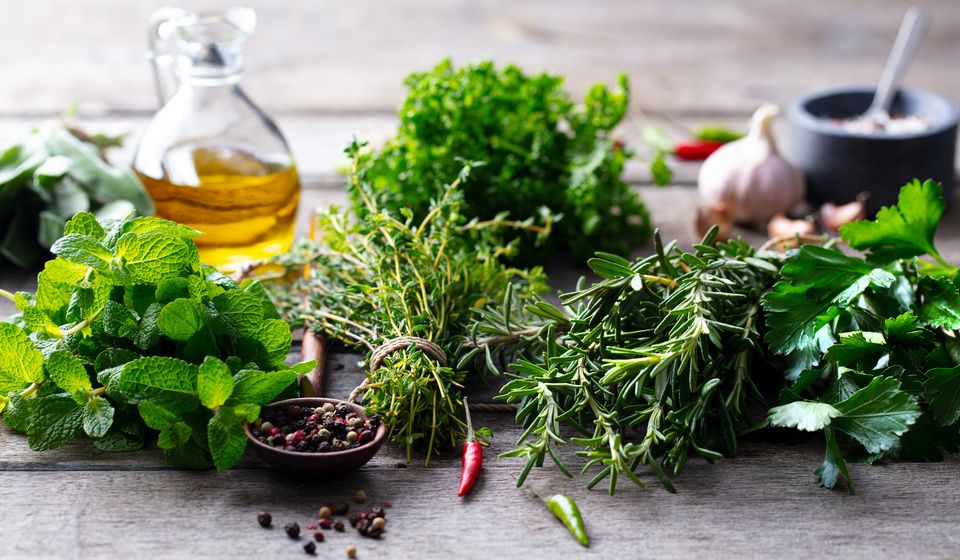
7. Fresh Herbs
parsley, cilantro, rosemary, oregano, thyme, basil
Fresh herbs are among the most concentrated sources of polyphenols and volatile oils in the diet.
Compounds in rosemary, oregano, and thyme have been shown to down-regulate inflammatory cytokines such as TNF-α and IL-6 while supporting antioxidant enzyme systems. Many culinary herbs also exhibit selective antimicrobial activity against opportunistic bacteria while helping preserve overall microbial diversity—an important balance for gut and immune regulation.
Large-scale reviews mapping functional foods and inflammatory pathways consistently identify polyphenol-rich plant foods, including culinary herbs and spices, as modulators of inflammatory mediators. These compounds influence signaling pathways such as NF-κB and Nrf2, helping to fine-tune immune responses.
Used regularly, even small amounts of herbs create a cumulative “layering effect,” steadily increasing polyphenol exposure over time.
Why they matter:
- Deliver concentrated polyphenols in small servings
- Modulate inflammatory signaling pathways
- Support antioxidant and detoxification systems
- Help maintain microbial balance
Recipes:
- Roasted Root Vegetables with Parsley Pesto
- Raw Pumpkin Seed Pesto
- Fresh Nettle Pesto (dairy-free)
- Raw Cilantro Lime Chutney
- Grilled Thai Red Curry Chicken Salad
- Everyday Salad Dressing
8. Green Tea
matcha, green tea, or catechin-rich extracts
Green tea is rich in catechins, particularly epigallocatechin gallate (EGCG), which influence inflammatory signaling and antioxidant defenses at the cellular level.
Human research increasingly supports its role in gut barrier integrity and metabolic regulation. In a randomized, double-blind, placebo-controlled crossover trial, a catechin-rich green tea extract administered for four weeks significantly reduced circulating endotoxin (lipopolysaccharide, LPS) in both healthy adults and individuals with metabolic syndrome. The intervention also lowered fecal calprotectin and improved measures of small intestinal permeability, while reducing fasting glucose. These findings suggest that green tea may reduce inflammatory load by strengthening the gut barrier and limiting endotoxin translocation.
At a broader metabolic level, a large dose-response meta-analysis of randomized controlled trials found that green tea extract supplementation reduced body mass, body fat percentage, and malondialdehyde (a marker of oxidative stress), while increasing total antioxidant capacity and adiponectin—a hormone that supports insulin sensitivity and metabolic balance.
These findings indicate that green tea appears to influence upstream drivers of inflammation—including oxidative stress, adipokine balance, and gut barrier function—thereby supporting more regulated inflammatory signaling over time.
Why it matters:
- Reduces circulating endotoxin (LPS)
- Improves gut barrier function
- Lowers oxidative stress markers
- Increases total antioxidant capacity
- Supports insulin sensitivity (adiponectin)
- Improves metabolic resilience
Recipes:
9. Turmeric
whole fresh root, powdered spice, or standardized extracts
Curcumin inhibits NF-κB—a key regulator of inflammatory cytokine production—while activating Nrf2, which upregulates the body’s antioxidant defense systems. In simple terms, it helps reduce inflammatory signaling while strengthening the cell’s own protective pathways.
Human trials consistently show reductions in CRP, TNF-α, and IL-6, particularly in cardiometabolic conditions and chronic low-grade inflammation. In a 12-week randomized, double-blind, placebo-controlled study in adults with overweight, Curcuma longa extract significantly reduced CRP and improved measures of wellbeing. Additional trials in inflammatory and pain-related conditions show similar reductions in pro-inflammatory biomarkers.
Emerging evidence also supports curcumin’s role in maintaining intestinal barrier integrity and improving oxidative balance, including reductions in lipid peroxidation in clinical populations.
Whole turmeric provides synergistic compounds beyond isolated extracts, making culinary use a meaningful way to incorporate these benefits.
Why it matters:
- Inhibits NF-κB–driven inflammatory cytokines
- Activates Nrf2 antioxidant pathways
- Reduces CRP, TNF-α, and IL-6
- Supports gut barrier and redox balance
Recipes:
- Healing Turmeric Broth
- Fresh Vegetable Curry
- Healthy Rainbow Vegetable Salad with Turmeric Roasted Chickpeas
- Citrus-Ginger Immunity Shots
10. Ginger
fresh root or standardized extracts
Ginger contains bioactive compounds such as gingerols and shogaols that influence inflammatory mediators through COX and LOX pathway modulation, helping reduce pro-inflammatory eicosanoids.
It also supports digestive physiology. Ginger has been shown to enhance gastric motility and promote more efficient gastric emptying in some studies. This is relevant because sluggish digestion can increase microbial fermentation and endotoxin exposure in susceptible individuals, amplifying inflammatory signaling from the gut.
Clinical evidence is robust. A systematic review and meta-analysis of randomized controlled trials found that ginger supplementation significantly reduced CRP, TNF-α, IL-6, and malondialdehyde, while increasing total antioxidant capacity. More recent randomized trials in individuals with joint pain demonstrated improvements in inflammatory biomarkers and functional outcomes following daily ginger supplementation.
Cellular research further suggests that ginger-derived compounds may help preserve tight junction integrity under inflammatory stress, reinforcing barrier resilience.
Together, these findings position ginger as both an anti-inflammatory and gut-supportive botanical.
Why it matters:
- Reduces pro-inflammatory cytokines (CRP, TNF-α, IL-6)
- Lowers oxidative stress markers
- Supports digestive motility and resilience
- Helps maintain intestinal barrier integrity
Recipes:
- Super Immune-Boosting Chicken Soup
- Anti-Inflammatory Ginger Coconut Turkey Soup
- Healing Chicken Ginger Soup
- Soothing Red Lentil Soup
- Raw Thai Kale Slaw with a Creamy Ginger-Almond Butter Dressing
- Peach Ginger Mint Green Smoothie
- Tummy Comfort Tea
- Dandelion Root Chai Tea
11. Avocado
whole fruit, ideally paired with other whole foods
Avocados provide monounsaturated fats (primarily oleic acid), fiber, potassium, magnesium, and carotenoids—nutrients that influence inflammatory signaling through membrane composition, glycemic regulation, and gut-derived pathways.
Cell membranes are composed of a phospholipid bilayer. The types of fats we consume become incorporated into that structure, affecting membrane fluidity and receptor signaling. The fatty acid composition of cell membranes influences receptor signaling and the balance of pro- and anti-inflammatory compounds the body generates, making fat quality an important determinant of inflammatory tone.
Human clinical research shows that meals including avocado improve postprandial lipid profiles and reduce markers of oxidative stress compared to meals rich in refined carbohydrates or saturated fats. Diets higher in monounsaturated fats are consistently associated with lower inflammatory markers and improved metabolic regulation.
Avocado’s fiber also supports short-chain fatty acid (SCFA) production, reinforcing gut barrier integrity and microbial balance.
Why it matters:
- Improves membrane fluidity and cellular signaling
- Reduces postprandial oxidative stress
- Supports glycemic stability
- Provides fermentable fiber for SCFA production
Recipes:
- Avocado Fudgesicles
- Spicy Slow Cooked Beef Stuffed Sweet Potatoes with Avocado-Cilantro Cream
- Red Antioxidant Smoothie
- Morning Winter Fruit Bowls with Hemp Seeds and Cacao Nibs
- Nori Rolls with Sticky Brown Rice
- Chicken Fajita Salad with Spicy Avocado Dressing
12. Extra Virgin Olive Oil
Unrefined, cold-pressed
Extra virgin olive oil is rich in oleic acid, a monounsaturated fat that incorporates into cell membranes and supports stable receptor signaling. It also contains polyphenols such as hydroxytyrosol and oleocanthal that influence oxidative and inflammatory pathways.
In randomized controlled trials, higher-polyphenol extra virgin olive oil has been shown to reduce oxidative stress after meals and decrease circulating adhesion molecules such as sVCAM-1—markers of inflammation within blood vessels. Large Mediterranean diet trials consistently demonstrate that olive oil-rich dietary patterns are associated with lower IL-6 and CRP levels, improved HDL function, and reductions in oxidized LDL.
This matters because repeated post-meal inflammatory responses contribute to long-term cardiometabolic stress. By improving fat quality and delivering antioxidant polyphenols, extra virgin olive oil supports membrane stability, vascular function, and inflammatory regulation.
Why it matters:
- Provides stable monounsaturated fats (oleic acid)
- Reduces postprandial oxidative stress
- Lowers endothelial adhesion molecules
- Supports vascular and metabolic resilience
Recipes:
- Everyday Salad Dressing
- Creamy Herbed Sunflower Seed Dressing or Dip (dairy-free + nut-free + paleo)
- Fig-Balsamic Vinaigrette
- Cinnamon-Sunflower Truffles
- Buckwheat Chocolate Cake (gluten-free, egg-free, dairy-free)
13. Legumes
lentils, chickpeas, black beans, pinto beans, split peas, mung beans, adzuki beans
Legumes are one of the most reliable dietary sources of fermentable fiber and resistant starch, substrates that feed beneficial gut microbes. When these fibers are fermented in the colon, they produce short-chain fatty acids (SCFAs), particularly butyrate.
Butyrate serves as a primary fuel source for colon cells and plays a direct role in strengthening the intestinal barrier. It also influences regulatory T cells (Tregs), which help calibrate immune responses and prevent excessive inflammatory signaling. By supporting barrier integrity and immune regulation, SCFAs reduce the translocation of lipopolysaccharide (LPS), a bacterial endotoxin that contributes to low-grade metabolic inflammation.
Human clinical trials consistently show that regular legume consumption improves glycemic control, lowers LDL cholesterol, and reduces markers of systemic inflammation, including CRP. Meta-analyses of randomized controlled trials have demonstrated modest but significant reductions in fasting glucose, insulin resistance, and inflammatory biomarkers when legumes are consumed regularly in place of refined carbohydrates.
Beyond fiber, legumes also provide magnesium, polyphenols, and plant protein—nutrients that further support metabolic resilience and oxidative balance.
Why they matter:
- Increase short-chain fatty acid production
- Strengthen gut barrier integrity
- Improve insulin sensitivity and lipid balance
- Reduce metabolic endotoxemia
Recipes:
- How to Make Classic Hummus
- Soothing Red Lentil Soup
- Chipotle Black Bean and Yam Stew
- Spicy Black-Eyed Pea Soup
- Harvest Vegetable Soup
- Slow Cooked Mung Beans and Rice With Indian Spices and Caramelized Onions
- Adzuki Bean & Yam Hash
- Butternut Squash, Kale, & White Bean Soup
- Spicy Summer Black Bean Salad
14. Nuts & Seeds
almonds, walnuts, hazelnuts, pistachios, chia seeds, flaxseeds, sesame seeds, pumpkin seeds, hemp seeds
Nuts and seeds provide a concentrated combination of unsaturated fats, fiber, magnesium, polyphenols, and plant-based omega-3 fatty acids such as ALA. Together, these nutrients influence inflammatory tone through multiple pathways—membrane composition, glycemic regulation, and gut-derived signaling.
Cell membranes are composed of a phospholipid bilayer. The types of fats we consume become incorporated into that structure, influencing membrane fluidity and receptor responsiveness. A higher proportion of unsaturated fats supports balanced cellular signaling, while fiber from nuts and seeds feeds short-chain fatty acid production in the colon—compounds that strengthen barrier function and help regulate immune activity.
Human trials reinforce these mechanisms:
- In adults with metabolic syndrome, daily almond consumption for 12 weeks lowered LDL cholesterol and improved markers of gut barrier function and intestinal inflammation.
- An umbrella review of randomized controlled trials found chia seed supplementation modestly reduced blood pressure, LDL cholesterol, triglycerides, and CRP.
- In a clinical trial of individuals with non-alcoholic fatty liver disease, 25g/day of milled chia increased plasma ALA and reduced visceral abdominal fat.
- In a randomized crossover study, adding 65g of pumpkin seeds to a high-carbohydrate meal reduced postprandial glucose exposure by approximately 35%, demonstrating a meaningful acute effect on glycemic regulation.
These findings suggest that nuts and seeds support healthier blood sugar responses, balanced cell membrane structure, improved vascular function, and stronger gut barrier integrity.
Why they matter:
- Improve lipid balance and endothelial function
- Support balanced membrane signaling
- Enhance glycemic regulation after meals
- Increase short-chain fatty acid production
- Reduce metabolic endotoxemia over time
Recipes:
- Cinnamon-Sunflower Truffles
- Raw Thai Wraps with Cilantro-Pumpkin Seed Pâté and a Dipping Sauce
- Strawberry Salad with Candied Pumpkin Seeds
- Homemade Hemp Milk (nut-free)
- Creamed Kale (dairy-free)
- Strawberry-Almond Smoothie (dairy-free)
- Orange Creamsicle Smoothie
- Chocolate Walnut Brownies (grain-free)
- Almond Goji Berry Truffles (refined sugar-free)
- Banana Coconut Cookies (grain-free, sugar-free, vegan)
- Banana Almond Butter Muffins (gluten-free, grain-free, dairy-free)
Build the Pattern. Shift the Signal.
Inflammation shifts in response to what you practice consistently.
The oil you choose.
The greens you add.
The fiber you include.
The berries you enjoy for dessert.
The handful of raw nuts you reach for in the afternoon.
The fresh herbs you sprinkle onto your meals.
The meals you return to again and again.
These daily rhythms shape your blood sugar response, your gut barrier, your cell membranes, and your immune signaling. Over time, your biology adapts to the nourishment it receives most often.
Small choices, layered day after day, create significant biochemical changes.
If you’d like gentle structure and practical support putting this into motion—with thoughtfully designed meal plans, therapeutic diet options, and over 2,000 nutrient-dense recipes—I invite you to explore Nourishing Meals®.
References:
Alimohammadi, M., Mohammad, R. N., Rahimi, A., Faramarzi, F., Alizadeh-Navaei, R., & Rafiei, A. (2022). The effect of immunomodulatory properties of naringenin on the inhibition of inflammation and oxidative stress in autoimmune disease models: a systematic review and meta-analysis of preclinical evidence. Inflammation research : official journal of the European Histamine Research Society ... [et al.], 71(10-11), 1127–1142. https://doi.org/10.1007/s00011-022-01599-7
Al-Aubaidy, H. A., Dayan, A., Deseo, M. A., Itsiopoulos, C., Jamil, D., Hadi, N. R., & Thomas, C. J. (2021). Twelve-Week Mediterranean Diet Intervention Increases Citrus Bioflavonoid Levels and Reduces Inflammation in People with Type 2 Diabetes Mellitus. Nutrients, 13(4), 1133. https://doi.org/10.3390/nu13041133
Al-Younis, Z. K., Al-Shawi, S. G., Kareem, A. K., Rab, S. O., Jyothi S, R., Mishra, S., Chauhan, A. S., Singh, U., Hossen, A., & Ahmed, A. M. (2025). A Critical Review of the Health Benefits Associated with Chia Seeds (Salvia Hispanica L.). Plant foods for human nutrition (Dordrecht, Netherlands), 80(4), 170. https://doi.org/10.1007/s11130-025-01401-z
Asbaghi, O., Rezaei Kelishadi, M., Larky, D. A., Bagheri, R., Amirani, N., Goudarzi, K., Kargar, F., Ghanavati, M., & Zamani, M. (2024). The effects of green tea extract supplementation on body composition, obesity-related hormones and oxidative stress markers: a grade-assessed systematic review and dose-response meta-analysis of randomised controlled trials. The British journal of nutrition, 131(7), 1125–1157. https://doi.org/10.1017/S000711452300260X
Beaver, L. M., Leonard, S. W., Uesugi, S. L., Wong, C. P., Lytle, L. M., Vasudevan, A., Papenhausen, E. M., Jupudi, Y., Bella, D., Bobe, G., Traber, M. G., & Ho, E. (2025). Beneficial changes in total cholesterol, LDL-C, biomarkers of intestinal inflammation, and vitamin E status in adults with metabolic syndrome consuming almonds as snack foods: a randomized controlled clinical trial. Nutrition research (New York, N.Y.), 139, 50–65. https://doi.org/10.1016/j.nutres.2025.04.011
Broeckel, J., Estes, L., Leonard, M., Dickerson, B. L., Gonzalez, D. E., Purpura, M., Jäger, R., Sowinski, R. J., Rasmussen, C. J., & Kreider, R. B. (2025). Effects of Ginger Supplementation on Markers of Inflammation and Functional Capacity in Individuals with Mild to Moderate Joint Pain. Nutrients, 17(14), 2365. https://doi.org/10.3390/nu17142365
Cândido, F. G., de Oliveira, F. C. E., Lima, M. F. C., Pinto, C. A., da Silva, L. L., Martino, H. S. D., Dos Santos, M. H., & Alfenas, R. C. G. (2018). Addition of pooled pumpkin seed to mixed meals reduced postprandial glycemia: a randomized placebo-controlled clinical trial. Nutrition research (New York, N.Y.), 56, 90–97. https://doi.org/10.1016/j.nutres.2018.04.015
Connolly, E. L., Liu, A. H., Woodman, R. J., Shafaei, A., Wood, L. G., Mithen, R., James, A. P., Schultz, C. J., Gan, S. K., Bondonno, C. P., Lewis, J. R., Hodgson, J. M., & Blekkenhorst, L. C. (2025). Cruciferous vegetables improve glycaemic control compared to root/squash vegetables in a randomized, controlled, crossover trial: The VEgetableS for vaScular hEaLth (VESSEL) study. Diabetes, obesity & metabolism, 27(8), 4300–4310. https://doi.org/10.1111/dom.16467
Covas, M. I., Nyyssönen, K., Poulsen, H. E., Kaikkonen, J., Zunft, H. J., Kiesewetter, H., Gaddi, A., de la Torre, R., Mursu, J., Bäumler, H., Nascetti, S., Salonen, J. T., Fitó, M., Virtanen, J., Marrugat, J., & EUROLIVE Study Group (2006). The effect of polyphenols in olive oil on heart disease risk factors: a randomized trial. Annals of internal medicine, 145(5), 333–341. https://doi.org/10.7326/0003-4819-145-5-200609050-00006
Dehzad, M. J., Ghalandari, H., Nouri, M., Makhtoomi, M., & Askarpour, M. (2025). Effects of green tea supplementation on antioxidant status and inflammatory markers in adults: a grade-assessed systematic review and dose-response meta-analysis of randomised controlled trials. Journal of nutritional science, 14, e25. https://doi.org/10.1017/jns.2025.13
Estruch, R., Ros, E., Salas-Salvadó, J., Covas, M. I., Corella, D., Arós, F., Gómez-Gracia, E., Ruiz-Gutiérrez, V., Fiol, M., Lapetra, J., Lamuela-Raventos, R. M., Serra-Majem, L., Pintó, X., Basora, J., Muñoz, M. A., Sorlí, J. V., Martínez, J. A., Fitó, M., Gea, A., Hernán, M. A., … PREDIMED Study Investigators (2018). Primary Prevention of Cardiovascular Disease with a Mediterranean Diet Supplemented with Extra-Virgin Olive Oil or Nuts. The New England journal of medicine, 378(25), e34. https://doi.org/10.1056/NEJMoa1800389
Hornero-Ramirez, H., Morisette, A., Marcotte, B., Penhoat, A., Lecomte, B., Panthu, B., Lessard Lord, J., Thirion, F., Van-Den-Berghe, L., Blond, E., Simon, C., Caussy, C., Feugier, N., Doré, J., Sanoner, P., Meynier, A., Desjardins, Y., Pilon, G., Marette, A., Cani, P. D., … Nazare, J. A. (2025). Multifunctional dietary approach reduces intestinal inflammation in relation with changes in gut microbiota composition in subjects at cardiometabolic risk: the SINFONI project. Gut microbes, 17(1), 2438823. https://doi.org/10.1080/19490976.2024.2438823
Jalali, M., Mahmoodi, M., Moosavian, S. P., Jalali, R., Ferns, G., Mosallanezhad, A., Imanieh, M. H., & Mosallanezhad, Z. (2020). The effects of ginger supplementation on markers of inflammatory and oxidative stress: A systematic review and meta-analysis of clinical trials. Phytotherapy research : PTR, 34(8), 1723–1733. https://doi.org/10.1002/ptr.6638
Lamon-Fava, S., Liu, M., Dunlop, B. W., Kinkead, B., Schettler, P. J., Felger, J. C., Ziegler, T. R., Fava, M., Mischoulon, D., & Rapaport, M. H. (2023). Clinical response to EPA supplementation in patients with major depressive disorder is associated with higher plasma concentrations of pro-resolving lipid mediators. Neuropsychopharmacology : official publication of the American College of Neuropsychopharmacology, 48(6), 929–935. https://doi.org/10.1038/s41386-022-01527-7
Li, Z., Wong, A., Henning, S. M., Zhang, Y., Jones, A., Zerlin, A., Thames, G., Bowerman, S., Tseng, C. H., & Heber, D. (2013). Hass avocado modulates postprandial vascular reactivity and postprandial inflammatory responses to a hamburger meal in healthy volunteers. Food & function, 4(3), 384–391. https://doi.org/10.1039/c2fo30226h
Luettig, J., Rosenthal, R., Lee, I. M., Krug, S. M., & Schulzke, J. D. (2016). The ginger component 6-shogaol prevents TNF-α-induced barrier loss via inhibition of PI3K/Akt and NF-κB signaling. Molecular nutrition & food research, 60(12), 2576–2586. https://doi.org/10.1002/mnfr.201600274
Luvián-Morales, J., Varela-Castillo, F. O., Flores-Cisneros, L., Cetina-Pérez, L., & Castro-Eguiluz, D. (2022). Functional foods modulating inflammation and metabolism in chronic diseases: a systematic review. Critical reviews in food science and nutrition, 62(16), 4371–4392. https://doi.org/10.1080/10408398.2021.1875189
Kaczmarek, J. L., Liu, X., Charron, C. S., Novotny, J. A., Jeffery, E. H., Seifried, H. E., Ross, S. A., Miller, M. J., Swanson, K. S., & Holscher, H. D. (2019). Broccoli consumption affects the human gastrointestinal microbiota. The Journal of nutritional biochemistry, 63, 27–34. https://doi.org/10.1016/j.jnutbio.2018.09.015
McLoughlin, R. F., Berthon, B. S., Jensen, M. E., Baines, K. J., & Wood, L. G. (2017). Short-chain fatty acids, prebiotics, synbiotics, and systemic inflammation: a systematic review and meta-analysis. The American journal of clinical nutrition, 106(3), 930–945. https://doi.org/10.3945/ajcn.117.156265
Medina-Urrutia, A., Lopez-Uribe, A. R., El Hafidi, M., González-Salazar, M. D. C., Posadas-Sánchez, R., Jorge-Galarza, E., Del Valle-Mondragón, L., & Juárez-Rojas, J. G. (2020). Chia (Salvia hispanica)-supplemented diet ameliorates non-alcoholic fatty liver disease and its metabolic abnormalities in humans. Lipids in health and disease, 19(1), 96. https://doi.org/10.1186/s12944-020-01283-x
Minato, I., Mena, P., Ricciardiello, L., Scaioli, E., Belluzzi, A., Rotondo, E., Derlindati, E., Montanini, B., Michelini, C., Tosi, N., Agullò Garcià, V., Picone, G., Mengucci, C., Dobani, S., Salamanca, P., Rosi, A., Dall'Asta, M., Bresciani, L., Curti, C., Spisni, E., … Danesi, F. (2025). Evidence for a Modulatory Effect of a 12-Week Pomegranate Juice Intervention on the Transcriptional Response in Inflammatory Bowel Disease Patients Reducing Fecal Calprotectin Levels: Findings From a Proof-of-Principle Study. Molecular nutrition & food research, 69(15), e70067. https://doi.org/10.1002/mnfr.70067
Mozaffari-Khosravi, H., Naderi, Z., Dehghan, A., Nadjarzadeh, A., & Fallah Huseini, H. (2016). Effect of Ginger Supplementation on Proinflammatory Cytokines in Older Patients with Osteoarthritis: Outcomes of a Randomized Controlled Clinical Trial. Journal of nutrition in gerontology and geriatrics, 35(3), 209–218. https://doi.org/10.1080/21551197.2016.1206762
Neale, E. P., Tapsell, L. C., Guan, V., & Batterham, M. J. (2017). The effect of nut consumption on markers of inflammation and endothelial function: a systematic review and meta-analysis of randomised controlled trials. BMJ open, 7(11), e016863. https://doi.org/10.1136/bmjopen-2017-016863
Reis, D. C. M. V., Alvarenga, L., Cardozo, L. F. M. F., Baptista, B. G., Fanton, S., Paiva, B. R., Ribeiro-Alves, M., Fortunato, R. S., Vasconcelos, A. L., Nakao, L. S., Sanz, C. L., Berretta, A. A., Leite, M., Jr, & Mafra, D. (2024). Can curcumin supplementation break the vicious cycle of inflammation, oxidative stress, and uremia in patients undergoing peritoneal dialysis?. Clinical nutrition ESPEN, 59, 96–106. https://doi.org/10.1016/j.clnesp.2023.11.015
Rostami, S., Alyasin, A., Saedi, M., Nekoonam, S., Khodarahmian, M., Moeini, A., & Amidi, F. (2023). Astaxanthin ameliorates inflammation, oxidative stress, and reproductive outcomes in endometriosis patients undergoing assisted reproduction: A randomized, triple-blind placebo-controlled clinical trial. Frontiers in endocrinology, 14, 1144323. https://doi.org/10.3389/fendo.2023.1144323
Uchio, R., Kawasaki, K., Okuda-Hanafusa, C., Saji, R., Muroyama, K., Murosaki, S., Yamamoto, Y., & Hirose, Y. (2021). Curcuma longa extract improves serum inflammatory markers and mental health in healthy participants who are overweight: a randomized, double-blind, placebo-controlled trial. Nutrition journal, 20(1), 91. https://doi.org/10.1186/s12937-021-00748-8
Venter, C., Boden, S., Pickett-Nairne, K., O'Mahony, L., Glime, G. N. E., Matzeller, K. L., Frank, D. N., Kotter, C., Kofonow, J. M., Robertson, C. E., Campbell, W. W., Krebs, N. F., & Tang, M. (2025). Blueberry Consumption in Early Life and Its Effects on Allergy, Immune Biomarkers, and Their Association with the Gut Microbiome. Nutrients, 17(17), 2795. https://doi.org/10.3390/nu17172795
Wang, L., Tao, L., Hao, L., Stanley, T. H., Huang, K. H., Lambert, J. D., & Kris-Etherton, P. M. (2020). A Moderate-Fat Diet with One Avocado per Day Increases Plasma Antioxidants and Decreases the Oxidation of Small, Dense LDL in Adults with Overweight and Obesity: A Randomized Controlled Trial. The Journal of nutrition, 150(2), 276–284. https://doi.org/10.1093/jn/nxz231
Wu, X., Tjahyo, A. S., Volchanskaya, V. S. B., Wong, L. H., Lai, X., Yong, Y. N., Osman, F., Tay, S. L., Govindharajulu, P., Ponnalagu, S., Tso, R., Teo, H. S., Khoo, K., Fan, H., Goh, C. C., Yap, C. P. L., Leow, M. K., Henry, C. J., Haldar, S., & Lim, K. J. (2025). A legume-enriched diet improves metabolic health in prediabetes mediated through gut microbiome: a randomized controlled trial. Nature communications, 16(1), 942. https://doi.org/10.1038/s41467-025-56084-6
Zeng, M., Hodges, J. K., Pokala, A., Khalafi, M., Sasaki, G. Y., Pierson, J., Cao, S., Brock, G., Yu, Z., Zhu, J., Vodovotz, Y., & Bruno, R. S. (2024). A green tea extract confection decreases circulating endotoxin and fasting glucose by improving gut barrier function but without affecting systemic inflammation: A double-blind, placebo-controlled randomized trial in healthy adults and adults with metabolic syndrome. Nutrition research (New York, N.Y.), 124, 94–110. https://doi.org/10.1016/j.nutres.2024.02.001

About the Author
Alissa Segersten, MS, CN
Alissa Segersten, MS, CN, is the founder of Nourishing Meals®, an online meal-planning membership with over 2,000 nourishing recipes and tools to support dietary change and better health. As a functional nutritionist, professional recipe developer, author of The Whole Life Nutrition Cookbook and Nourishing Meals, and co-author of The Elimination Diet, she helps people overcome health challenges through food. A mother of five, Alissa understands the importance of creating nutrient-dense meals for the whole family. Rooted in science and deep nourishment, her work makes healthy eating accessible, empowering thousands to transform their well-being through food.Nourishing Meals Newsletter
Email updates.


Add Comment