What Inflammation Is and How Food Influences It
Ali Segersten
Inflammation is one of the body’s most important protective responses, and one of the most misunderstood. Inflammation is not a symptom or a diagnosis, it is a biological signaling process the immune system uses to protect you, repair damage, and restore balance.
When inflammation turns on briefly and then resolves, it supports healing. When the signal stays active, or the body can’t complete the resolution phase, this same protective response becomes chronic and quietly damaging.
Understanding this difference is the key to understanding inflammation itself.
What is Inflammation?
Inflammation is an energy-expensive, chemically coordinated defense response. The immune system turns it on when cells detect danger, and it turns it off once repair is complete.
Problems arise when the danger signal is persistent, or the resolution phase fails. That’s when inflammation shifts from helpful to harmful.
The Chemical Messengers That Drive Inflammation:
Inflammation is coordinated through specific chemical messengers that tell the body when to defend, and when to repair.
- Cytokines (such as TNF-α, IL-1β, and IL-6), which amplify immune signaling and can suppress mitochondrial energy production and alter metabolism
- Eicosanoids (prostaglandins, leukotrienes, thromboxanes), which regulate pain, swelling, fever, and clotting
- Reactive oxygen species (ROS), which help kill pathogens but must be neutralized by antioxidants to prevent damage to DNA, proteins, and membranes
- Inflammasomes (such as NLRP3), which act like molecular tripwires and can be activated by metabolic stress and crystals like uric acid and cholesterol
When these signals remain elevated, the body stays in defense mode.
What Actually Triggers Inflammation?
Cells detect danger patterns using immune sensors called pattern recognition receptors.
There are two main categories of danger signals: PAMPs and DAMPs.
Signals from outside the body (PAMPs)
These come from microbes, such as:
- bacterial components like LPS
- viral RNA
- fungal cell wall components
Signals from inside the body (DAMPs)
These come from stressed or injured cells, such as:
- oxidized lipids
- damaged proteins
- mitochondrial components released during cellular stress
- uric acid crystals
Immune sensors respond to danger, not the source. They can’t neatly separate “outside threat” from “inside stress.”
So diet, sleep loss, stress, and metabolic overload can activate the same inflammatory pathways as infection.
Food Sensitivities and Immune Activation
Classic food allergies (IgE-mediated) are fast and obvious, and come with immediate symptoms such as hives, swelling, anaphylaxis. Food sensitivities are usually slower and more subtle. They often involve both innate immune activation and adaptive immune responses, including IgG-associated immune signaling, particularly when immune tolerance or gut barrier function is impaired.
- Gut barrier stress: Tight junction regulation shifts (zonulin signaling is one piece of this), and larger food fragments can cross the gut lining.
- Immune sampling: Dendritic cells encounter these fragments. If the immune system is already primed (stress, infections, dysbiosis), the food is more likely to be labeled as “potential threat” by immune cells.
- Low-grade immune response: Cytokines such as IL-6 and TNF-α rise, often without dramatic symptoms. Instead you may notice fatigue, joint pain, brain fog, bloating, or skin flares.
This is chronic inflammation—an ongoing, low-grade immune response that doesn’t fully turn off.
This is why elimination diets can be so helpful. They temporarily remove foods that act as a daily source of inflammatory signaling, giving the immune system and gut the space they need to heal and reset.
How Everyday Food Patterns Activate Inflammation
Inflammation is rarely about one food. It’s most often driven by repeated patterns that generate danger signals, such as repeatedly consuming ultra-processed foods, consuming too many carbohydrates or too many calories, and preparing food in a way that creates specific byproducts that signal danger to the immune system. The combination of a diet rich in highly processed foods and foods the immune system is sensitive to creates the perfect storm for chronic inflammation.
Ultra-processed foods can activate inflammatory pathways through specific biochemical routes:
- AGEs (advanced glycation end products) formed during high-heat processing can bind receptors that turn on inflammatory gene signaling.
- High-glycemic meals can increase post-meal oxidative stress and inflammatory signaling (including NF-κB activation in immune cells).
- Certain additives/emulsifiers can disrupt gut mucus and increase immune contact at the intestinal lining, which can promote inflammation.
Blood sugar dysregulation adds another layer. Repeated glucose spikes increase insulin demand. Over time, insulin resistance can develop. Insulin resistance is not only metabolic, it is also inflammatory, and often shows up as fatigue, brain fog, mood instability, and pain sensitivity.
And when the gut barrier is stressed, immune activation becomes more likely, both locally and systemically. That’s why digestive issues so often overlap with whole-body inflammatory symptoms.
Oxidative Stress: Where Inflammation Meets the Cell
A major driver of chronic inflammation is oxidative stress, which is a state where reactive oxygen species (ROS) are produced faster than the body can neutralize them.
ROS are produced during:
- normal metabolism, especially during mitochondrial energy (ATP) production
- blood sugar spikes after refined carbohydrate meals
- consumption of highly processed foods and refined seed oils
- chronic stress and ongoing inflammation
In small, controlled amounts, ROS play useful roles in immune defense and cell signaling. The body is designed to handle this, as long as antioxidant systems are supported.
When ROS Become a Problem
ROS are unstable molecules missing electrons. To stabilize themselves, they steal electrons from nearby structures, such as cell membranes, mitochondria, proteins, and DNA.
Cell membranes are particularly vulnerable because they are made largely of fats. When these fats are oxidized, membranes become fragile and less functional.
This is oxidative stress, and it is a key driver of chronic inflammation.
Cellular Communication and Inflammatory Signaling
Cell membranes are not passive barriers. They are communication surfaces.
They regulate what enters the cell, how signals are received, and how inflammation resolves. When membranes are healthy, cells can respond appropriately to nutrients, hormones, and immune signals. When membranes are damaged, signaling becomes distorted.
Healthy membranes allow the body to use key nutrients and signals effectively, including:
- Magnesium and potassium for cell signaling, energy production, and nerve and muscle function
- Omega-3 fats, which become part of the membrane and support inflammation resolution
- Vitamins A, D, E, and K for immune balance, antioxidant protection, and hormone signaling
- Sulforaphane and polyphenol metabolites, which influence gene expression for antioxidant and detox defenses
- Hormones and metabolic signals, which depend on membrane receptors to regulate blood sugar and stress
When oxidative stress and damaged fats destabilize membranes, cells become less responsive, even when nutrients are present.
Why Chronic Inflammation Is So Damaging
Acute inflammation is localized and time-limited. It resolves. Chronic inflammation is low-grade and systemic. The “off switch” doesn’t fully engage.
Over time this is associated with:
- impaired insulin signaling
- endothelial dysfunction
- mitochondrial inefficiency
- altered brain immune signaling and mood changes
- tissue remodeling and fibrosis
The Role of Antioxidants and Phytonutrients
Antioxidants help control inflammation by donating electrons to unstable reactive oxygen species (ROS), neutralizing them before they can damage cell membranes, mitochondria, proteins, and DNA.
Different plant compounds support this process in complementary ways:
- Carotenoids quench highly reactive oxygen species (such as singlet oxygen) that preferentially damage fats and cell membranes
- Polyphenols reduce oxidative stress and calm inflammatory signaling pathways such as NF-κB
- Sulfur-based phytonutrients support the body’s production of glutathione, the primary internal antioxidant used to regulate inflammation
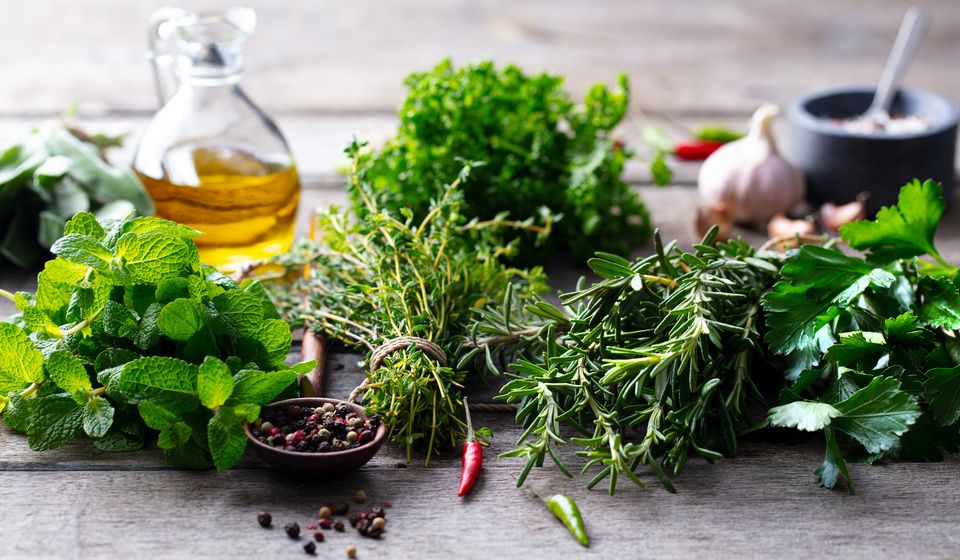
- Fresh herbs and leafy greens provide compounds that help regenerate antioxidants and support detoxification pathways
Rather than eliminating ROS, the goal is balance. It's about keeping oxidative stress within a range the body can manage and resolve.
Why an Anti-Inflammatory Diet Helps
Food influences inflammation every day, not through a single nutrient or superfood, but through patterns that either add to or reduce inflammatory load.
An anti-inflammatory diet helps by:
- Lowering incoming oxidative stress, especially from blood sugar spikes, processed foods, and damaged fats
- Providing the building blocks needed to repair cell membranes, so cells can respond appropriately to nutrients, hormones, and immune signals
- Supplying phytonutrients that calm inflammatory signaling at its source, rather than just masking symptoms
- Supporting mitochondrial efficiency, which reduces excess ROS production during energy generation
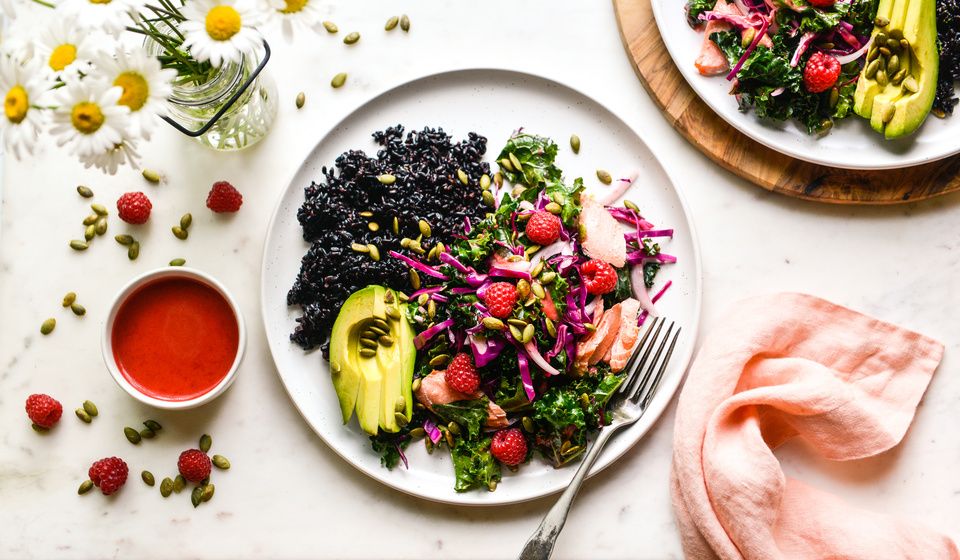
This is why whole foods—especially vegetables, herbs, healthy fats, and high-quality protein—are protective at the cellular level.
Over time, these food choices reduce background inflammatory signaling, support resolution, and allow the immune system to shift out of constant defense mode and back into repair.
Ready to Support Your Body and Calm Inflammation?
Inflammation is the immune system responding to perceived danger, inside or outside the body. Food patterns, blood sugar swings, gut barrier stress, sleep disruption, nervous system overload, and metabolic strain can all generate the same danger signals and activate the same inflammatory pathways.
When food choices support cell membrane integrity, antioxidant balance, gut resilience, blood sugar stability, and nervous system regulation, inflammatory signaling can soften, and healing becomes possible.
For more support, explore these options:
- Nourishing Meals®, a smart meal planning system that helps you put this way of eating into practice with supportive recipes and meal plans. Select Anti-Inflammatory Diet to begin.
- Explore different elimination diets and discover which approach is the best fit for you.
- Additional articles on gut health and nervous system support, which play a central role in immune regulation and inflammation, including How Nervous System Dysregulation Affects Digestion, How Food Sensitivities Affect Sleep, and The Role of the Nervous System in Digestive Health.
References:
Allison, D. J., Thomas, A., Beaudry, K., & Ditor, D. S. (2016). Targeting inflammation as a treatment modality for neuropathic pain in spinal cord injury: a randomized clinical trial. Journal of neuroinflammation, 13(1), 152. https://doi.org/10.1186/s12974-016-0625-4
Ayeneh Pour, A., Moradinazar, M., Samadi, M., Hamzeh, B., Najafi, F., Karimi, S., Faraji, F., Darbandi, M., & Pasdar, Y. (2020). Association of Dietary Inflammatory Index with cardiovascular disease in Kurdish adults: results of a prospective study on Ravansar non-communicable diseases. BMC cardiovascular disorders, 20(1), 434. https://doi.org/10.1186/s12872-020-01707-7
Bolte, L. A., Vich Vila, A., Imhann, F., Collij, V., Gacesa, R., Peters, V., Wijmenga, C., Kurilshikov, A., Campmans-Kuijpers, M. J. E., Fu, J., Dijkstra, G., Zhernakova, A., & Weersma, R. K. (2021). Long-term dietary patterns are associated with pro-inflammatory and anti-inflammatory features of the gut microbiome. Gut, 70(7), 1287–1298. https://doi.org/10.1136/gutjnl-2020-322670
Calder P. C. (2010). Omega-3 fatty acids and inflammatory processes. Nutrients, 2(3), 355–374. https://doi.org/10.3390/nu2030355
Doma, K., Gahreman, D., & Connor, J. (2021). Fruit supplementation reduces indices of exercise-induced muscle damage: a systematic review and meta-analysis. European journal of sport science, 21(4), 562–579. https://doi.org/10.1080/17461391.2020.1775895
Fasano A. (2012). Zonulin, regulation of tight junctions, and autoimmune diseases. Annals of the New York Academy of Sciences, 1258(1), 25–33. https://doi.org/10.1111/j.1749-6632.2012.06538.x
Forni, C., Facchiano, F., Bartoli, M., Pieretti, S., Facchiano, A., D'Arcangelo, D., Norelli, S., Valle, G., Nisini, R., Beninati, S., Tabolacci, C., & Jadeja, R. N. (2019). Beneficial Role of Phytochemicals on Oxidative Stress and Age-Related Diseases. BioMed research international, 2019, 8748253. https://doi.org/10.1155/2019/8748253
Hotamisligil G. S. (2006). Inflammation and metabolic disorders. Nature, 444(7121), 860–867. https://doi.org/10.1038/nature05485
Irwin, M. R., Olmstead, R., & Carroll, J. E. (2016). Sleep Disturbance, Sleep Duration, and Inflammation: A Systematic Review and Meta-Analysis of Cohort Studies and Experimental Sleep Deprivation. Biological psychiatry, 80(1), 40–52. https://doi.org/10.1016/j.biopsych.2015.05.014
Kiyimba, T., Yiga, P., Bamuwamye, M., Ogwok, P., Van der Schueren, B., & Matthys, C. (2023). Efficacy of Dietary Polyphenols from Whole Foods and Purified Food Polyphenol Extracts in Optimizing Cardiometabolic Health: A Meta-Analysis of Randomized Controlled Trials. Advances in nutrition (Bethesda, Md.), 14(2), 270–282. https://doi.org/10.1016/j.advnut.2023.01.002
Liguori, I., Russo, G., Curcio, F., Bulli, G., Aran, L., Della-Morte, D., Gargiulo, G., Testa, G., Cacciatore, F., Bonaduce, D., & Abete, P. (2018). Oxidative stress, aging, and diseases. Clinical interventions in aging, 13, 757–772. https://doi.org/10.2147/CIA.S158513
Long, J., Liao, X., Tang, Z., Han, K., Chen, J., Wang, X., Liu, J., Zhang, Y., & Zhang, H. (2025). Investigating the clinical efficacy, safety and molecular mechanism of sulforaphane in autism spectrum disorder: an integrated study combining meta-analysis, network pharmacology, and computational biology. BMC pharmacology & toxicology, 26(1), 217. https://doi.org/10.1186/s40360-025-01052-5
Long, Z., Xiang, W., He, Q., Xiao, W., Wei, H., Li, H., Guo, H., Chen, Y., Yuan, M., Yuan, X., Zeng, L., Yang, K., Deng, Y., & Huang, Z. (2023). Efficacy and safety of dietary polyphenols in rheumatoid arthritis: A systematic review and meta-analysis of 47 randomized controlled trials. Frontiers in immunology, 14, 1024120. https://doi.org/10.3389/fimmu.2023.1024120
Medzhitov R. (2008). Origin and physiological roles of inflammation. Nature, 454(7203), 428–435. https://doi.org/10.1038/nature07201
Moabedi, M., & Milajerdi, A. (2025). The effect of co-administration of vitamin E and C supplements on plasma oxidative stress biomarkers and antioxidant capacity: a GRADE-assessed systematic review and meta-analysis of randomized controlled trials with meta-regression. Frontiers in immunology, 16, 1547888. https://doi.org/10.3389/fimmu.2025.1547888
Qiu, L., Gao, C., Wang, H., Ren, Y., Li, J., Li, M., Du, X., Li, W., & Zhang, J. (2023). Effects of dietary polyphenol curcumin supplementation on metabolic, inflammatory, and oxidative stress indices in patients with metabolic syndrome: a systematic review and meta-analysis of randomized controlled trials. Frontiers in endocrinology, 14, 1216708. https://doi.org/10.3389/fendo.2023.1216708
Ramasamy, R., Yan, S. F., & Schmidt, A. M. (2011). Receptor for AGE (RAGE): signaling mechanisms in the pathogenesis of diabetes and its complications. Annals of the New York Academy of Sciences, 1243, 88–102. https://doi.org/10.1111/j.1749-6632.2011.06320.x
Sun, H., Hu, J., & Jiang, W. (2025). Significant association of serum carotenoids with the systemic immune-inflammation index: A cross-sectional study based on NHANES. Medicine, 104(25), e42942. https://doi.org/10.1097/MD.0000000000042942
Takeuchi, O., & Akira, S. (2010). Pattern recognition receptors and inflammation. Cell, 140(6), 805–820. https://doi.org/10.1016/j.cell.2010.01.022
Tolkien, K., Bradburn, S., & Murgatroyd, C. (2019). An anti-inflammatory diet as a potential intervention for depressive disorders: A systematic review and meta-analysis. Clinical nutrition (Edinburgh, Scotland), 38(5), 2045–2052. https://doi.org/10.1016/j.clnu.2018.11.007
Uribarri, J., Woodruff, S., Goodman, S., Cai, W., Chen, X., Pyzik, R., Yong, A., Striker, G. E., & Vlassara, H. (2010). Advanced glycation end products in foods and a practical guide to their reduction in the diet. Journal of the American Dietetic Association, 110(6), 911–16.e12. https://doi.org/10.1016/j.jada.2010.03.018
Vanuytsel, T., van Wanrooy, S., Vanheel, H., Vanormelingen, C., Verschueren, S., Houben, E., Salim Rasoel, S., Tόth, J., Holvoet, L., Farré, R., Van Oudenhove, L., Boeckxstaens, G., Verbeke, K., & Tack, J. (2014). Psychological stress and corticotropin-releasing hormone increase intestinal permeability in humans by a mast cell-dependent mechanism. Gut, 63(8), 1293–1299. https://doi.org/10.1136/gutjnl-2013-305690
Vidal Damasceno, J., Garcez, A., Anelo Alves, A., da Mata, I. R., Morelo Dal Bosco, S., & Garavaglia, J. (2026). Effects of daily extra virgin olive oil consumption on biomarkers of inflammation and oxidative stress: a systematic review and meta-analysis. Critical reviews in food science and nutrition, 66(2), 392–408. https://doi.org/10.1080/10408398.2025.2525446
Zhou, R., Tardivel, A., Thorens, B., Choi, I., & Tschopp, J. (2010). Thioredoxin-interacting protein links oxidative stress to inflammasome activation. Nature immunology, 11(2), 136–140. https://doi.org/10.1038/ni.1831

About the Author
Alissa Segersten
Alissa Segersten, MS, CN, is the founder of Nourishing Meals®, an online meal-planning membership with over 2,000 nourishing recipes and tools to support dietary change and better health. As a functional nutritionist, professional recipe developer, author of The Whole Life Nutrition Cookbook and Nourishing Meals, and co-author of The Elimination Diet, she helps people overcome health challenges through food. A mother of five, Alissa understands the importance of creating nutrient-dense meals for the whole family. Rooted in science and deep nourishment, her work makes healthy eating accessible, empowering thousands to transform their well-being through food.Nourishing Meals Newsletter
Email updates.


Add Comment