Anti-Inflammatory Foods: What to Eat More Of
Ali Segersten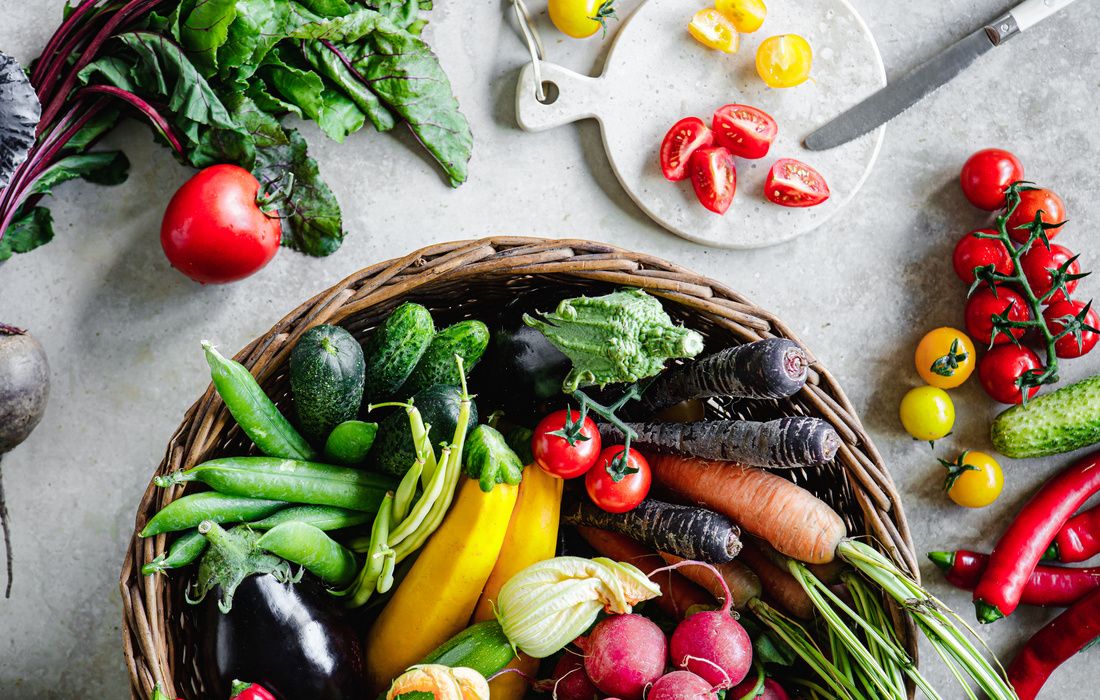
An anti-inflammatory diet isn’t about chasing superfoods or eliminating everything at once. It’s about shifting daily patterns so your body receives fewer inflammatory signals and more of what supports repair, balance, and resilience.
Inflammation responds to repeated inputs—blood sugar swings, oxidative stress, immune activation, gut barrier disruption, and damaged fats—not isolated meals. Food choices work because they change the signaling environment cells live in every day.
Research across metabolic, cardiovascular, neurological, and immune systems consistently shows that inflammation is shaped by what we do repeatedly over time. It’s long-term eating patterns, not quick dietary changes, that determine how inflamed or calm the body’s internal environment tends to be.
Oxidative Stress and Inflammation
Oxidative stress is one of the core drivers of chronic inflammation. It occurs when the body produces more reactive oxygen species than it can safely neutralize. Reactive oxygen species are unstable molecules generated during normal energy production, digestion, and immune activity, but their levels rise sharply with blood sugar spikes, chronic stress, poor sleep, environmental toxins, and highly processed foods.
Because these molecules are unstable, they seek out electrons from nearby tissues. In the process, they damage cell membranes, mitochondria, and proteins, disrupting energy production and pushing immune signaling toward inflammation.
Multiple lines of research show that chronic inflammation is driven less by immune “overreaction” and more by persistent metabolic and oxidative stress. Research linking metabolic disease and neurodegeneration shows that many chronic conditions share the same underlying drivers—impaired blood sugar signaling, mitochondrial stress, and excess oxidative damage—creating an internal environment where inflammation becomes widespread (Aging Research Reviews, 2024).
This is where food becomes protective. Antioxidants from whole plant foods help neutralize reactive oxygen species by donating electrons, stabilizing these molecules before they can damage cells. By consistently supplying antioxidants—along with the vitamins, minerals, amino acids, and phytonutrients that support the body’s own defense systems—an anti-inflammatory diet lowers oxidative stress at its source, reducing the constant cellular strain that fuels inflammation over time.
Start by Adding Before Restricting
One of the most effective and sustainable ways to eat for lower inflammation is to focus first on what to include, not just what to remove.
When meals are built around vegetables, quality protein, and healthy fats, many people naturally crowd out inflammatory foods, without strict rules, deprivation, or perfection. This approach helps the body feel supported rather than stressed, making change easier to maintain.
For some, this foundation is enough to create noticeable improvements. More structured approaches, such as a basic or full elimination diet, can be useful later if needed, but they tend to work best when built from a steady habit of consuming nourishing, anti-inflammatory whole foods.
Anti-Inflammatory Foods to Eat More Of
Anti-inflammatory foods work because they gently change the daily signals your body receives. Every bite sends information to your cells about whether the environment is stressful or supportive, inflammatory or safe.
When meals are built around nutrient-dense, plant-rich foods, the immune system receives fewer danger signals—such as blood sugar spikes, oxidative stress, and damaged or inflammatory fats—and more cues that support balance, repair, and resilience. Over time, this consistent signaling helps calm immune overactivation, protect cell membranes, and reduce chronic inflammation.
From this foundation, inflammation doesn’t have to be “fought.” It naturally downshifts as the body is consistently given what it has been missing.
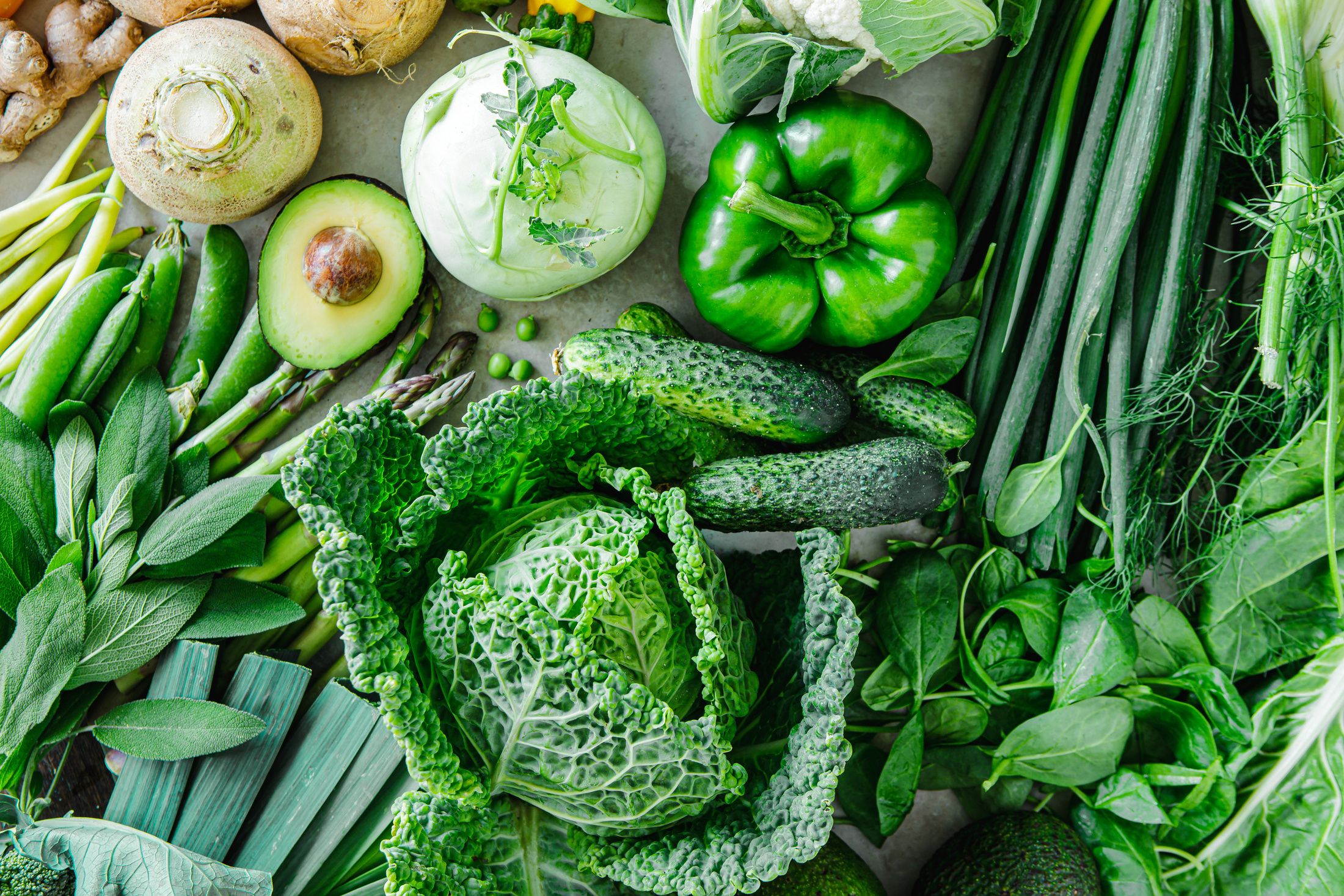
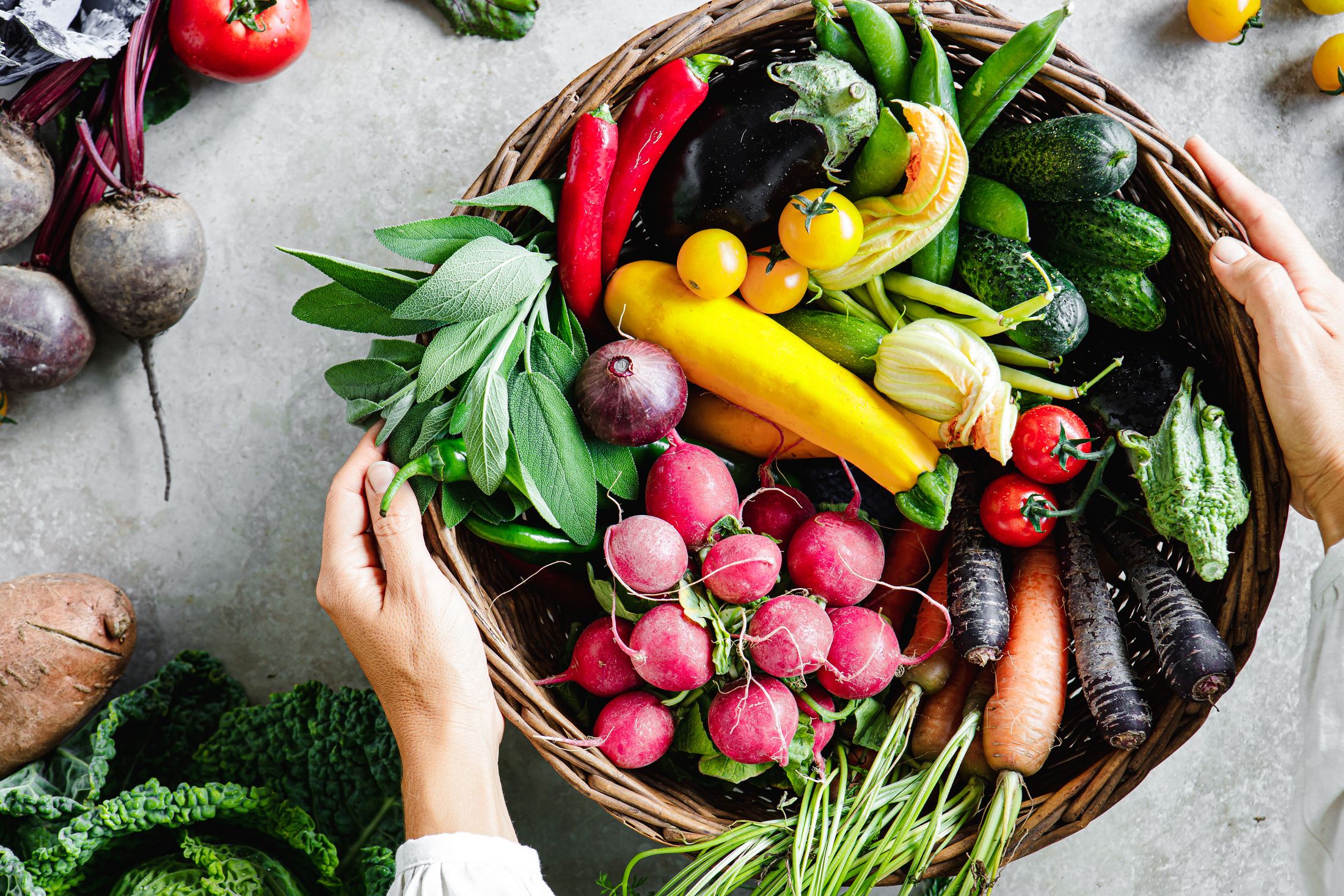
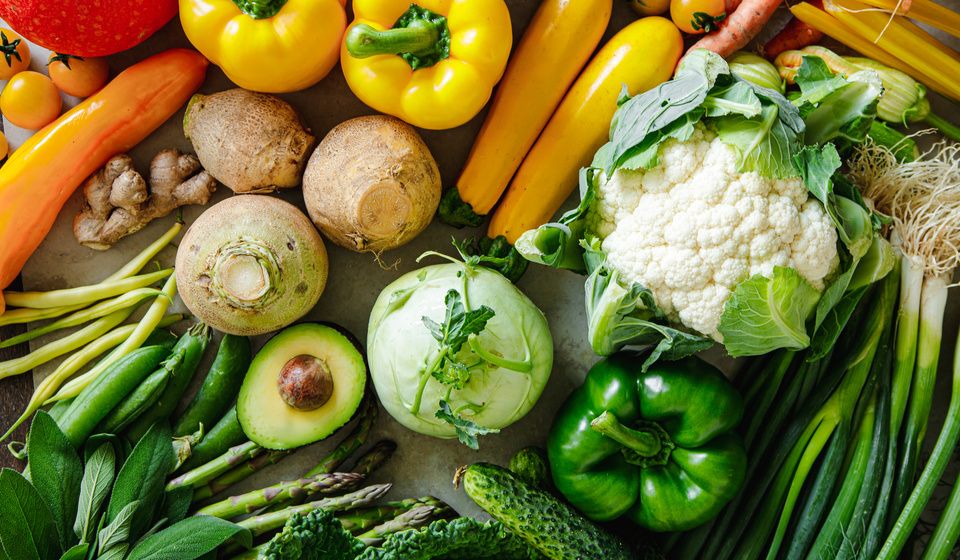
Vegetables (especially leafy greens and colorful veggies)
Vegetables provide fiber, antioxidants, minerals, and phytonutrients that support gut integrity, antioxidant balance, mitochondrial efficiency, and immune regulation. They are one of the most powerful foundations of an anti-inflammatory diet.
Focus on a variety of:
- Leafy greens: kale, chard, arugula, lettuces, bok choy, mustard greens
- Cruciferous vegetables: broccoli, cabbage, cauliflower, Brussels sprouts, radishes
- Deeply colored vegetables: beets, carrots, squash, purple cabbage, bell peppers, red onions
The fiber in vegetables helps maintain a strong gut barrier by nourishing beneficial microbes and supporting the production of short-chain fatty acids. These compounds calm immune activity in the intestinal lining and reduce the passage of inflammatory signals into circulation.
Leafy greens and deeply colored vegetables are rich in vitamins, minerals, and plant compounds that help neutralize reactive oxygen species before they damage cell membranes or mitochondria—key places where cellular stress can trigger stronger inflammatory responses that affect the whole body. By lowering oxidative stress at the cellular level, vegetables reduce one of the primary drivers of chronic inflammation.
Cruciferous vegetables deserve special mention because they supply sulfur-containing compounds that activate the body’s internal antioxidant and detoxification systems through the Nrf2 pathway. Human intervention studies show that regular intake of glucoraphanin-rich broccoli supports long-term reductions in oxidative stress and inflammatory signaling, helping the immune system respond in a more regulated and resilient way over time.
Deeply colored vegetables such as beets, carrots, squash, purple cabbage, bell peppers, and red onions provide carotenoids and polyphenols that help protect fats and cellular structures from oxidative damage. By reducing lipid oxidation, these compounds support metabolic stability and promote healthier, more balanced inflammatory responses.
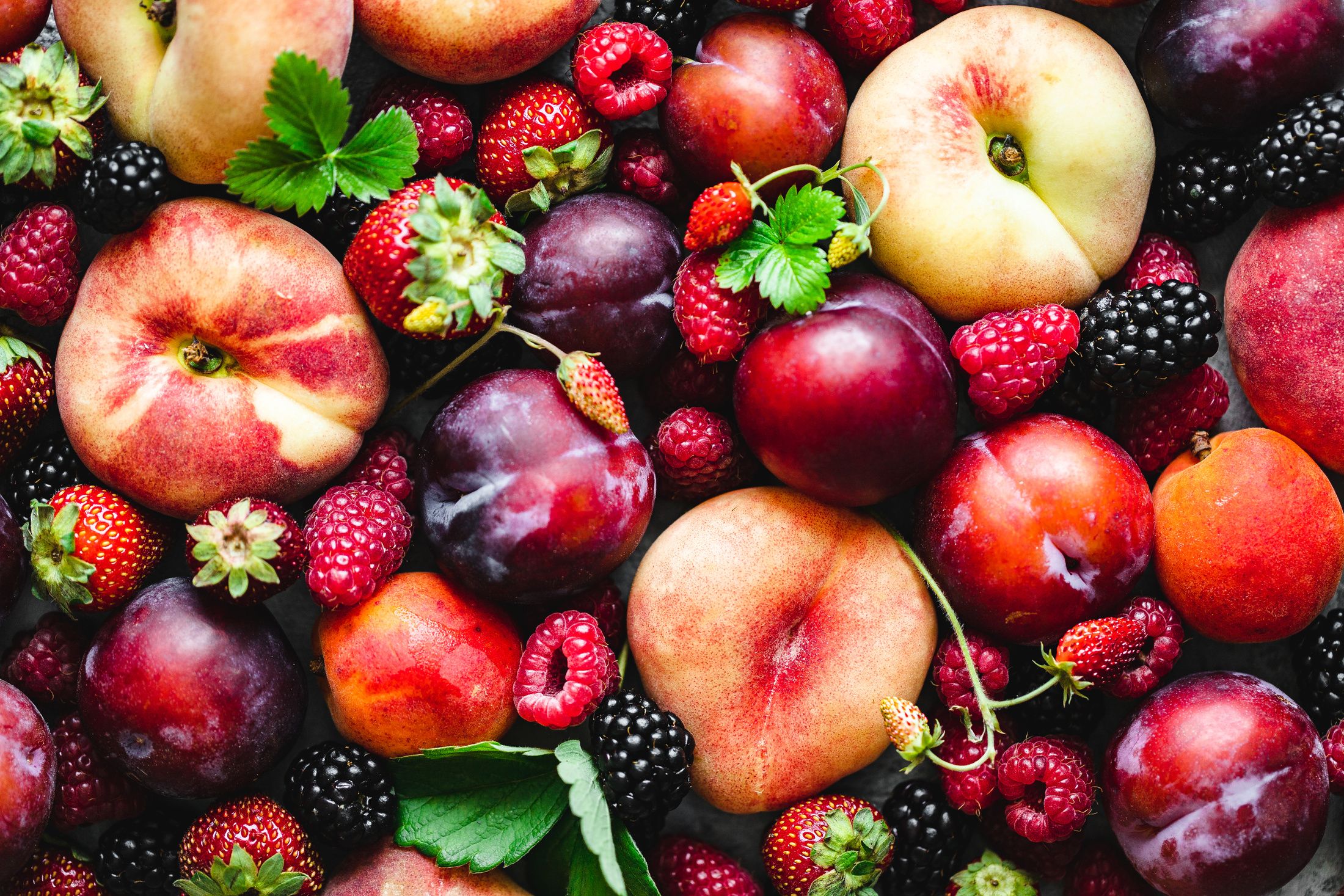
Fruits (especially berries)
In whole-food form, fruit provides fiber and polyphenols that help lower inflammatory burden. Berries, pomegranate, and red or purple grapes are among the richest sources of polyphenols. All fruits also contain pectin, a soluble fiber that feeds beneficial gut microbes and supports the body’s detoxification processes, both of which help reduce inflammation.
Research on polyphenols and whole plant foods repeatedly shows that gut microbiota–barrier interactions are central drivers of inflammation, especially in metabolic and liver-related conditions.
Focus on a variety of:
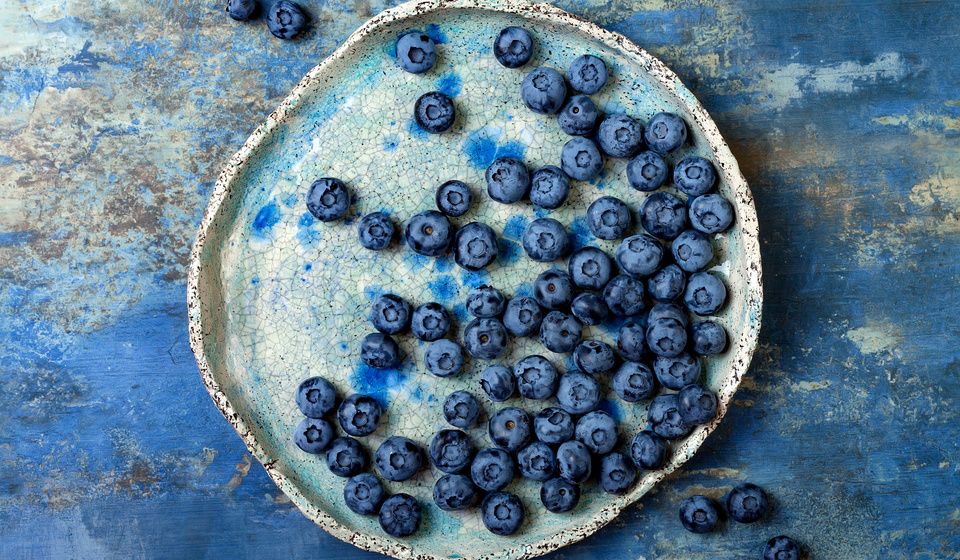
- Berries: blueberries, raspberries, blackberries, thimbleberries, gooseberries, strawberries
- Citrus fruits: lemons, limes, mandarins, oranges, blood oranges, grapefruit, kumquats
- Other high-fiber and polyphenol-rich fruits: pomegranate, purple or red grapes, cherries, figs, kiwi, apples, pears
Berries are particularly rich in anthocyanins, the plant compounds responsible for their deep red, purple, and blue colors. These polyphenols support antioxidant defenses, healthy blood vessel function, and lipid metabolism—key systems involved in regulating inflammation. Human research links regular berry intake to improved insulin sensitivity and reductions in low-grade inflammation, helping address some of the root drivers of chronic inflammatory states.
Beyond their direct antioxidant effects, berry polyphenols interact with gut microbes, leading to the production of beneficial metabolites that help strengthen the gut barrier and calm immune signaling. Together, these effects reduce oxidative stress and inflammatory activity by activating genetic pathways that help cells protect themselves and adapt to stress over time (Aging Research Reviews, 2024).
Pomegranate has been studied extensively for its anti-inflammatory and cardiometabolic effects. A large 2025 meta-analysis of randomized controlled trials found that pomegranate consumption significantly increased HDL cholesterol, particularly with longer-term intake and higher polyphenol exposure. HDL plays an important role in clearing oxidized lipids from circulation, which helps lower oxidative stress and downstream inflammation. Pomegranate’s anti-inflammatory effects have also been demonstrated in hormone-related conditions. A 2025 systematic review and meta-analysis of randomized controlled trials found that pomegranate juice significantly reduced inflammatory markers (hs-CRP), lowered testosterone levels, and improved HDL cholesterol in women with polycystic ovary syndrome—highlighting its ability to support metabolic, inflammatory, and endocrine balance simultaneously (Journal of Clinical Medicine, 2025).
Citrus fruits offer additional benefits through flavonoids such as hesperetin. Research suggests that hesperetin supports the body’s antioxidant enzymes, helps calm inflammation driven by NF-κB, and improves how cells respond to metabolic stress. (Food & Function, 2021).
Other fruits, such as apples, pears, figs, kiwi, pineapple, and stone fruit also contribute beneficial phytonutrients when consumed in balanced portions and paired with protein or fat.
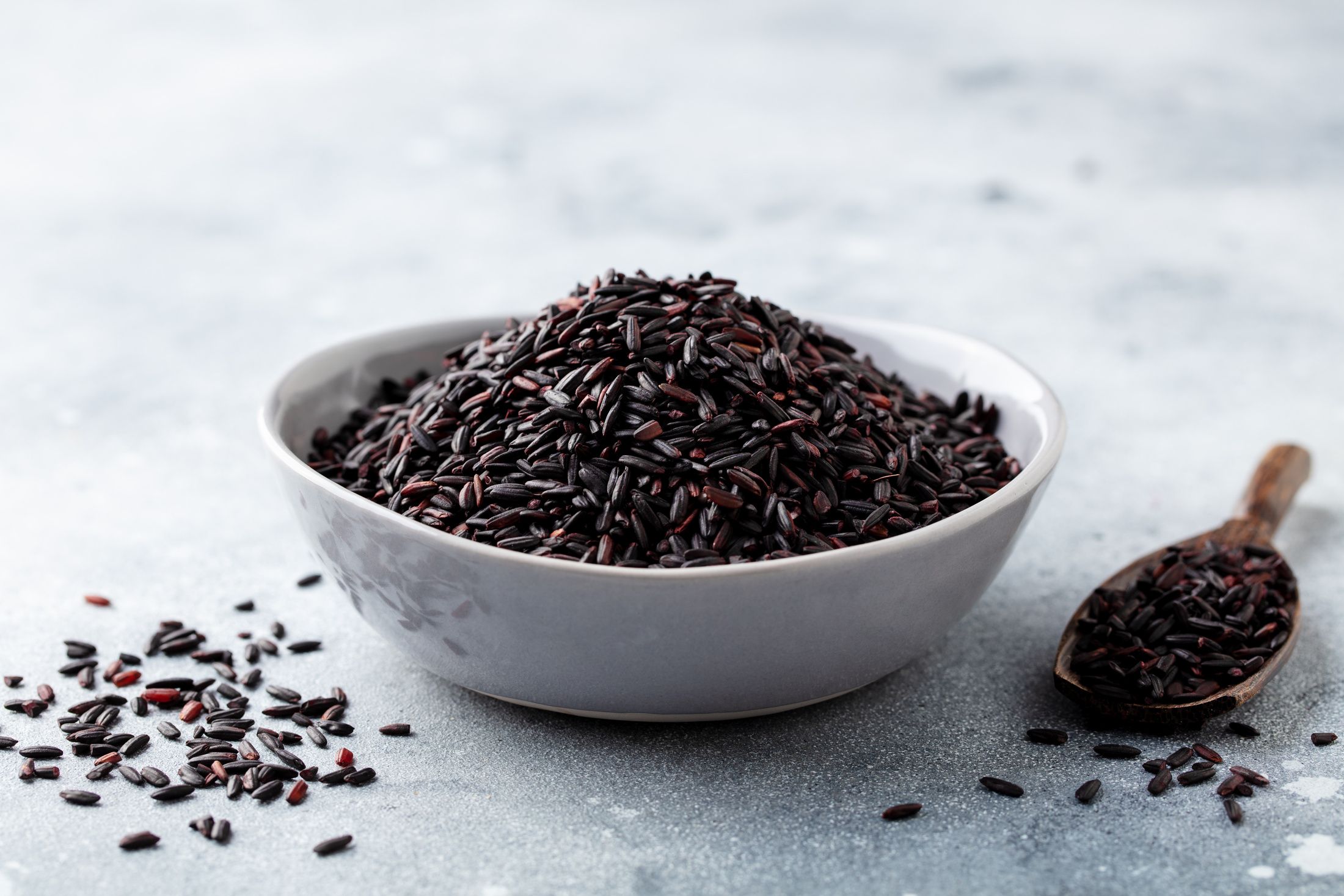
Whole Grains and Legumes (when tolerated)
Whole, intact grains and legumes provide fermentable fibers that feed beneficial gut microbes. These microbes produce short-chain fatty acids (SCFAs), which help strengthen the gut lining, regulate immune signaling in the intestinal wall, and reduce inappropriate immune activation.
When the gut barrier is well supported, fewer inflammatory microbial byproducts, such as endotoxins, are able to cross into circulation. Endotoxins are inflammatory molecules released by certain gut bacteria, particularly opportunistic or pathogenic species, when the gut barrier is compromised or microbial balance is disrupted. Reducing this exposure lowers one of the most common drivers of chronic, low-grade inflammation, especially in metabolic and cardiometabolic conditions.
Focus on a variety of:
Whole grains: brown rice, black rice, red rice, wild rice, quinoa, buckwheat, millet, oats
Legumes: lentils (green, brown, red), chickpeas, black beans, navy beans, mung beans
Traditional preparations (when possible): soaked, sprouted, or fermented grains and legumes for improved digestibility and tolerance
A randomized controlled trial in people with type 2 diabetes and dyslipidemia found that replacing white rice with germinated brown or black rice improved lipid profiles, increased beneficial gut microbes, and supported metabolic regulation over three months (Food & Function, 2024).
If you’re sensitive to certain grains or legumes, these foods may be better introduced later, in smaller amounts.
Healthy Fats
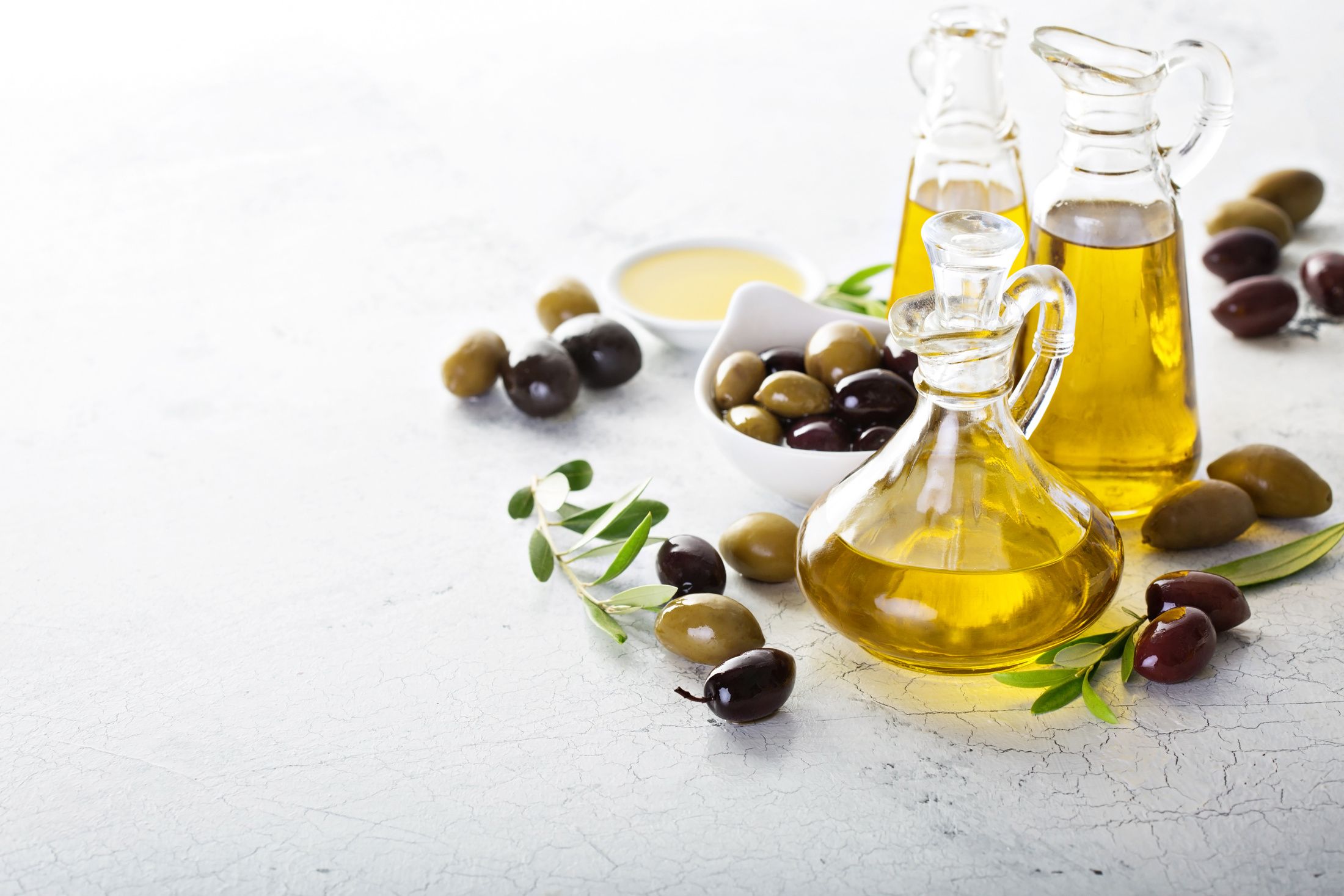
Fats influence inflammation at the level of the cell membrane, where inflammatory signals are received and transmitted. Cell membranes are made of a phospholipid bilayer, meaning the types of fats you eat become part of the structure of your cells. When membranes are built from stable, anti-inflammatory fats, cells communicate more clearly, respond better to insulin and hormones, and are less likely to amplify inflammatory signals.
This is why fat quality matters as much as fat quantity in an anti-inflammatory diet.
Prioritize:
- Extra-virgin olive oil
- Avocados and avocado oil
- Wild cold-water fish and DHA/EPA supplements
- Raw nuts and seeds (fresh and properly stored)
- Coconut products in moderation
A large 2026 systematic review and meta-analysis of randomized controlled trials found that daily extra-virgin olive oil consumption significantly reduced markers of inflammation and oxidative stress, including oxidized LDL, CRP, TNF-α, and IL-6 (Critical Reviews in Food Science and Nutrition, 2026). These benefits were strongest when olive oil was rich in phenolic compounds, not just oleic acid alone.
Phenol-rich olive oil protects fats within cell membranes from oxidation, preserving membrane flexibility and improving cellular responsiveness. This directly influences how cells perceive and respond to inflammatory signals.
Omega-3 fats found in fatty fish like salmon, sardines, and mackerel also integrate directly into cell membranes, shifting inflammatory signaling toward resolution rather than escalation.
High-Quality Protein
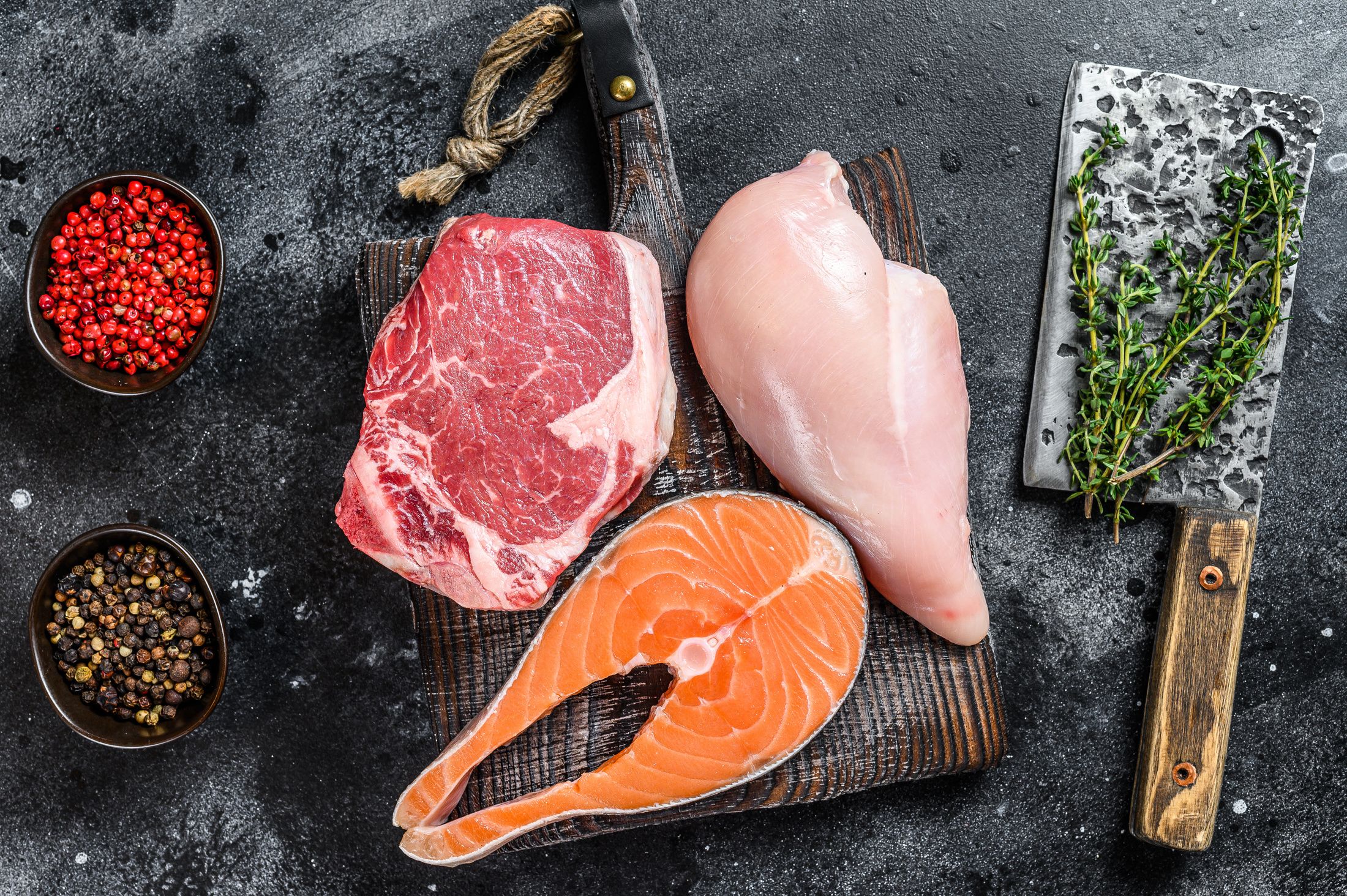
Protein supports tissue repair, immune regulation, detoxification pathways, and blood sugar stability.
Choose:
- Wild-caught fish and seafood
- Pasture-raised poultry and meats
- Eggs (if tolerated)
- Plant proteins from legumes and seeds
Protein at meals slows glucose absorption, reducing post-meal blood sugar spikes that drive excess ROS production. Long-term dietary studies show that adequate protein intake improves lipid profiles and reduces abdominal fat, both contributors to chronic inflammatory load (Nutrition, Metabolism & Cardiovascular Diseases, 2009).
This is a simple but powerful way that food, such as high-quality protein, reduces inflammation. When blood sugar stays balanced, fewer reactive oxygen species are generated, lowering the oxidative stress that can trigger immune activation in the first place.
Fermented Foods (if tolerated)
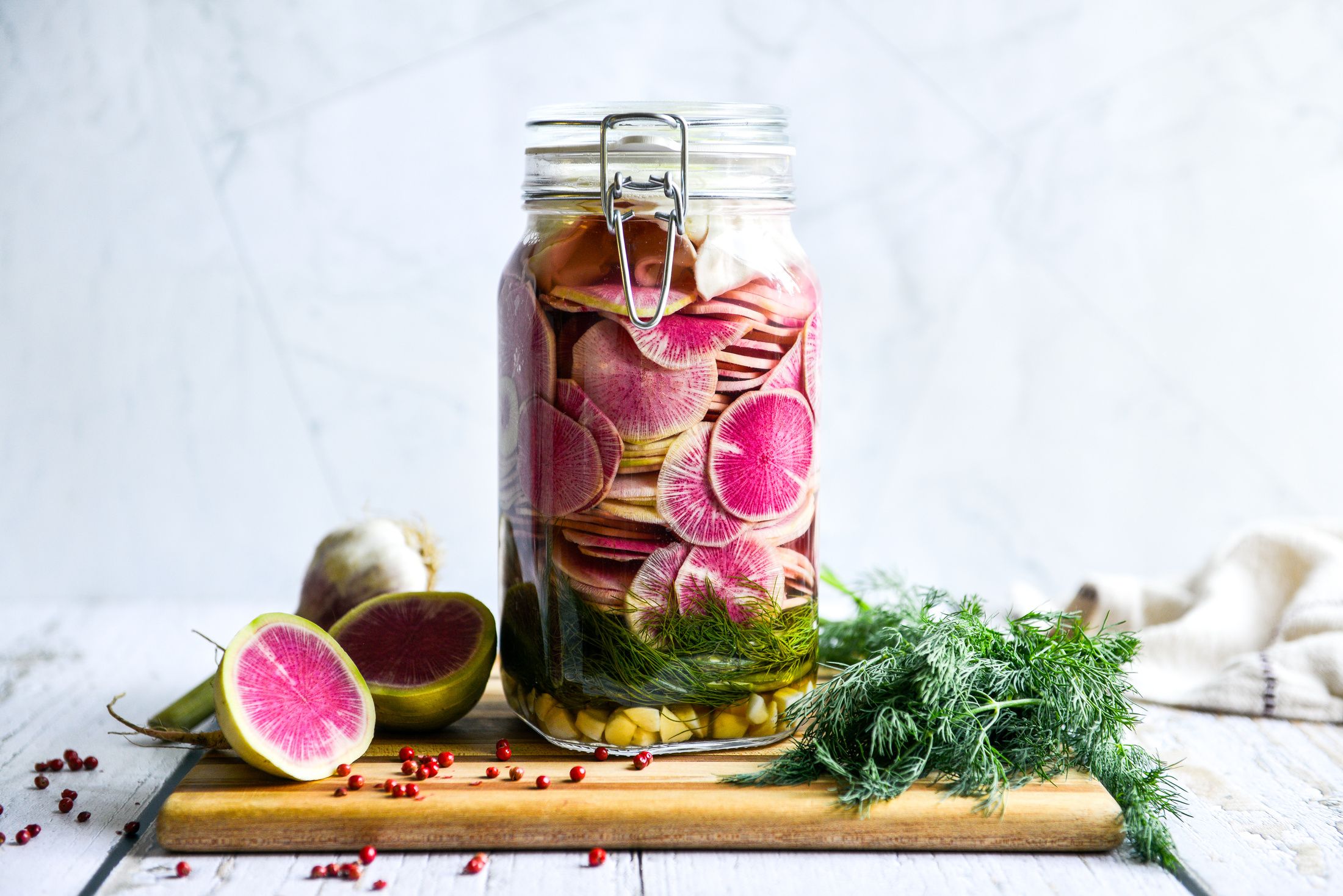
Fermented foods such as sauerkraut, kimchi, kefir, and coconut or dairy yogurts can support microbial diversity and immune balance when introduced gradually. Rather than simply “adding bacteria,” these foods influence how the existing gut ecosystem functions. Beneficial microbes and their metabolites—especially short-chain fatty acids—signal to the immune system that the environment is safe, help reinforce gut barrier integrity, reduce exposure to inflammatory microbial byproducts, and support regulatory immune signaling.
Fermented foods tend to work best when layered onto a diet that already supports gut integrity and metabolic balance, making them a valuable addition to an anti-inflammatory diet when tolerated.
Note for sensitive individuals:
If you have histamine sensitivity or SIBO-type patterns, fermented foods may not be supportive early on. These foods can increase histamine load or add microbial pressure in a gut that is already reactive or out of balance. In these situations, it’s often more beneficial to first prioritize gut barrier support, motility, and inflammation reduction through whole, gently cooked foods before experimenting with ferments. Fermented foods can be thoughtfully reintroduced later, once tolerance improves and the gut environment is more stable.

Fresh Herbs and Teas
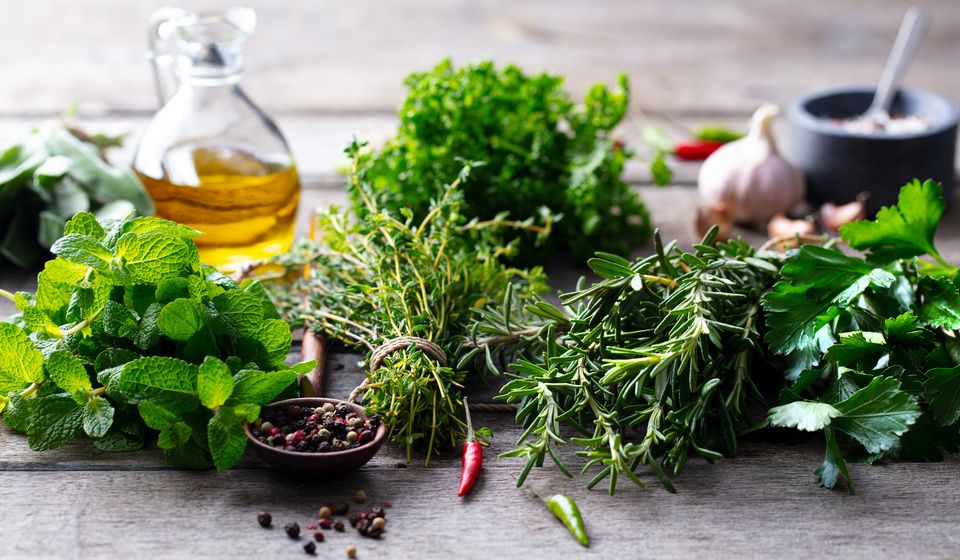
Fresh herbs and herbal teas are often overlooked, yet they provide some of the most concentrated sources of anti-inflammatory and antioxidant compounds in the diet. Herbs such as parsley, cilantro, rosemary, thyme, oregano, basil, and dill are rich in polyphenols and flavonoids that help neutralize reactive oxygen species, reduce inflammatory signaling, and support detoxification enzymes involved in cellular repair. Many of these compounds activate pathways that strengthen antioxidant defenses while gently downregulating NF-κB–driven inflammation.
Herbal teas—including green tea and matcha, ginger, turmeric, tulsi, chamomile, peppermint, and rooibos—offer similar anti-inflammatory benefits while also supporting hydration and nervous system regulation. Catechins in green tea and gingerols in ginger have been shown to reduce inflammatory cytokines and oxidative stress. Calming herbs such as chamomile help shift the nervous system toward a parasympathetic, repair-oriented state, and they also provide direct anti-inflammatory support. A 2025 systematic review and meta-analysis of randomized clinical trials confirmed that chamomile has measurable anti-inflammatory effects in humans, including improved immune regulation and reductions in inflammatory markers.
Research on polyphenols shows that compounds such as EGCG from green tea reduce inflammation in part by strengthening gut barrier function and lowering endotoxin-driven immune signaling—a mechanism highlighted in a 2024 Journal of Agricultural and Food Chemistry study.
Used daily, herbs and teas act as quiet but powerful modulators of inflammation, layering support into meals and routines in a way that is simple, nourishing, and sustainable.
Foods to Remove
Inflammation usually isn’t about one “bad” food. It’s about patterns over time—how frequently certain foods are eaten, how much, and how consistently the body is nourished with foods that calm and repair inflammation. Healing comes from both sides of the equation. Removing what repeatedly stresses the system and replenishing what restores balance. Consistency is what allows the body to shift out of inflammation and back into regulation.
Foods that tend to increase inflammatory load when eaten regularly include:
- Ultra-processed snacks and packaged foods
- Refined sugar
- Sugary drinks and desserts
- Refined grains and flours
- Deep-fried foods
- Processed meats
These foods increase oxidative stress, disrupt gut barrier integrity, and amplify inflammatory signaling through repeated blood sugar spikes and damaged fats.
Reducing them lowers background inflammation so repair processes can actually take hold.
Potentially Inflammatory Foods to Temporarily Remove
In some individuals, certain whole foods can also provoke inflammation, not because they are inherently harmful, but because the immune system is reacting to them. The Anti-Inflammatory Diet inside our meal planner temporarily removes the most common inflammatory triggers so you can experience what it feels like to nourish your body deeply while allowing underlying immune activation to settle. It’s a structured way to create clarity, emphasizing anti-inflammatory foods while setting aside potential triggers long enough to understand how your body truly responds.
Common examples that may be helpful to eliminate in order to gauge how your body is responding include:
- Gluten-containing grains
- Dairy
- Soy
- Corn
Sensitivity is individual, and elimination is a temporary diagnostic tool, not a lifelong mandate. Some foods, such as legumes, grains, nuts, eggs, and other otherwise nutrient-dense foods, can also be inflammatory for certain individuals, depending on gut integrity, immune tolerance, and overall inflammatory load.
The goal is not long-term restriction, it's about removing potential triggers long enough for inflammation to settle, then thoughtfully reintroducing foods to understand what your body truly tolerates and benefits from.
How to Build an Anti-Inflammatory Plate
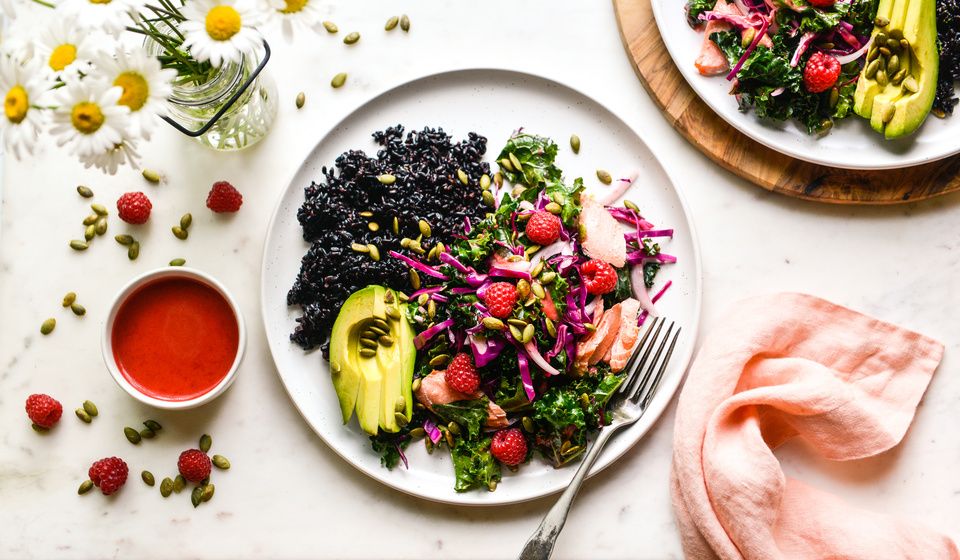
Building anti-inflammatory meals can be simple and enjoyable. You might create a plate with salmon, roasted green vegetables, sweet potatoes, and olive oil one night, or eggs with sautéed vegetables and avocado in the morning. Even the most basic combinations count. You don’t need perfection for this to work; consistency is what matters most.
When meals include protein, fiber-rich plants, and healthy fats, the body receives steady, supportive signals. This combination helps stabilize blood sugar, reduce oxidative stress, and supply the raw materials needed for cell membrane repair, mitochondrial efficiency, and immune regulation, quietly lowering inflammatory signaling over time.
A simple framework for most meals:
- A source of high-quality protein
- Plenty of fiber-rich vegetables
- A healthy fat
- Optional whole-food carbohydrates, as tolerated
It’s also important to know that eating this way doesn’t require constant meals. Periods without food—when done intentionally and without stress—can support metabolic flexibility, improve insulin sensitivity, and activate cellular repair processes such as autophagy. Many people naturally benefit from gentle fasting windows or occasionally skipping a meal when they’re not hungry, especially as blood sugar regulation improves.
Getting Started
Anti-inflammatory eating is about consistency, quality, and listening to your body.
When meals are built around whole foods that support gut health, antioxidant balance, lipid integrity, and metabolic stability, inflammatory signaling decreases, and the body regains its capacity to heal.
You can begin by downloading the Anti-Inflammatory Diet Guide, a simple, science-backed PDF outlining foods to enjoy, foods to reduce, and practical swaps to help calm inflammation.
Nourishing Meals® is a smart meal-planning system and nutrient-dense recipe hub designed to support therapeutic diets like the Anti-Inflammatory Diet. Inside, you’ll find over 2,000 whole-food, nutrient-dense recipes, plus tools to plan meals, generate grocery lists, and stay consistent while your body heals.
To get started, simply join Nourishing Meals® and select Anti-Inflammatory Diet during diet profile setup. This filters recipes and meal plans to align with this way of eating—so nourishment feels supportive, not overwhelming.
References:
Andrés, C. M. C., Pérez de la Lastra, J. M., Munguira, E. B., Juan, C. A., & Pérez-Lebeña, E. (2025). The Multifaceted Health Benefits of Broccoli-A Review of Glucosinolates, Phenolics and Antimicrobial Peptides. Molecules (Basel, Switzerland), 30(11), 2262. https://doi.org/10.3390/molecules30112262
Bhatti, J. S., Bhatti, G. K., & Reddy, P. H. (2017). Mitochondrial dysfunction and oxidative stress in metabolic disorders - A step towards mitochondria based therapeutic strategies. Biochimica et biophysica acta. Molecular basis of disease, 1863(5), 1066–1077. https://doi.org/10.1016/j.bbadis.2016.11.010
Bolte, L. A., Vich Vila, A., Imhann, F., Collij, V., Gacesa, R., Peters, V., Wijmenga, C., Kurilshikov, A., Campmans-Kuijpers, M. J. E., Fu, J., Dijkstra, G., Zhernakova, A., & Weersma, R. K. (2021). Long-term dietary patterns are associated with pro-inflammatory and anti-inflammatory features of the gut microbiome. Gut, 70(7), 1287–1298. https://doi.org/10.1136/gutjnl-2020-322670
Cheng, W., Liang, K., & Huang, A. (2025). An updated systematic review and meta-analysis of pomegranate consumption on lipid profile. Prostaglandins & other lipid mediators, 178, 106992. https://doi.org/10.1016/j.prostaglandins.2025.106992
Clifton, P. M., Bastiaans, K., & Keogh, J. B. (2009). High protein diets decrease total and abdominal fat and improve CVD risk profile in overweight and obese men and women with elevated triacylglycerol. Nutrition, metabolism, and cardiovascular diseases : NMCD, 19(8), 548–554. https://doi.org/10.1016/j.numecd.2008.10.006
Dehzad, M. J., Ghalandari, H., Nouri, M., & Askarpour, M. (2023). Antioxidant and anti-inflammatory effects of curcumin/turmeric supplementation in adults: A GRADE-assessed systematic review and dose-response meta-analysis of randomized controlled trials. Cytokine, 164, 156144. https://doi.org/10.1016/j.cyto.2023.156144
Kacena C. (2025). Effects of the Curcuminoid and Non-Curcuminoid Compounds of Turmeric on the Gut Microbiome and Inflammation: Potential Use in the Treatment and Prevention of Disease. Nutrition reviews, 83(9), 1771–1783. https://doi.org/10.1093/nutrit/nuae221
Keshteli, A. H., Valcheva, R., Nickurak, C., Park, H., Mandal, R., van Diepen, K., Kroeker, K. I., van Zanten, S. V., Halloran, B., Wishart, D. S., Madsen, K. L., & Dieleman, L. A. (2022). Anti-Inflammatory Diet Prevents Subclinical Colonic Inflammation and Alters Metabolomic Profile of Ulcerative Colitis Patients in Clinical Remission. Nutrients, 14(16), 3294. https://doi.org/10.3390/nu14163294
Li, J., Wang, T., Liu, P., Yang, F., Wang, X., Zheng, W., & Sun, W. (2021). Hesperetin ameliorates hepatic oxidative stress and inflammation via the PI3K/AKT-Nrf2-ARE pathway in oleic acid-induced HepG2 cells and a rat model of high-fat diet-induced NAFLD. Food & function, 12(9), 3898–3918. https://doi.org/10.1039/d0fo02736g
Long, J., Liao, X., Tang, Z., Han, K., Chen, J., Wang, X., Liu, J., Zhang, Y., & Zhang, H. (2025). Investigating the clinical efficacy, safety and molecular mechanism of sulforaphane in autism spectrum disorder: an integrated study combining meta-analysis, network pharmacology, and computational biology. BMC pharmacology & toxicology, 26(1), 217. https://doi.org/10.1186/s40360-025-01052-5
Long, Z., Xiang, W., He, Q., Xiao, W., Wei, H., Li, H., Guo, H., Chen, Y., Yuan, M., Yuan, X., Zeng, L., Yang, K., Deng, Y., & Huang, Z. (2023). Efficacy and safety of dietary polyphenols in rheumatoid arthritis: A systematic review and meta-analysis of 47 randomized controlled trials. Frontiers in immunology, 14, 1024120. https://doi.org/10.3389/fimmu.2023.1024120
Moabedi, M., & Milajerdi, A. (2025). The effect of co-administration of vitamin E and C supplements on plasma oxidative stress biomarkers and antioxidant capacity: a GRADE-assessed systematic review and meta-analysis of randomized controlled trials with meta-regression. Frontiers in immunology, 16, 1547888. https://doi.org/10.3389/fimmu.2025.1547888
Naranjo-Galvis, C. A., Trejos-Gallego, D. M., Correa-Salazar, C., Triviño-Valencia, J., Valencia-Buitrago, M., Ruiz-Pulecio, A. F., Méndez-Ramírez, L. F., Zabaleta, J., Meñaca-Puentes, M. A., Ruiz-Villa, C. A., Orjuela-Rodriguez, M., Carmona-Hernández, J. C., & Salamanca-Duque, L. M. (2025). Anti-Inflammatory Diet and Probiotic Supplementation as Strategies to Modulate Immune Dysregulation in Autism Spectrum Disorder. Nutrients, 17(16), 2664. https://doi.org/10.3390/nu17162664
Pan, J. H., Kim, J. K., Lee, K., Le, B. L., Lee, J. A., & Trudo, S. P. (2025). Changes in urinary metabolomics after meat-containing meals with and without cruciferous or apiaceous vegetables indicate modulation of nucleotide metabolism in addition to xenobiotic metabolism: A randomized crossover study. Food research international (Ottawa, Ont.), 214, 116680. https://doi.org/10.1016/j.foodres.2025.116680
Reis, J. F., Monteiro, V. V., de Souza Gomes, R., do Carmo, M. M., da Costa, G. V., Ribera, P. C., & Monteiro, M. C. (2016). Action mechanism and cardiovascular effect of anthocyanins: a systematic review of animal and human studies. Journal of translational medicine, 14(1), 315. https://doi.org/10.1186/s12967-016-1076-5
Rodrigo-Carbó, C., Madinaveitia-Nisarre, L., Pérez-Calahorra, S., Gracia-Rubio, I., Cebollada, A., Galindo-Lalana, C., Mateo-Gallego, R., & Lamiquiz-Moneo, I. (2025). Low-calorie, high-protein diets, regardless of protein source, improve glucose metabolism and cardiometabolic profiles in subjects with prediabetes or type 2 diabetes and overweight or obesity. Diabetes, obesity & metabolism, 27(1), 268–279. https://doi.org/10.1111/dom.16013
Silveira, V., Braz, P., Grande, A. J., Colonetti, T., Rodrigues Uggioni, M. L., da Silveira Prestes, G., Roever, L., Santina Dagostin, V., & da Rosa, M. I. (2025). Effects of Pomegranate Juice on Androgen Levels, Inflammation and Lipid Profile in Polycystic Ovary Syndrome: A Systematic Review and Meta-Analysis. Journal of clinical medicine, 14(15), 5458. https://doi.org/10.3390/jcm14155458
Sun, H., Hu, J., & Jiang, W. (2025). Significant association of serum carotenoids with the systemic immune-inflammation index: A cross-sectional study based on NHANES. Medicine, 104(25), e42942. https://doi.org/10.1097/MD.0000000000042942
Traka, M. H., Melchini, A., Coode-Bate, J., Al Kadhi, O., Saha, S., Defernez, M., Troncoso-Rey, P., Kibblewhite, H., O'Neill, C. M., Bernuzzi, F., Mythen, L., Hughes, J., Needs, P. W., Dainty, J. R., Savva, G. M., Mills, R. D., Ball, R. Y., Cooper, C. S., & Mithen, R. F. (2019). Transcriptional changes in prostate of men on active surveillance after a 12-mo glucoraphanin-rich broccoli intervention-results from the Effect of Sulforaphane on prostate CAncer PrEvention (ESCAPE) randomized controlled trial. The American journal of clinical nutrition, 109(4), 1133–1144. https://doi.org/10.1093/ajcn/nqz012
Valmy, J., Greenfield, S., Shindo, S., Kawai, T., Cervantes, J., & Hong, B. Y. (2025). Anti-inflammatory effect of chamomile from randomized clinical trials: a systematic review and meta-analyses. Pharmaceutical biology, 63(1), 490–502. https://doi.org/10.1080/13880209.2025.2530995
Vidal Damasceno, J., Garcez, A., Anelo Alves, A., da Mata, I. R., Morelo Dal Bosco, S., & Garavaglia, J. (2026). Effects of daily extra virgin olive oil consumption on biomarkers of inflammation and oxidative stress: a systematic review and meta-analysis. Critical reviews in food science and nutrition, 66(2), 392–408. https://doi.org/10.1080/10408398.2025.2525446
Wang, J., Zhang, J., Yu, Z. L., Chung, S. K., & Xu, B. (2024). The roles of dietary polyphenols at crosstalk between type 2 diabetes and Alzheimer's disease in ameliorating oxidative stress and mitochondrial dysfunction via PI3K/Akt signaling pathways. Ageing research reviews, 99, 102416. https://doi.org/10.1016/j.arr.2024.102416
Xiao, K., Furutani, A., Sasaki, H., Takahashi, M., & Shibata, S. (2022). Effect of a High Protein Diet at Breakfast on Postprandial Glucose Level at Dinner Time in Healthy Adults. Nutrients, 15(1), 85. https://doi.org/10.3390/nu15010085
Zhao, F., Ren, C., Li, L., Huang, C., Zhao, Q., Zhong, Y., Hu, Q., Liao, W., Xia, H., Yang, L., Wang, S., & Sun, G. (2024). Effects of germinated brown rice and germinated black rice on people with type 2 diabetes mellitus combined with dyslipidaemia. Food & function, 15(12), 6642–6656. https://doi.org/10.1039/d3fo05070j
Zuo, G., Chen, M., Zuo, Y., Liu, F., Yang, Y., Li, J., Zhou, X., Li, M., Huang, J. A., Liu, Z., & Lin, Y. (2024). Tea Polyphenol Epigallocatechin Gallate Protects Against Nonalcoholic Fatty Liver Disease and Associated Endotoxemia in Rats via Modulating Gut Microbiota Dysbiosis and Alleviating Intestinal Barrier Dysfunction and Related Inflammation. Journal of agricultural and food chemistry, 10.1021/acs.jafc.3c04832. Advance online publication. https://doi.org/10.1021/acs.jafc.3c04832

About the Author
Alissa Segersten, MS, CN
Alissa Segersten, MS, CN, is the founder of Nourishing Meals®, an online meal-planning membership with over 2,000 nourishing recipes and tools to support dietary change and better health. As a functional nutritionist, professional recipe developer, author of The Whole Life Nutrition Cookbook and Nourishing Meals, and co-author of The Elimination Diet, she helps people overcome health challenges through food. A mother of five, Alissa understands the importance of creating nutrient-dense meals for the whole family. Rooted in science and deep nourishment, her work makes healthy eating accessible, empowering thousands to transform their well-being through food.Nourishing Meals Newsletter
Email updates.


Add Comment