The Anti-Inflammatory Diet: What You Need to Know
Ali Segersten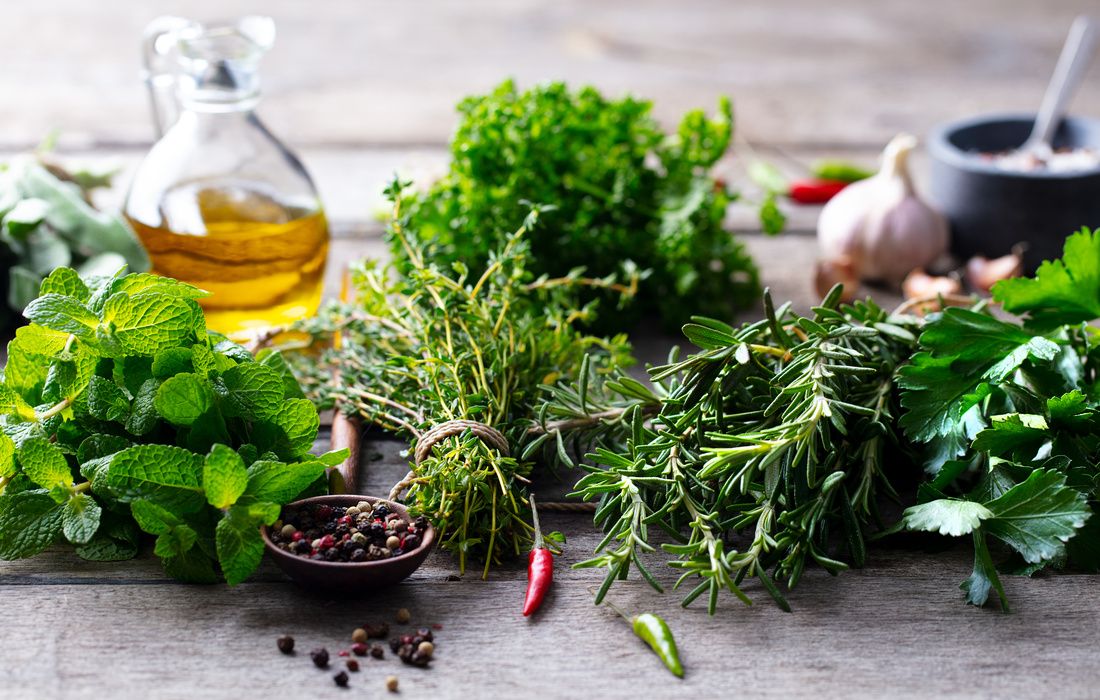
Chronic inflammation sits quietly beneath many modern health challenges. And food is one of the most powerful influences on whether we continue to fuel that internal fire, or help calm it.
Inflammation can build for several reasons. It can arise from regularly eating highly processed foods that increase oxidative stress, a state in which free radicals outpace the body’s antioxidant defenses. It can also be driven by chronically elevated blood sugar from excess sugar and refined carbohydrates, which keeps inflammatory hormones and immune messengers turned on.
And very often, inflammation is sustained by hidden food sensitivities—when the immune system reacts to certain foods, even ones commonly considered healthy. These reactions can increase inflammatory cytokines, disrupt the gut lining, impair nutrient absorption, and quietly perpetuate symptoms throughout the body.
This is where the Anti-Inflammatory Diet becomes so helpful.
Rather than asking you to guess which foods might be contributing to inflammation, this approach intentionally removes the most common dietary triggers—including sugar, processed foods, gluten, dairy, corn, and soy—while nourishing the body with whole, nutrient-dense foods that support immune regulation and cellular repair.
The goal is to calm inflammation, so your body has the space it needs to heal.
Over time, as inflammatory signaling settles and the gut begins to repair, many people discover they can tolerate small amounts of high-quality versions of certain foods—such as organic fermented dairy or fermented organic soy. The long-term strategy is not avoidance forever, but learning what truly works best for your body.
What is Inflammation?
Inflammation itself is not the problem. It’s a protective response.
When you experience an injury or infection, your immune system releases inflammatory signals to increase blood flow, recruit immune cells, and initiate repair. This is acute inflammation, and it is essential for healing.
The challenge arises when inflammation becomes chronic.
Instead of turning on briefly and resolving, inflammatory pathways remain partially activated day after day. Research shows that this ongoing immune activation is associated with elevated levels of inflammatory messengers such as TNF-α, IL-6, and CRP—signals that can interfere with normal metabolic, hormonal, and neurological function over time.
This low-grade inflammation quietly affects nearly every system in the body, including joints, digestion, hormones, blood sugar regulation, brain signaling, and energy production.
This is why chronic inflammation is now understood to play a central role in conditions such as autoimmune disease, metabolic dysfunction, cardiovascular disease, digestive disorders, skin conditions, mood changes, and persistent fatigue.
Food doesn’t act in isolation, but daily food patterns strongly influence whether inflammatory signaling continues or begins to calm.
What the Anti-Inflammatory Diet Is
The Anti-Inflammatory Diet is a therapeutic, whole-foods–based approach designed to calm inflammation and support deep, foundational healing.
It works through three core strategies:
- Removing foods that commonly activate immune and inflammatory responses, including refined sugar, processed foods, gluten, dairy, corn, soy, alcohol, and processed meats
- Supporting blood sugar balance, which helps reduce insulin-driven inflammatory signaling
- Nourishing the body with nutrient-dense foods that provide antioxidants, polyphenols, omega-3 fats, and minerals involved in inflammation control
Every time you eat, you send signals to your genes. Those signals can influence whether inflammatory pathways are turned up—or gently turned down. This is the field of nutritional epigenetics, and it helps explain why daily food choices matter so much over time.
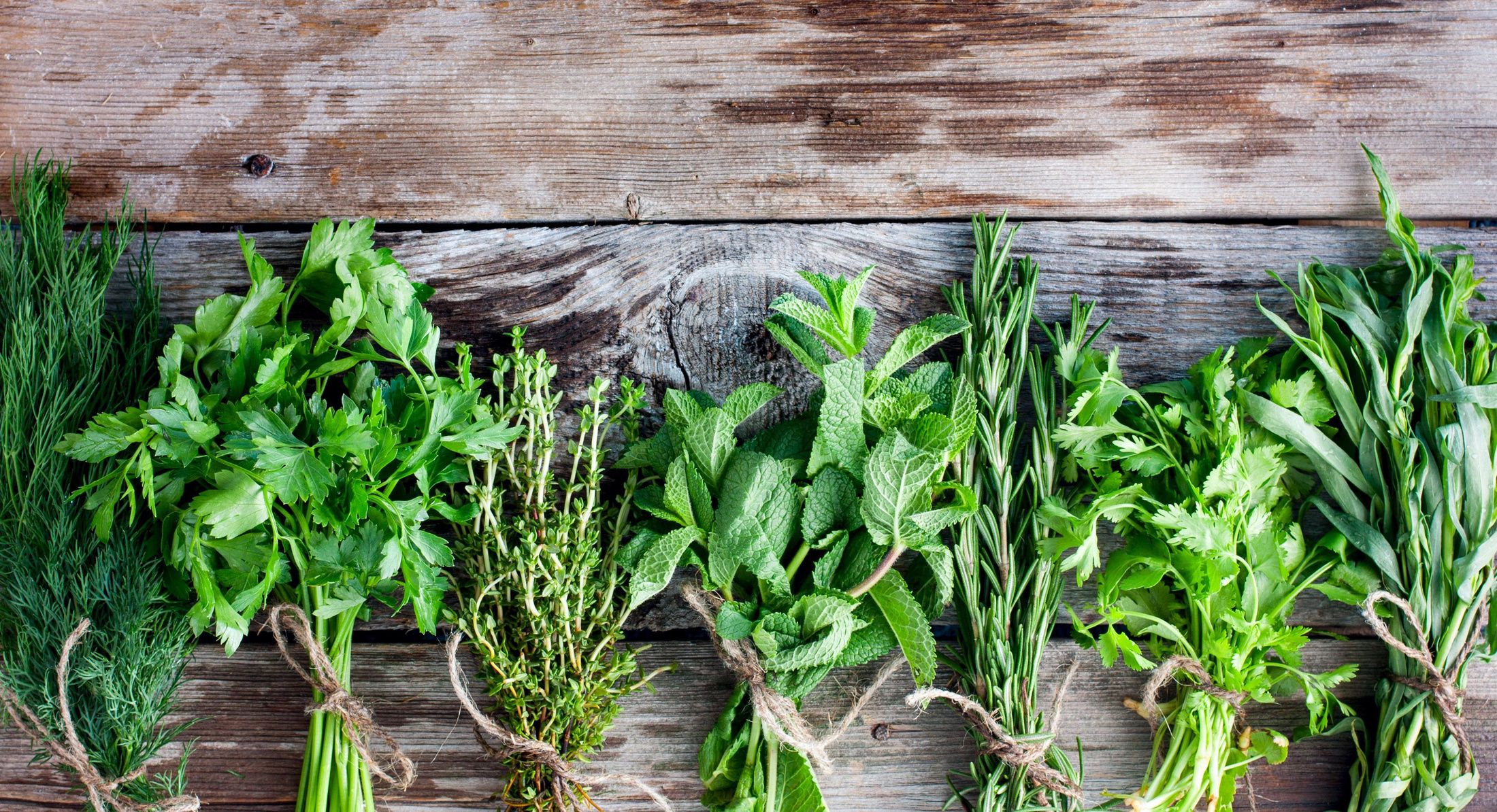
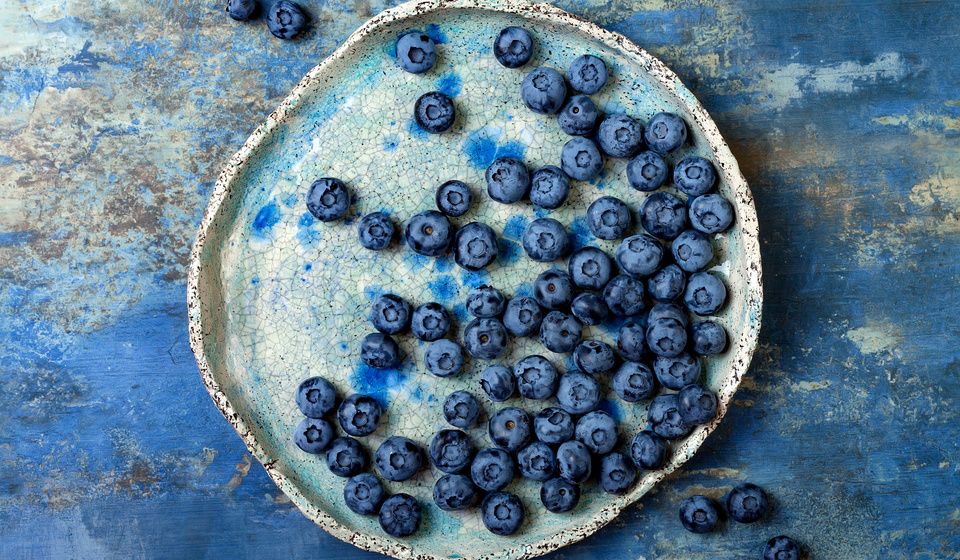
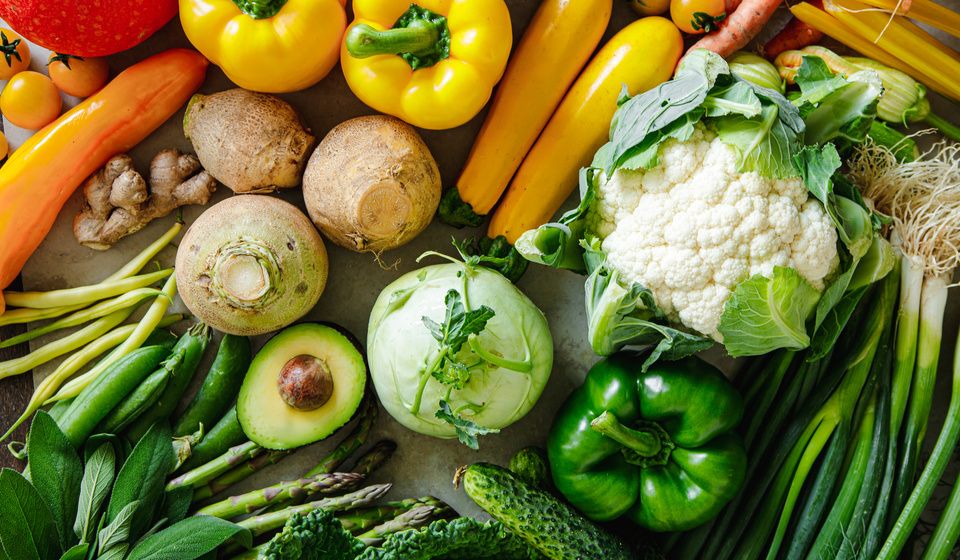
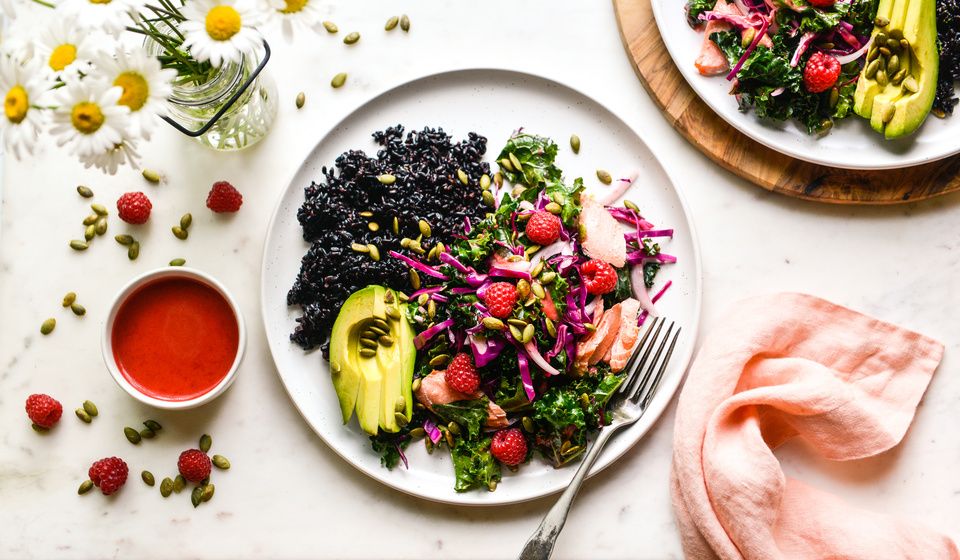
This way of eating emphasizes foods rich in compounds shown to support immune balance and antioxidant defenses—leafy greens, berries, ginger, turmeric, fresh herbs, green tea, and omega-3–rich fish—allowing food to become a daily source of repair rather than stress.
Who the Anti-Inflammatory Diet Is For
This approach can be supportive for anyone experiencing signs of chronic inflammation.
It is especially helpful if you’re navigating:
- Fatigue or low energy
- Joint pain or chronic aches
- Brain fog or memory challenges
- Hormonal imbalances
- Digestive discomfort or bloating
- Skin issues such as acne or rashes
- Blood sugar instability
- Headaches or migraines
- Sleep disturbances
- Difficulty releasing excess weight
It is also often used as a foundational starting place for those with autoimmune conditions, metabolic concerns, or neurological and mood-related challenges. In these cases, calming inflammation can reduce immune overactivation and create a more stable internal environment for deeper healing work.
For many people, this diet serves as a gentle but effective reset—bringing awareness to how food influences symptoms while restoring trust in the body’s ability to respond when given the right support.
How the Anti-Inflammatory Diet Works
The Anti-Inflammatory Diet works by reducing the daily inflammatory load on the body, allowing the immune system to recalibrate and tissues to repair.
For most people, following this way of eating for 6 to 12 weeks provides enough time for meaningful physiological shifts to occur.
During this period:
- Inflammatory cytokine signaling begins to quiet
- The gut lining has time to strengthen and rebalance
- Antioxidant and nutrient stores are replenished
- Energy, clarity, and resilience often begin to return
After this initial phase, foods can be slowly and intentionally reintroduced, one at a time, to observe how your body responds. This process helps distinguish between foods that are supportive, foods that are neutral, and foods that may continue to trigger inflammation for you.
This is not about staying restricted long term. It’s about restoring balance first, and then listening carefully to how your body responds with different foods.
If you’re looking for a deeper, more reflective exploration of inflammation and healing through food, you may also enjoy this earlier post: How to Do an Anti-Inflammatory Diet to Calm Inflammation. For a more integrative lens, Digestive Health, Food Sensitivities, and the Role of the Nervous System explores how stress, vagal tone, and gut–brain communication shape digestion, immune reactivity, and the body’s capacity to truly receive nourishment.
Getting Started with an Anti-Inflammatory Diet
If you’re ready to begin, having structure and support can make this process feel far more manageable.
You can start by downloading the Anti-Inflammatory Diet Guide, a simple, science-backed PDF that outlines foods to enjoy, foods to avoid, and practical swaps to help calm inflammation.
Nourishing Meals® is a smart meal planning system and nutrient-dense recipe hub designed to support therapeutic diets like the Anti-Inflammatory Diet. Inside, you’ll find over 2,000 whole-food, nutrient-dense recipes, along with tools that help you plan meals, generate grocery lists, and stay consistent while your body heals.
To get started, simply join Nourishing Meals® and select Anti-Inflammatory Diet in your diet profile setup. This allows the system to filter recipes and meal plans that align with this way of eating, so you can focus on nourishment rather than constant decision-making.

About the Author
Alissa Segersten, MS, CN
Alissa Segersten, MS, CN, is the founder of Nourishing Meals®, an online meal-planning membership with over 2,000 nourishing recipes and tools to support dietary change and better health. As a functional nutritionist, professional recipe developer, author of The Whole Life Nutrition Cookbook and Nourishing Meals, and co-author of The Elimination Diet, she helps people overcome health challenges through food. A mother of five, Alissa understands the importance of creating nutrient-dense meals for the whole family. Rooted in science and deep nourishment, her work makes healthy eating accessible, empowering thousands to transform their well-being through food.Nourishing Meals Newsletter
Email updates.


Add Comment