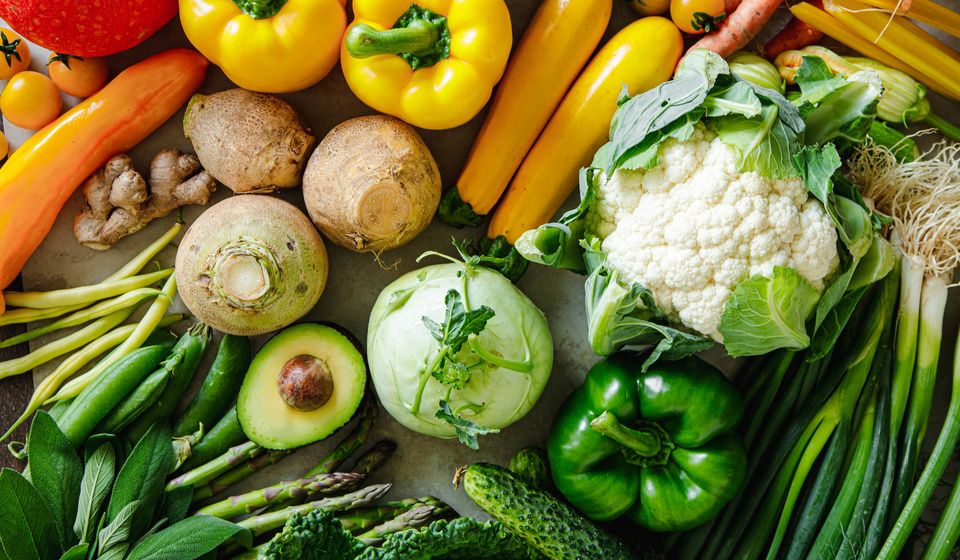
FRESH GARDEN VEGETABLES-2
Jan 12, 2026

Anti-Inflammatory Foods: What to Eat More Of

An anti-inflammatory diet isn’t about chasing superfoods or eliminating everything at once. It’s about shifting daily patterns so your body receives fewer inflammatory signals and more of what supports repair, balance, and resilience. Inflammation responds to repeated inputs—blood sugar swings, oxidative stress, immune activation, gut barrier disruption, and damaged fats—not isolated meals. Food choices work because they change the signaling environment cells live in every day. Research across metabolic, cardiovascular, neurological, and immune systems consistently shows that inflammation is shaped by what we do repeatedly over time. It’s long-term eating patterns, not quick dietary changes, that determine how inflamed or calm the body’s internal environment tends to be.

Read More
ANTI-INFLAMMATORY VEGETABLES-4
Jan 08, 2026

What Inflammation Is and How Food Influences It

Inflammation is one of the body’s most important protective responses, and one of the most misunderstood. Inflammation is not a symptom or a diagnosis, it is a biological signaling process the immune system uses to protect you, repair damage, and restore balance. When inflammation turns on briefly and then resolves, it supports healing. When the signal stays active, or the body can’t complete the resolution phase, this same protective response becomes chronic and quietly damaging. Inflammation is an energy-expensive, chemically coordinated defense response. The immune system turns it on when cells detect danger, and it turns it off once repair is complete. Problems arise when the danger signal is persistent, or the resolution phase fails. That’s when inflammation shifts from helpful to harmful.

Read More
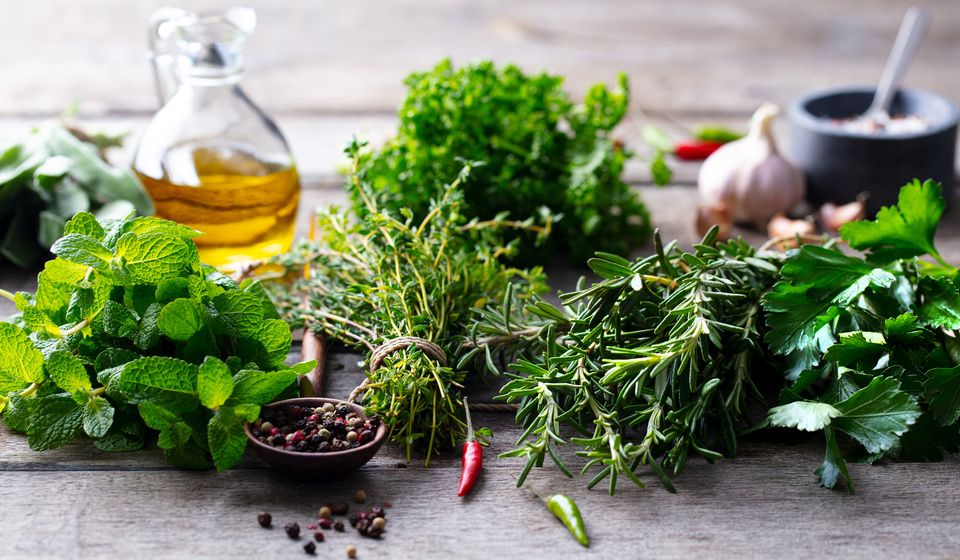
FRESH ANTI-INFLAMMATORY HERBS AND OLIVE OIL
Jan 02, 2026

The Anti-Inflammatory Diet: What You Need to Know

Chronic inflammation sits quietly beneath many modern health challenges. And food is one of the most powerful influences on whether we continue to fuel that internal fire, or help calm it. Inflammation can build for several reasons. It can arise from regularly eating highly processed foods that increase oxidative stress, a state in which free radicals outpace the body’s antioxidant defenses. It can also be driven by chronically elevated blood sugar from excess sugar and refined carbohydrates, which keeps inflammatory hormones and immune messengers turned on. And very often, inflammation is sustained by hidden food sensitivities—when the immune system reacts to certain foods, even ones commonly considered healthy. This is where the Anti-Inflammatory Diet becomes so helpful.

Read More
TULSI HERBAL TEA FLOWERS-1
Nov 18, 2025

Tulsi Tea: A Daily Ritual for Nervous System Resilience

When the body has been under stress for a long time, it doesn’t immediately relax just because the stressor is gone. Cortisol rhythms can remain disrupted, keeping the nervous system in a low-grade state of alert. This is where gentle, consistent signals of safety matter. Tulsi (holy basil) tea is one of those signals. Tulsi has been revered across cultures for centuries, not only as a medicinal herb but as a plant associated with protection, balance, and daily nourishment. Traditionally grown close to the home and prepared as teas or simple extracts, tulsi was used to support resilience—physically, emotionally, and spiritually. This long history of everyday use reflects what modern research now confirms, tulsi gently supports the body’s ability to adapt to stress.

Read More
STRAWBERRIES AND CHAMOMILE-2
Nov 03, 2025

How to Balance Cortisol With Diet

Cortisol often gets labeled as a “stress hormone,” but in a healthy body, cortisol is not the enemy. It’s a guiding hormone. One that helps regulate energy, blood sugar, inflammation, blood pressure, and the sleep–wake cycle. When cortisol follows its natural daily rhythm, mornings feel alert, energy stays steady, and sleep becomes deep and restorative. When the rhythm is disrupted, the body can feel wired at the wrong times and tired when energy is needed. The good news is that cortisol rhythm responds quickly to daily habits—how you eat, sleep, move, manage stress, and expose yourself to light. Small, consistent changes can help bring this rhythm back into balance.

Read More
KETO EGG MUSHROOM BREAKFAST SCRAMBLE-1
Sep 08, 2025

High-Protein Breakfast Ideas for All-Day Energy

Starting your day with enough protein is one of the simplest ways to transform your energy, focus, and mood. When breakfast is mostly carbs (toast, cereal, fruit juice), blood sugar rises quickly and then crashes mid-morning, leaving you tired, foggy, and craving sugar or caffeine. Instead, beginning your day with protein, healthy fats, and fiber slows digestion, keeps blood sugar balanced, and supports a healthy cortisol rhythm—helping you avoid the blood sugar roller coaster that drains your energy. Protein in the morning also provides the amino acids needed to make neurotransmitters like serotonin, dopamine, and GABA, which support focus, mood, and calm energy.

Read More
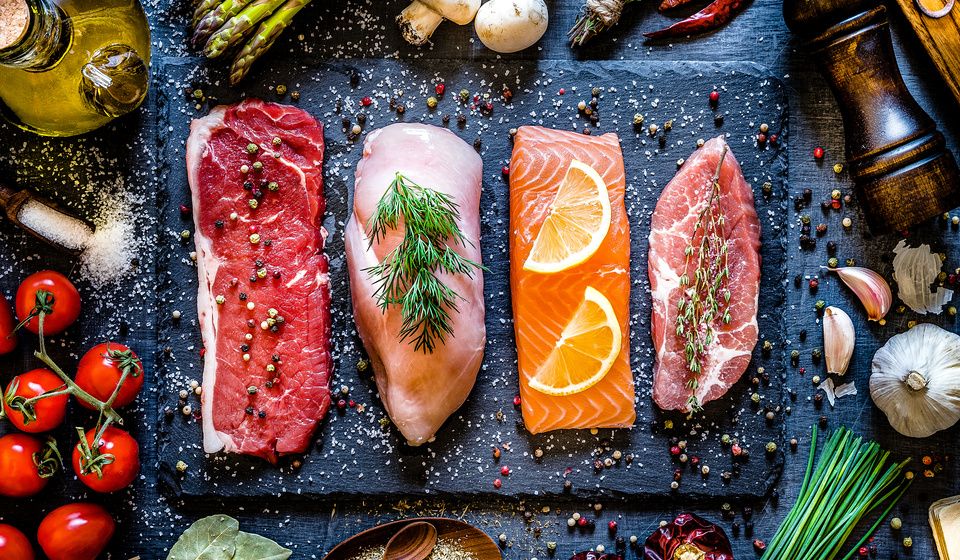
HIGH-PROTEIN ANIMAL FOODS-22
Sep 02, 2025

The Power of Protein for Healing, Energy, and Longevity

Protein is more than fuel for building muscle—it’s the foundation of nearly every healing and maintenance process in the body. Every cell contains protein, and nearly all enzymes and many hormones are made from it. Amino acids, the building blocks of protein, are essential for detoxification, waste removal, muscle repair, neurotransmitter production, and immune function. Without them, your body cannot properly regenerate or stay in balance. When supported by a healthy gut and regulated nervous system, high-quality protein becomes one of the most powerful tools for restoring vitality. Adequate intake ensures your body has the raw materials to build immune cells, create neurotransmitters, and support energy metabolism.

Read More
NOURISHING MEALS NUTRIENT-DENSE MEALS-1
Aug 25, 2025

What Is a Nourishing Meal? Understanding Nutrient Density (Plus Visual Guide)

What really is a nourishing meal? And what does nutrient density mean? Nutrient density is the amount of vitamins, minerals, amino acids, healthy fats, and phytonutrients you receive in each bite of food. Think of refined white bread, sugar, or other processed foods. They pack plenty of calories, but do they actually provide the nutrients your body needs to fuel, repair, and restore itself? A truly nourishing meal gives you both the macronutrients to power your day and the micronutrients to repair, protect, and support your cells. Instead of asking, “Is this food healthy?” try reframing the question to, “Does this meal deeply nourish my body’s needs?”

Read More
CHAMOMILE TEA-1
Aug 17, 2025

Why Gut Function Determines Nutrient Absorption

When we talk about nutrient density, there’s one essential truth. You are not just what you eat…you are what you absorb. Most of us assume that if we fill our plates with nutrient-dense foods, our bodies will automatically use them. But absorption isn’t automatic. Nutrient deficiencies can certainly stem from poor intake, but often more so from impaired digestion and absorption. The gut is not just a passive tube—it’s an intricate, living system that determines whether your food becomes fuel, or simply passes through. Low stomach acid, insufficient digestive enzymes, dysbiosis, leaky gut, or chronic stress can all block the body’s ability to fully access the nutrients in food.

Read More
HOW TO REPLENISH MISSING NUTRIENTS WITH FOOD-1
Aug 04, 2025

How to Replenish Nutrient Deficiencies for Energy, Healing, and Longevity

Feeling drained, struggling to heal, or sensing that your health isn’t where it could be? Your body is not a simple machine that runs on calories—it’s a living web of interdependent systems, running thousands of chemical reactions every second. Every muscle you move, every toxin you clear, every hormone you make, every enzyme that converts food to energy requires a steady supply of vitamins, minerals, amino acids, and healthy fats. Nutrient insufficiencies can lead to low stomach acid and poorer absorption of nutrients from food, sluggish detoxification, disrupted immune balance, unstable blood sugar, and even increased risk for autoimmunity. Replenishing missing nutrients can begin to restore your energy, support healing, and promote long-term health and longevity.

Read More