buckwheat
How to Make Raw Buckwheat Flour
Did you know that buckwheat isn’t technically a grain, but a fruit seed? Despite being commonly grouped with cereal grains due to its similar culinary uses, buckwheat belongs to a completely different botanical family. It’s naturally gluten-free, nutrient-dense, and incredibly versatile—making it a favorite ingredient in whole foods and allergen-friendly kitchens. For over two decades, I’ve used raw, freshly ground buckwheat flour in my gluten-free baking recipes. It’s one of the secret ingredients that gives my baked goods their unique texture, mild flavor, and nutrient boost.
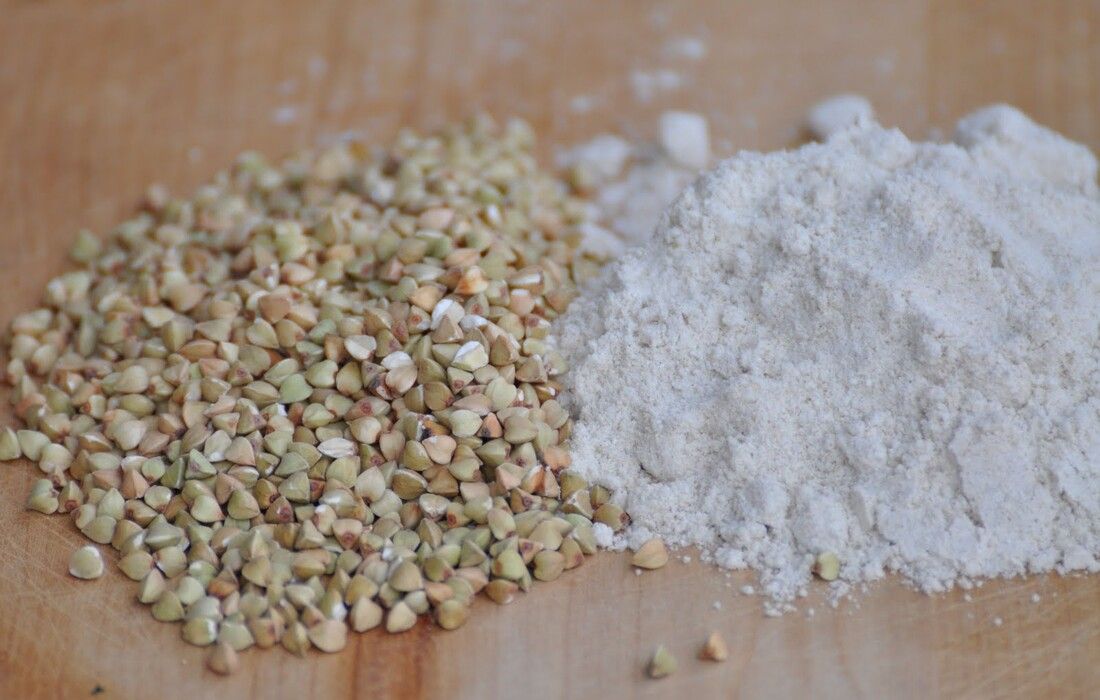
Did you know that buckwheat isn’t technically a grain, but a fruit seed? Despite being commonly grouped with cereal grains due to its similar culinary uses, buckwheat belongs to a completely different botanical family. It’s naturally gluten-free, nutrient-dense, and incredibly versatile—making it a favorite ingredient in whole foods and allergen-friendly kitchens.
For over two decades, I’ve used raw, freshly ground buckwheat flour in my gluten-free baking recipes. It’s one of the secret ingredients that gives my baked goods their unique texture, mild flavor, and nutrient boost. But there’s an important distinction to be aware of: not all buckwheat flour is the same.
Most commercial buckwheat flours found in grocery stores are made from roasted buckwheat groats (often labeled as “kasha”), which gives them a darker color, stronger flavor, and very different baking properties. This type of flour can make your recipes dense, overly bitter, and excessively crumbly.
In contrast, raw buckwheat flour—when freshly ground from unroasted groats—has a much milder flavor and lighter texture. It also acts as a natural binder in gluten-free baking, helping to hold baked goods together without the need for gums or added starches.
That’s why, when I specify raw buckwheat flour in a recipe, I’m referring to flour made from raw, unroasted buckwheat groats—ground fresh at home in a high-speed blender, grain mill, or coffee grinder. This raw flour is lighter in color, more delicate in flavor, and behaves much more predictably in gluten-free baking.
Whether you’re new to gluten-free baking or looking to elevate your current go-to flours, raw buckwheat is a beautiful, grounding addition to your pantry. Let’s dive in.
How to Make Raw Buckwheat Flour:
- Place about 2 cups of raw buckwheat groats into the dry or wet container of your Vitamix or high-powered blender. A coffee grinder works well too (one not used for coffee), however you'll need to process about ⅓ cup at a time.
- Process until a fine flour forms. This can take about two minutes or longer. Pour flour into a large glass jar for storage.
- Repeat process until you have the desired amount of ground buckwheat flour.
Tip: 3 cups of buckwheat groats creates 4 cups of flour.
Health Benefits of Buckwheat:
- It is naturally gluten-free.
- Buckwheat groats are very high in numerous phytonutrients that have antioxidant, anti-inflammatory, anti-cancer, neuroprotective, and immunoregulatory effects.
- More specifically, buckwheat groats are very high in a flavonoid called rutin, which helps to prevent disease through its antioxidant and anti-inflammatory effects.
- Another star phytonutrient found in buckwheat is quercetin. This nutrient helps to regulate immune system functions, protect the liver, reduce inflammation, and act as an antioxidant in the body reducing free radical damage.
- Buckwheat helps to maintain blood glucose levels, and has been shown to be beneficial for diabetics.
- Buckwheat, beans, and nuts are all rich sources of magnesium. Magnesium acts as a cofactor for over 300 enzymes in the human body! All reactions that involve ATP (the energy currency of our cells) depend on magnesium.
Recipes Using Buckwheat Flour:
- Buckwheat Cinnamon Applesauce Bread
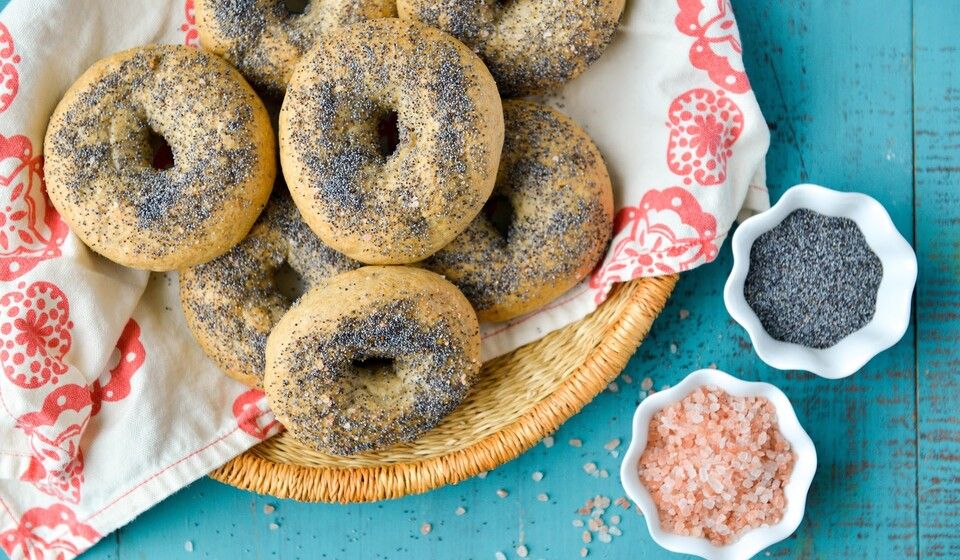
- Buckwheat Cinnamon Raisin Bagels
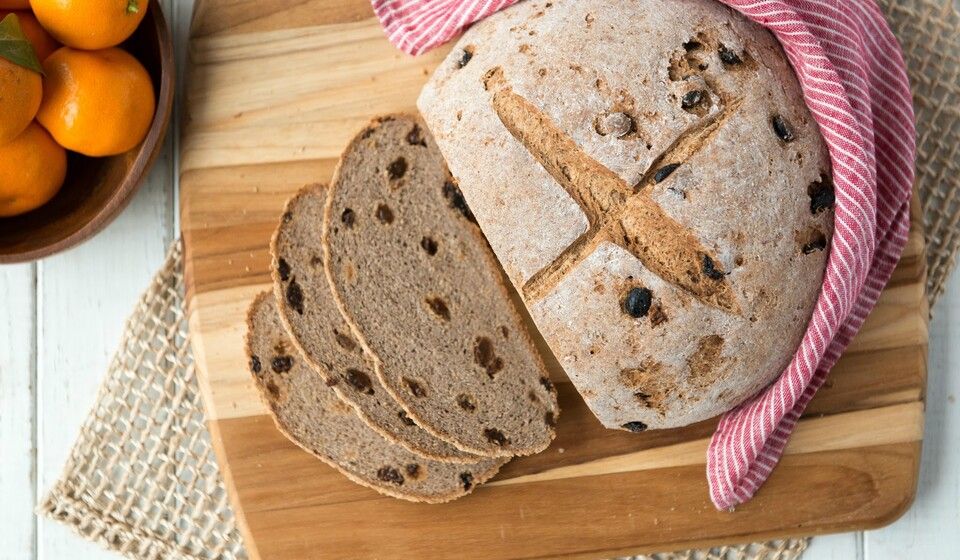
- Buckwheat Cinnamon Raisin Bread
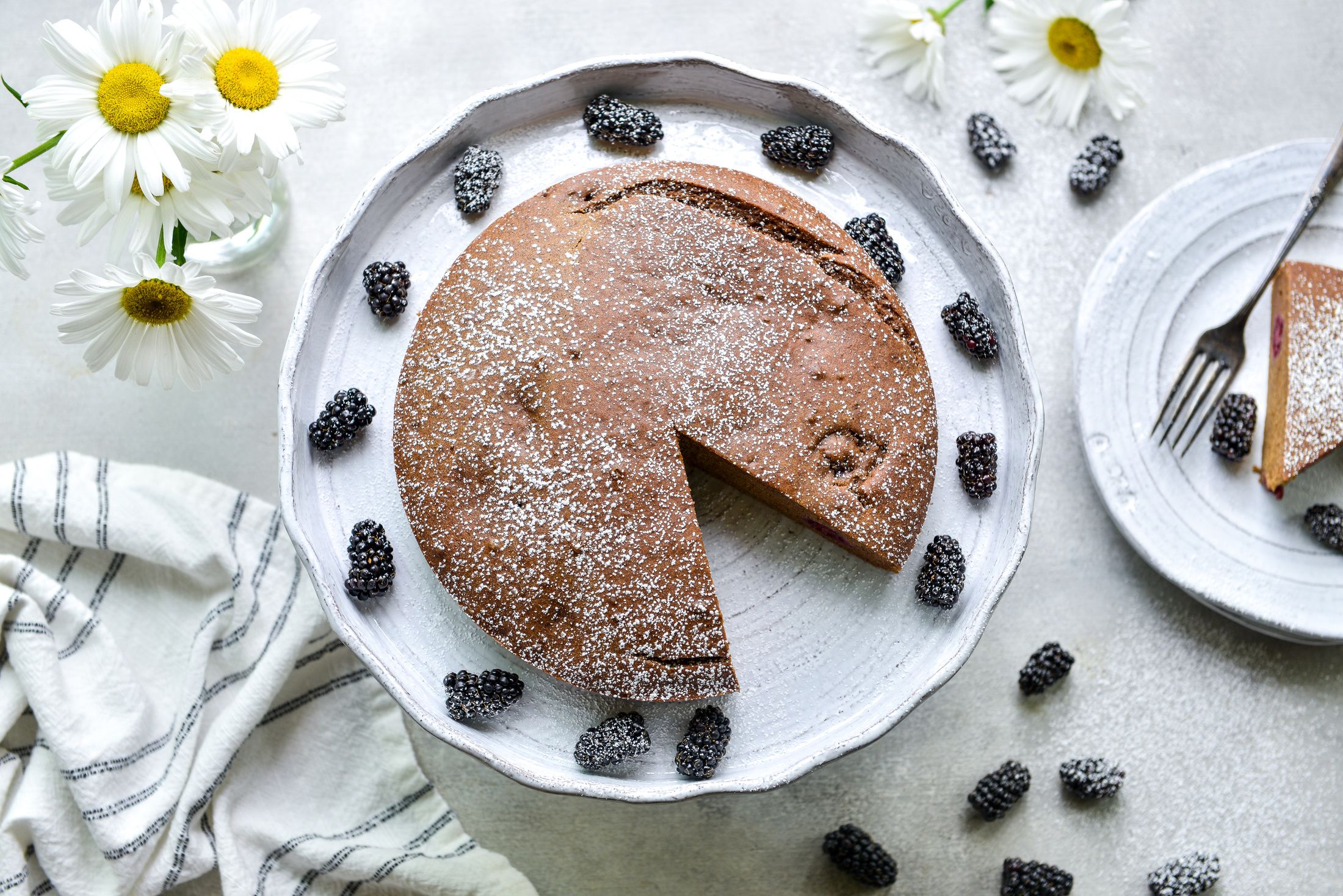
- Blackberry Buckwheat Olive Oil Cake
- Banana Buckwheat Muffins
- Buckwheat Baguettes
- Carrot Raisin Buckwheat Muffins
- Gluten-Free Shortbread Cookies
- Yeast-Free Buckwheat Pizza Crust
- Buckwheat Hazelnut Pancakes
Want to explore the magic of raw buckwheat flour in your own kitchen?
Gain instant access to all the recipes mentioned above—plus many more gluten-free, nutrient-dense creations inside the Nourishing Meals® member platform. From pancakes and muffins to savory flatbreads and cookies, you’ll discover new ways to bake with intention and joy.
✨ Join today to unlock meal plans, customizable shopping lists, and a library of therapeutic recipes designed to support your health—one nourishing choice at a time.
Start your free 7-day trial now and begin baking with confidence!
 More about Alissa
3 Comments
Read commentsI see the buckwheat pictured looks hulled. Have you ever ground whole buckwheat groats in the Vitamix?
I can't believe raw buckwheat flour isn't used more in gluten-free baking, since it has somewhat of a binding/thickening property. Most recipes call for thoroughly rinsing the groats first: should they be rinsed then dehydrated, or do you find the rinsing step necessary?

can you use buckwheat kasha…
can you use buckwheat kasha to make flour?
the recipes for flour are great