Unlocking Your Health: Using Nourishing Meals® to Successfully Implement an Elimination Diet (video)
Ali Segersten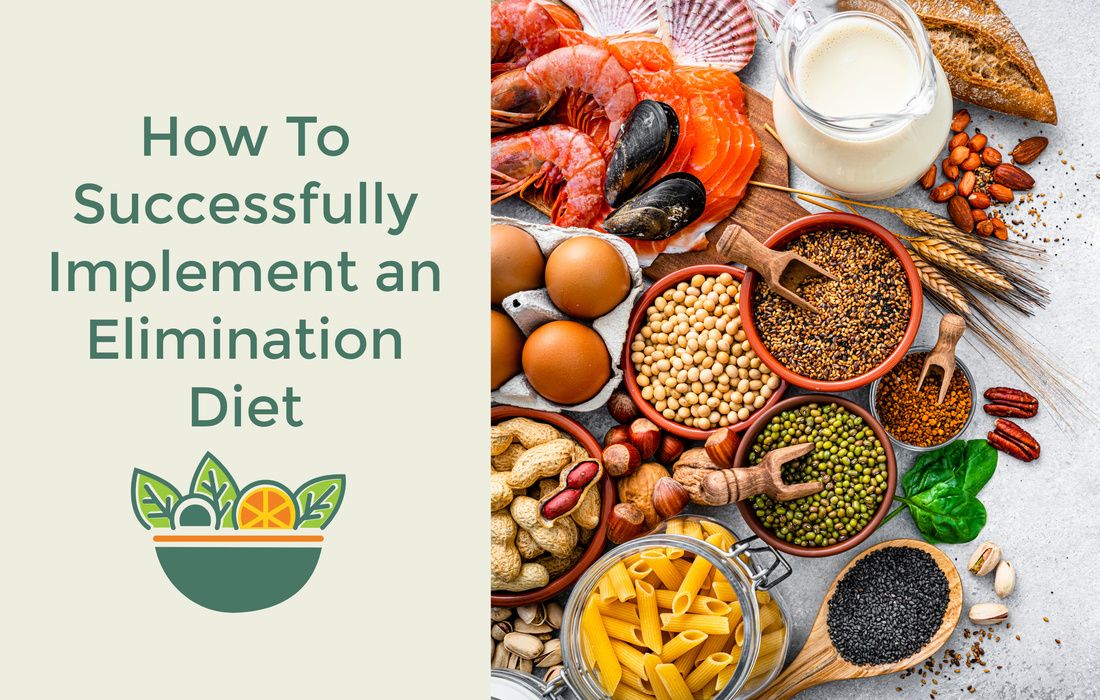
If you’ve ever struggled with chronic symptoms—digestive discomfort, brain fog, fatigue, joint pain, skin issues, or any number of persistent health concerns—you may have wondered whether the foods you eat are playing a role. The truth is, what you put on your plate can either nourish your body or contribute to inflammation and imbalance. This is where an elimination diet becomes a powerful tool for self-discovery and transformation.
What Is an Elimination Diet?
An elimination diet is a structured, short-term dietary protocol that helps identify food triggers that may be causing inflammation or adverse reactions in the body. By removing common food irritants—such as gluten, dairy, corn, soy, refined sugars, eggs, nightshades, and other potential culprits—you allow your body to heal and reset. After a period of elimination, foods are systematically reintroduced to determine which ones work for you and which ones might be causing issues.
This process isn’t about restriction; rather, it’s about empowerment. By tuning into your body’s unique needs, you gain clarity and control over your health. Many people experience profound changes—clearer skin, improved digestion, increased energy, better mood, and even relief from chronic conditions.
How Nourishing Meals® Can Help You Succeed
Embarking on an elimination diet can feel overwhelming at first—figuring out what to eat, ensuring balanced nutrition, and staying motivated are all key factors in success. This is where Nourishing Meals® becomes an invaluable tool in your journey.
With our membership, you gain access to:
- Over 70 dietary filters to help you find recipes that fit your specific elimination diet.
- Nutrient-dense, delicious recipes that make eating whole foods easy and enjoyable.
- Meal planning tools to take the guesswork out of shopping and meal prep.
- A structured approach to help you navigate the elimination and reintroduction phases seamlessly.
How Food Triggers the Immune System and Impacts Longevity
Certain foods can activate the immune system, leading to chronic inflammation and the development of persistent health issues. When we consume foods that our body perceives as threats—whether due to sensitivities or an underlying immune imbalance—our immune system responds by turning on inflammatory pathways. This constant state of inflammation can contribute to premature aging, fatigue, pain, and an increased risk of chronic diseases.
By removing the foods that are overstimulating the immune system, you allow your body to shift into a state of healing and renewal. This not only reduces symptoms but also unlocks your potential for longevity and youthfulness. Many people who undergo elimination diets report improved skin elasticity, better cognitive function, enhanced energy, and a deep sense of vitality. When inflammation is controlled, the body can focus on repair and regeneration—key components in slowing down the aging process and optimizing long-term health.
Different Types of Elimination Diets
To learn more about the different types of Elimination Diets for different health needs, click here.
- Basic Elimination Diet: Removes the most common inflammatory foods for 4 to 6 weeks before reintroducing them one at a time.
- Full Elimination Diet: Removes everything the standard elimination diet excludes but also eliminates pork, beef, citrus, nightshades, sesame, sugar, tree nuts and peanuts, chocolate, and caffeine.
- Six Food Elimination Diet: Often used for eosinophilic esophagitis (EoE); removes the top six allergens.
- Autoimmune Protocol (AIP): Designed for those with autoimmune diseases, this approach eliminates potential immune system triggers and focuses on nutrient-dense healing foods.
- Low-FODMAP Diet: Ideal for individuals with IBS or digestive disorders, this diet removes fermentable carbohydrates that contribute to bloating and discomfort.
- Anti-Candida Diet: Targets fungal overgrowth by eliminating sugars, grains, and yeast-containing foods.
- Low-Histamine Diet: Beneficial for individuals sensitive to histamines found in certain aged, fermented, or processed foods.
- Gluten-Free + Dairy-Free Diet: Eliminates all sources of gluten, commonly followed by individuals with celiac disease or gluten sensitivity; and removes all dairy products, ideal for those with lactose intolerance or dairy protein sensitivities.
- Other Specialized Diets: Such as low-oxalate, Specific Carbohydrate Diet (SCD), or paleo-based diet, or the SIBO Specific Diet can be used for different health issues.
The Power of Food in Transforming Your Life
When you eliminate the foods that are triggering your symptoms and then carefully reintroduce them, you get to experience firsthand what works for your body. This self-awareness is life-changing. I’ve seen it time and time again, not just in others, but in my own journey as well. Knowing which foods support my health and which ones don’t has given me the freedom to live fully and vibrantly without nagging symptoms holding me back.
Nourishing Meals® is here to guide and support you through this process with delicious meals, expert resources, and a compassionate community. Whether you’re beginning your elimination diet or refining your long-term eating habits, this journey is about rewriting the story of your health—reclaiming vitality, clarity, and abundance in your life. Curious about joining? Check out our membership options here.
I wish you the greatest success in your elimination diet and the most vibrant health ahead! ✨💛

About the Author
Alissa Segersten, MS, CN
Alissa Segersten, MS, CN, is the founder of Nourishing Meals®, an online meal-planning membership with over 2,000 nourishing recipes and tools to support dietary change and better health. As a functional nutritionist, professional recipe developer, author of The Whole Life Nutrition Cookbook and Nourishing Meals, and co-author of The Elimination Diet, she helps people overcome health challenges through food. A mother of five, Alissa understands the importance of creating nutrient-dense meals for the whole family. Rooted in science and deep nourishment, her work makes healthy eating accessible, empowering thousands to transform their well-being through food.Nourishing Meals Newsletter
Email updates.






Add Comment