Replenish What You've Been Missing: The Healing Power of Hydration
Ali Segersten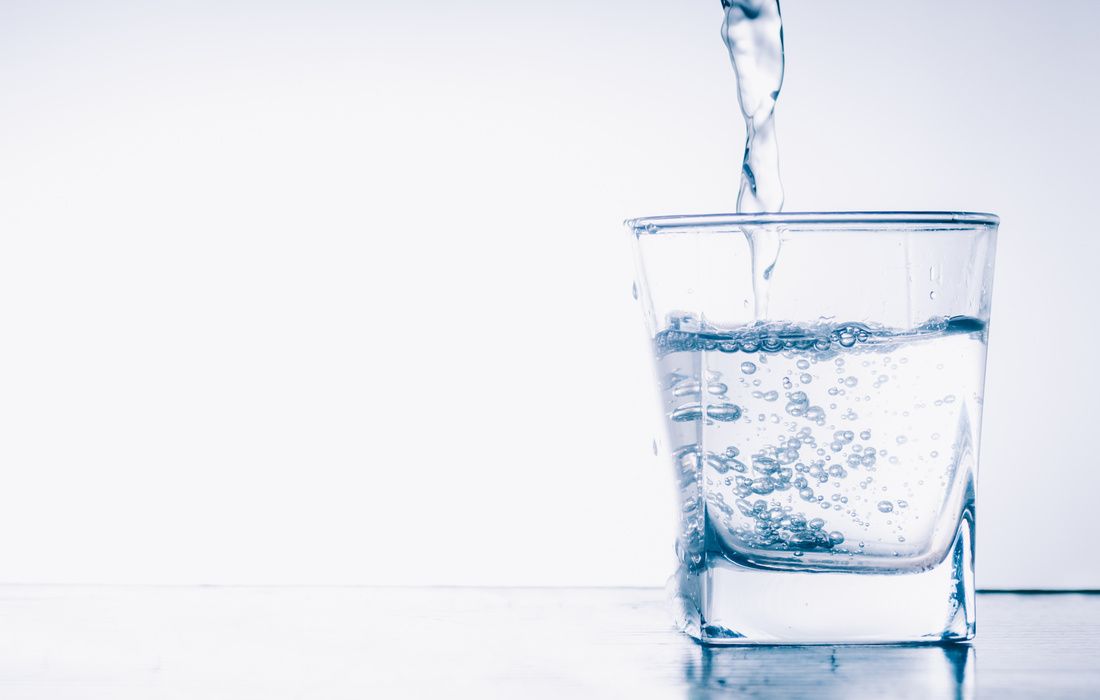
When we think about detoxification, we often jump to supplements, superfoods, or strict protocols. But one of the most profound, and often overlooked, ways to support your body’s natural detox pathways is also the most elemental: water.
Water is not just a vehicle for hydration. It’s a solvent, a transporter, and a cleansing force that touches every cell, every organ, every process of renewal within you. Without adequate hydration, your liver, lymph, kidneys, colon, and skin cannot properly do their work of releasing what no longer belongs.
Yet many of us walk through our days dehydrated—reaching for caffeine instead of mineral-rich water, sipping chlorinated tap water that adds to our toxic burden instead of lightening it, and ignoring the body’s thirst signals until they become fatigue, headaches, or cravings.
Why Hydration Matters for Detox
Your body is continuously working to eliminate internal and external toxins—from cellular waste products to environmental pollutants. This detoxification depends on water in several key ways:
- Kidneys require water to filter blood and excrete waste through urine
- Lymphatic fluid, which helps clear cellular debris and immune byproducts, is 96% water
- Bile, crucial for fat-soluble toxin removal, becomes thick and sluggish when you're dehydrated
- Colon transit slows down, allowing toxins to be reabsorbed when water is lacking
- Skin eliminates toxins via sweat, but without hydration, this pathway stalls
Even mild dehydration can impair these systems—leading to sluggish detoxification, increased inflammation, and fatigue.
What’s in Your Water?
The quality of your water matters just as much as the quantity.
Municipal tap water, while treated for pathogens, often contains residues that can tax your system over time—such as:
- Chlorine and chloramines
- Pesticide runoff
- Heavy metals like lead and arsenic
- Microplastics
- Trace pharmaceutical drugs
Drinking this water daily—especially during a healing phase—can increase your toxic load rather than help release it.
Choose Clean Water:
Whenever possible, opt for:
- Spring water from a verified clean source
- Filtered water using a high-quality system (gravity-fed filters, reverse osmosis with remineralization, or multi-stage carbon filtration)
Avoid drinking from plastic bottles long-term, especially when exposed to heat. Glass or stainless steel containers are best for daily use.
How Much Water Do You Need?
While the “8 glasses per day” rule is a helpful baseline, hydration needs vary based on your body size, climate, activity level, and diet.
A more personalized guideline:
- Drink half your body weight in ounces daily (e.g., 150 lbs = 75 ounces/day)
- Add more if you sweat regularly, live at altitude, or consume caffeine or alcohol
You can also support hydration by eating water-rich foods like cucumbers, celery, citrus fruits, leafy greens, and berries—especially when paired with mineral-dense sea salt or potassium-rich foods like avocados and coconut water.
Do You Need Electrolytes?
If you’ve ever felt like you’re drinking plenty of water but still feeling tired, lightheaded, or dry—it may not be a lack of fluid, but a lack of electrolytes.
Electrolytes—especially sodium, potassium, and magnesium—help your body retain water where it’s needed, regulate nerve and muscle function, and support true cellular hydration. Without them, water may pass right through your system without actually nourishing your cells.
This becomes especially important if:
- You’re drinking large amounts of water
- You follow a low-salt or plant-based diet
- You sweat heavily or exercise regularly
- You’ve recently detoxed from sugar, caffeine, or alcohol
- You’re transitioning into a healing phase and rebuilding your mineral reserves
How to Replenish Electrolytes Naturally:
- Add a pinch of sea salt or Celtic salt to your water
- Include potassium-rich foods like avocado, coconut water, citrus, and leafy greens
- Try homemade electrolyte drinks using lemon, sea salt, and a splash of pure maple syrup
- Use a clean electrolyte powder or packet free from artificial sweeteners and dyes (look for brands with balanced sodium–potassium–magnesium ratios)
- Every morning upon wakening, try drinking a 12-ounce glass of pure water with an added electrolyte powder (I do this every morning)
Tip: Sip electrolyte-rich water slowly throughout the day to support sustained hydration.

Hydration as a Sacred Daily Ritual
Drinking water isn’t just a physical act, it’s an invitation to return to yourself. Every sip can be a reminder that you are worth nourishing. That your body is worthy of tending to.
Let hydration be one of your anchors this month. A way to replace depletion with renewal. A way to honor your body’s wisdom. A way to start your day, every day, with care.
Tip: Every night before bed, I fill a 16-ounce glass of filtered water and place it beside my bed. As soon as I wake up, I drink it—before stepping into the day. It's one of the simplest ways to reawaken your system and remind your body that you're ready to begin again.
Keep Going on Your Detox Journey
Hydration is just one part of a larger rhythm of renewal. If you're feeling inspired to go deeper, here are a few next steps to explore:
Gift #6: Replace What’s Missing →
Discover this month’s theme in our 12 Gifts of Health journey—what to remove, what to replenish, and how to support your body through healing transitions.
What Is a Detoxification Diet? →
Learn how targeted nutrition, phytonutrients, and lifestyle upgrades can enhance your body’s natural detox pathways—one choice at a time.
Blue Spirulina Electrolyte Drink →
Try my vibrant, mineral-rich drink that supports hydration, mitochondrial function, and cellular renewal—perfect for summer days and detox support.
Buy a Simple Water Filter →
Choose a gravity-fed countertop filter to reduce contaminants and restore clean, mineral-balanced water to your daily routine.

About the Author
Alissa Segersten, MS, CN
Alissa Segersten, MS, CN, is the founder of Nourishing Meals®, an online meal-planning membership with over 2,000 nourishing recipes and tools to support dietary change and better health. As a functional nutritionist, professional recipe developer, author of The Whole Life Nutrition Cookbook and Nourishing Meals, and co-author of The Elimination Diet, she helps people overcome health challenges through food. A mother of five, Alissa understands the importance of creating nutrient-dense meals for the whole family. Rooted in science and deep nourishment, her work makes healthy eating accessible, empowering thousands to transform their well-being through food.Nourishing Meals Newsletter
Email updates.


Add Comment