Seed-Free
Seeds are often considered small additions to meals—sprinkled onto salads, blended into smoothies, or baked into breads and snacks. Yet despite their size, they are highly concentrated foods, rich in fats, proteins, and bioactive compounds.
For some individuals, removing seeds creates a noticeable shift in how the body feels—less digestive irritation, reduced immune reactivity, or a calmer overall system. These responses may reflect sensitivity to specific seed proteins, difficulty digesting concentrated fats, or cross-reactivity with other plant-based foods.
A Seed-Free Diet removes all edible seeds and seed-derived ingredients. Whether used as part of an elimination protocol or for targeted sensitivity support, it offers a focused way to observe how these concentrated plant foods interact with the body.

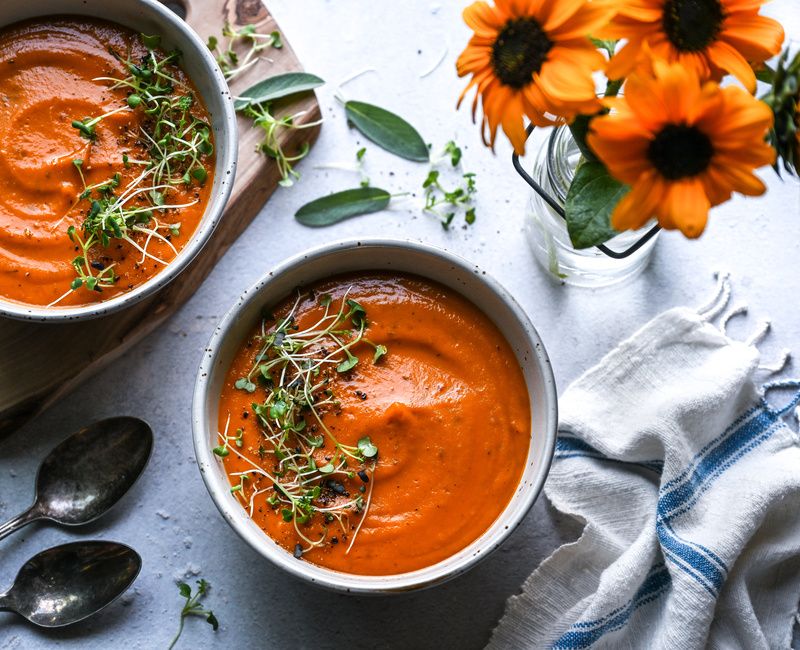
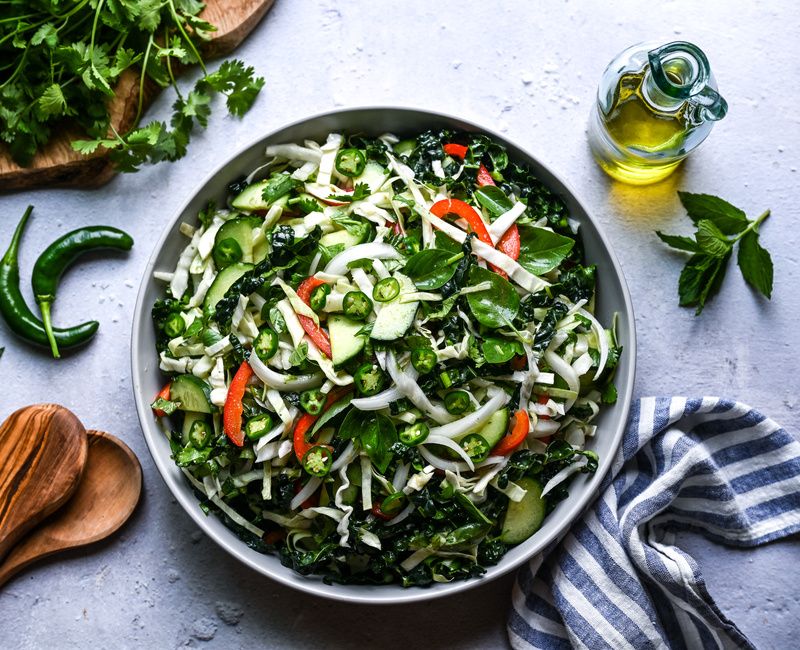
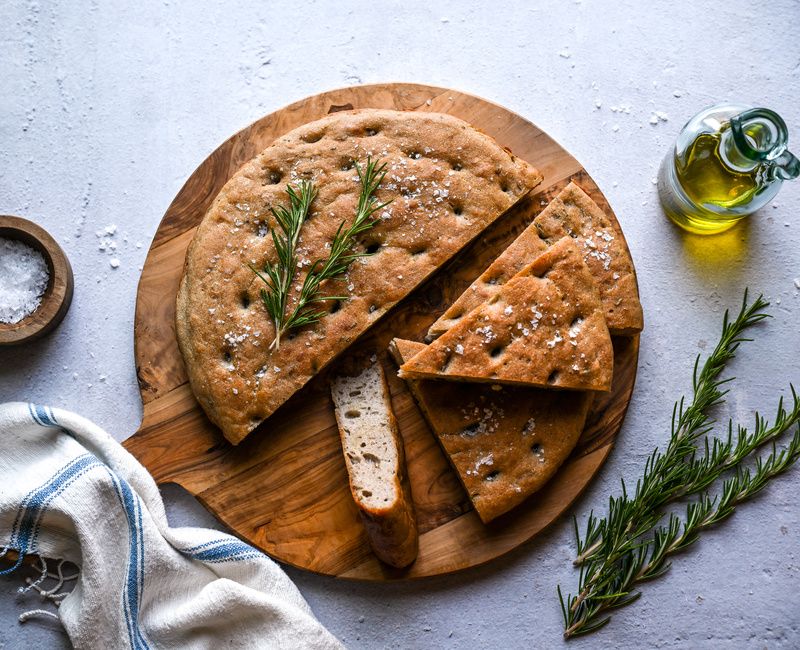
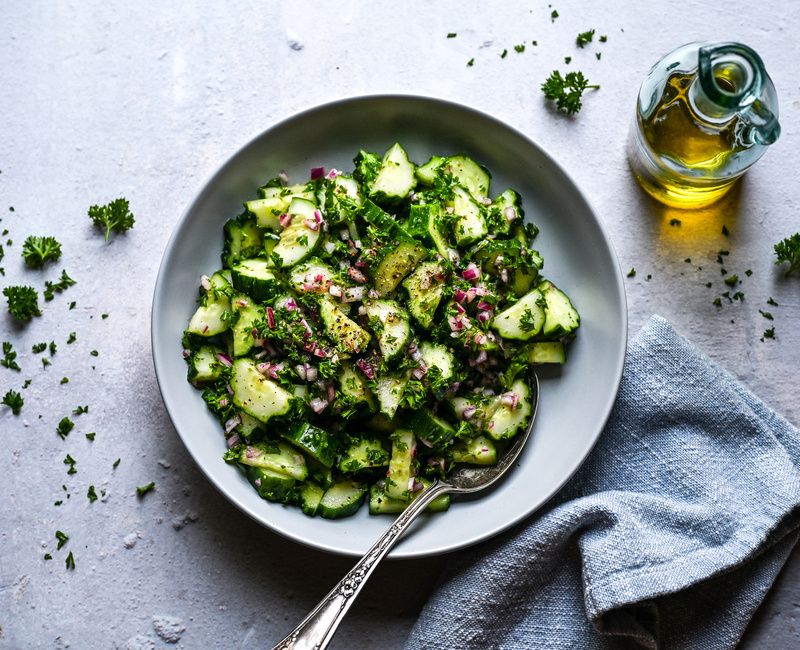
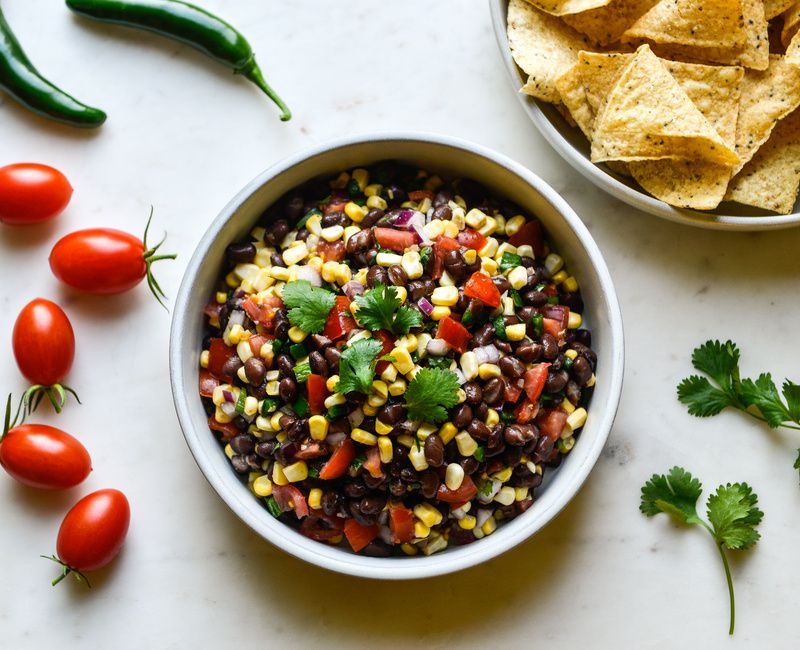
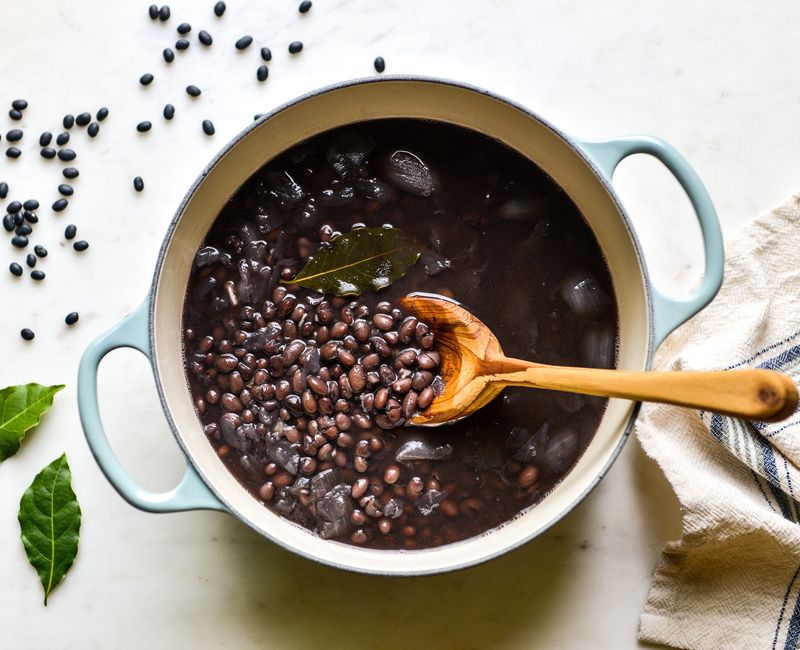
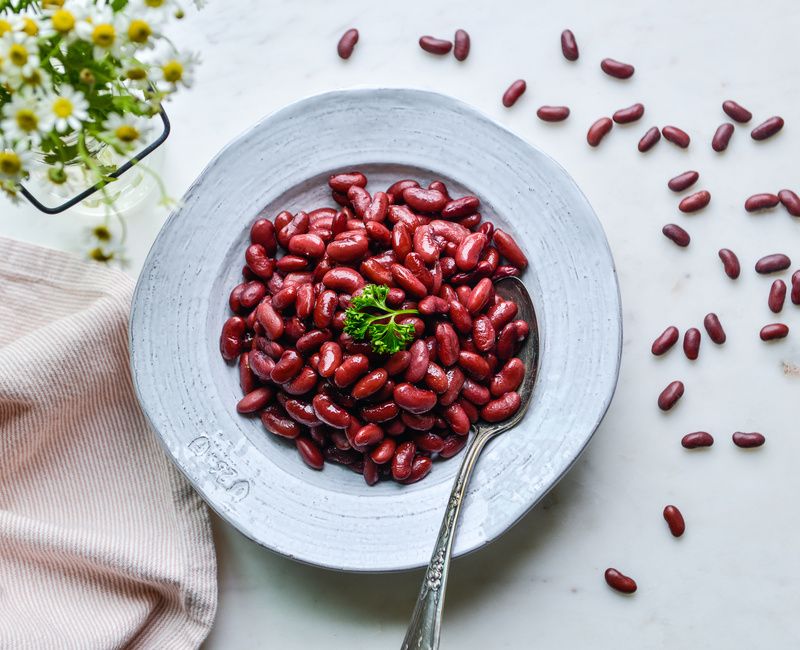
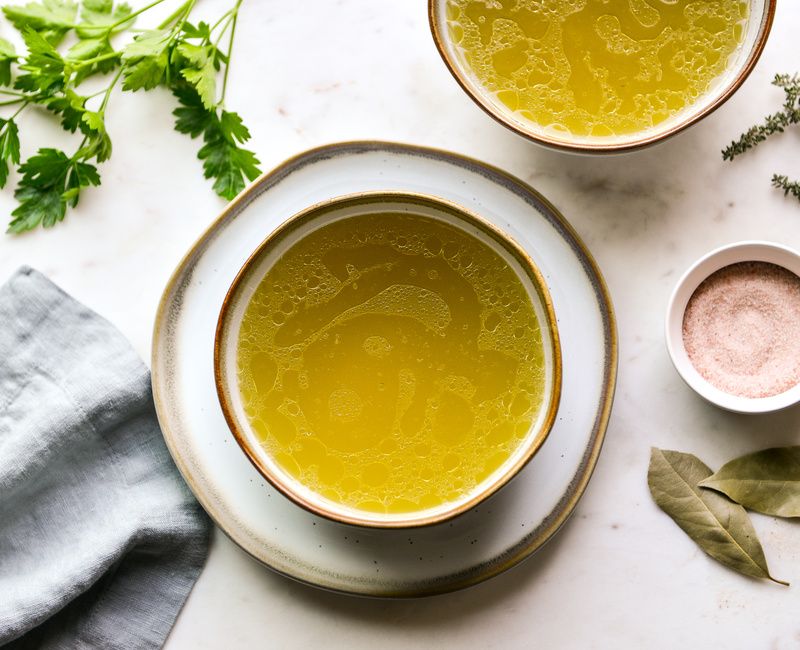
Latest IFM Core Food Plan Recipes

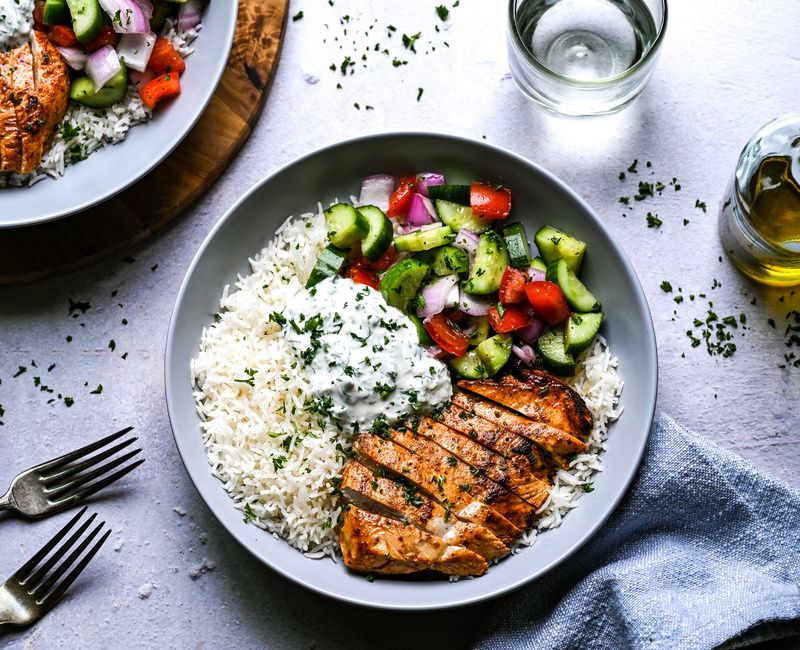
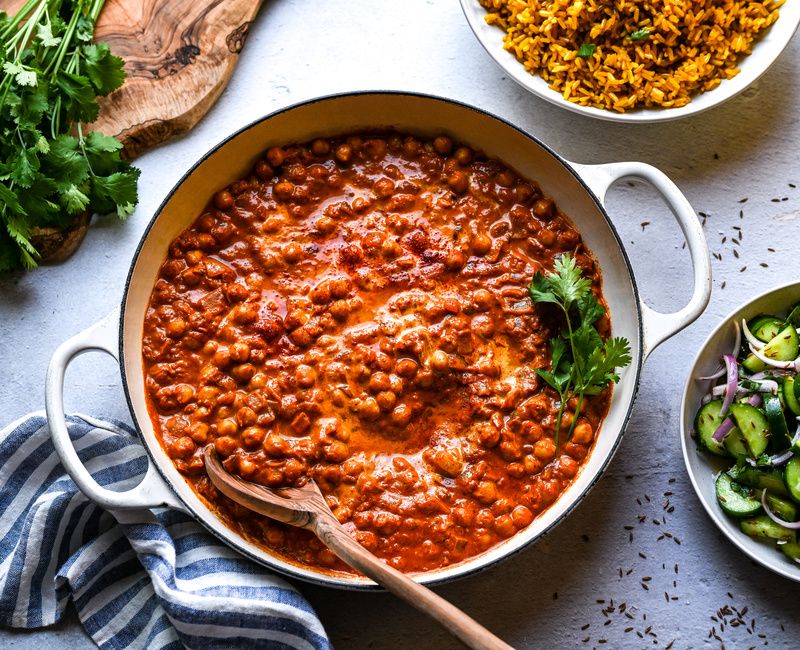

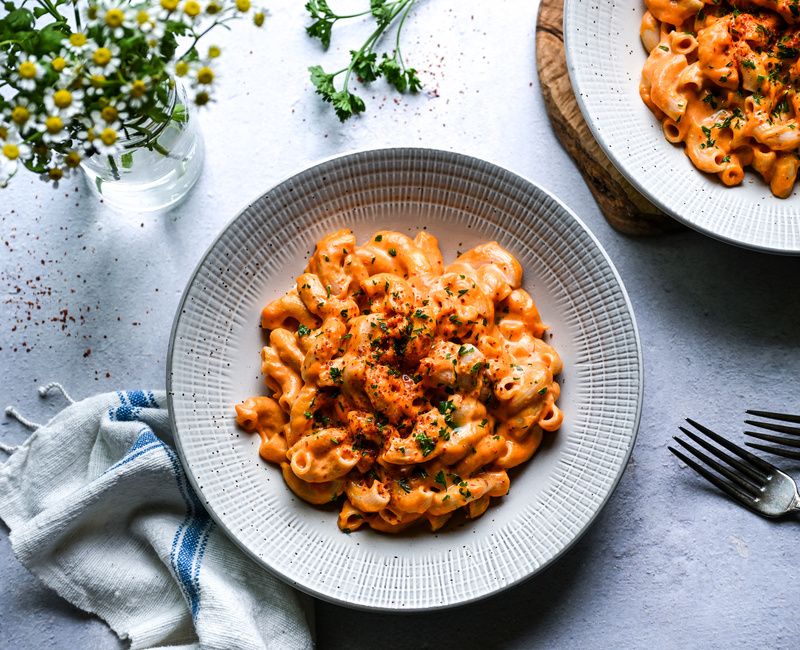
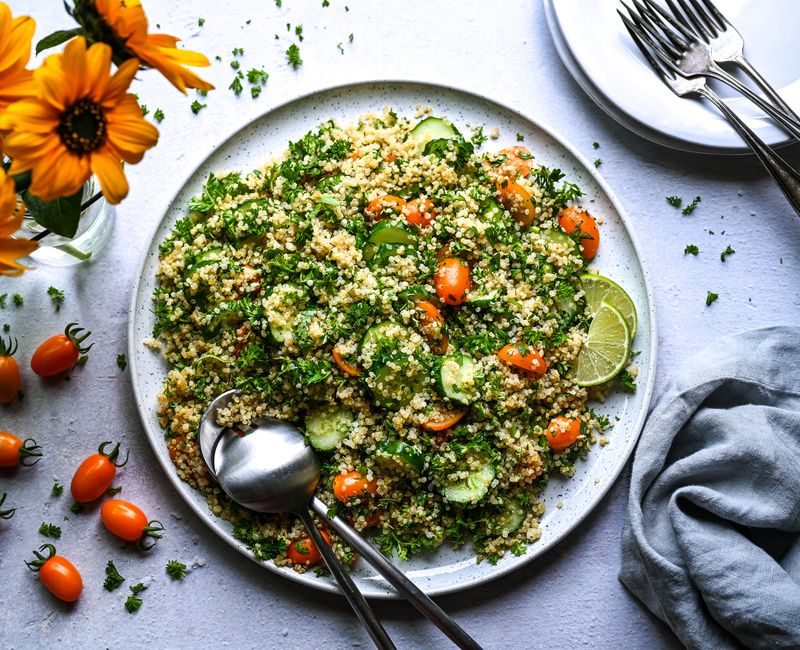

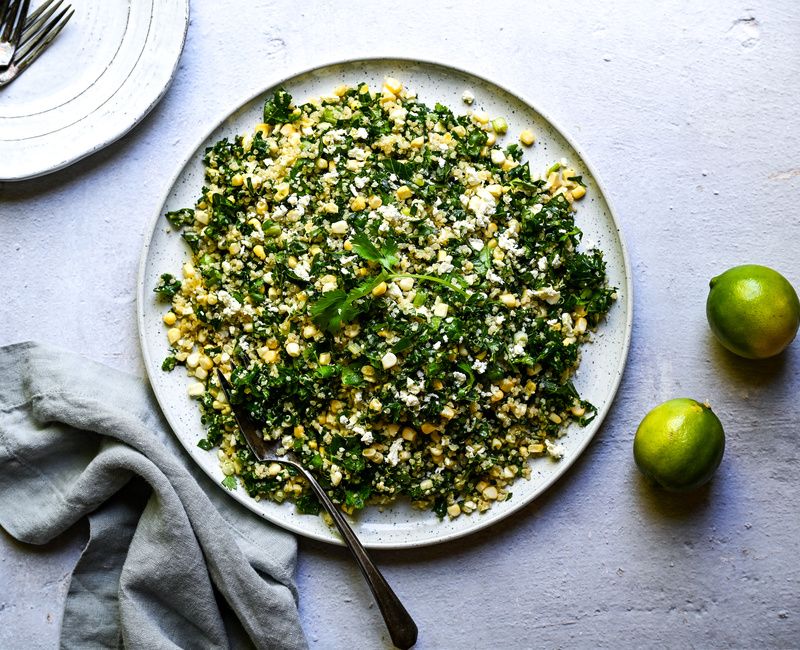
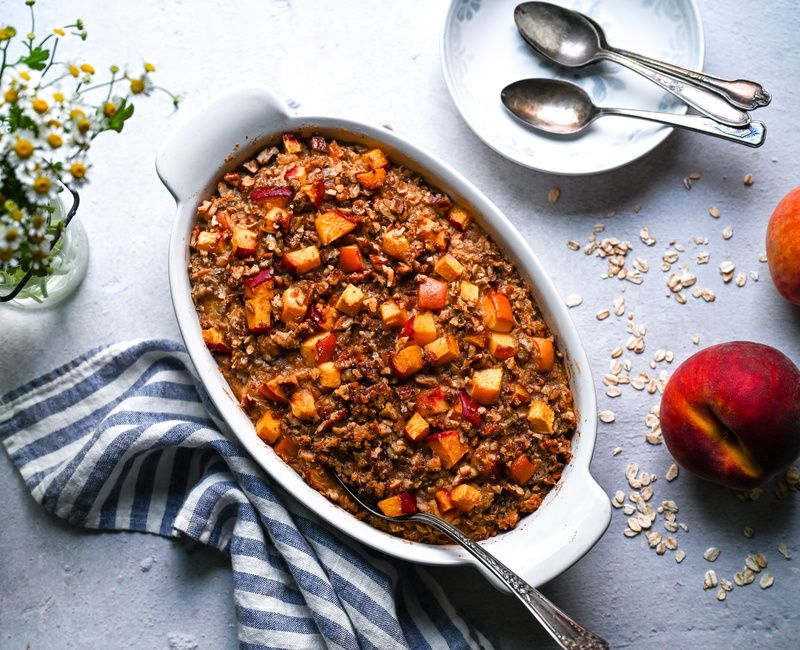


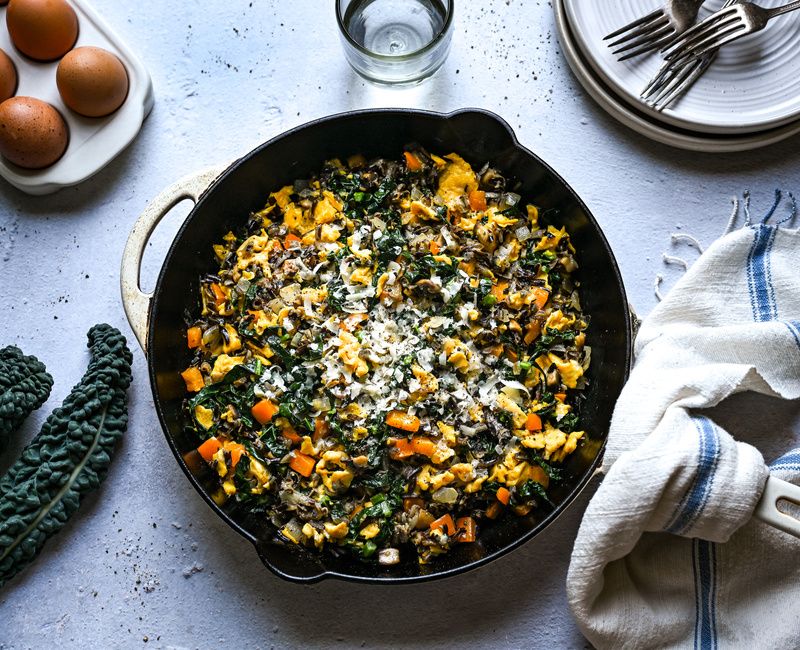
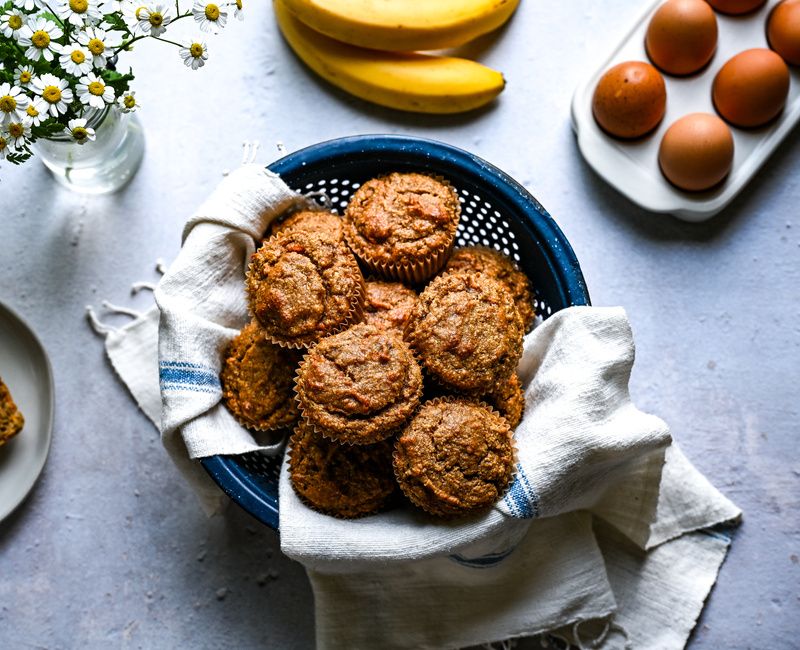






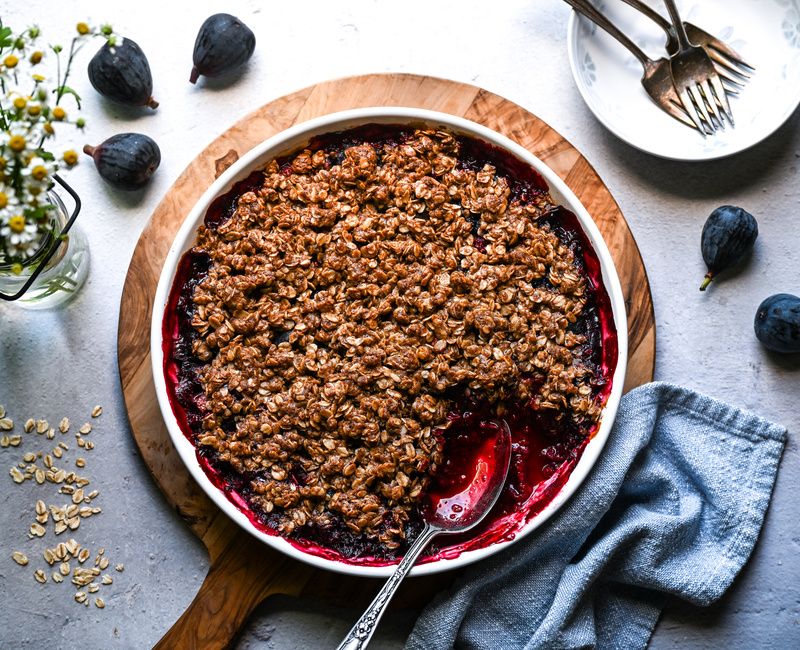
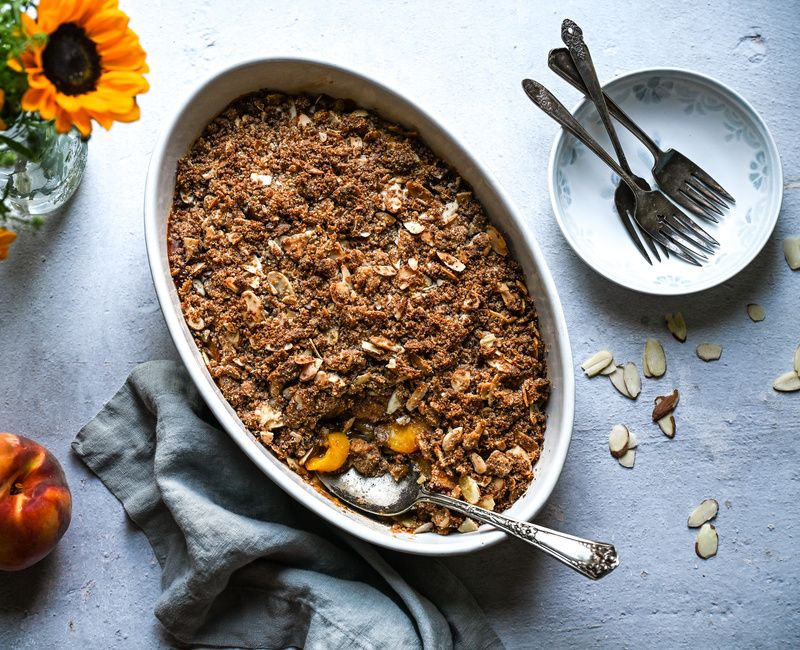

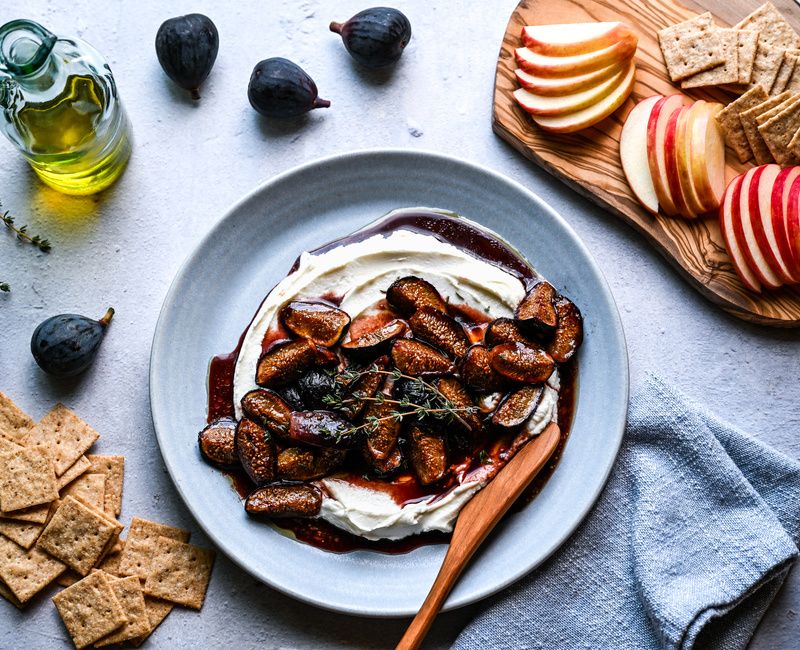
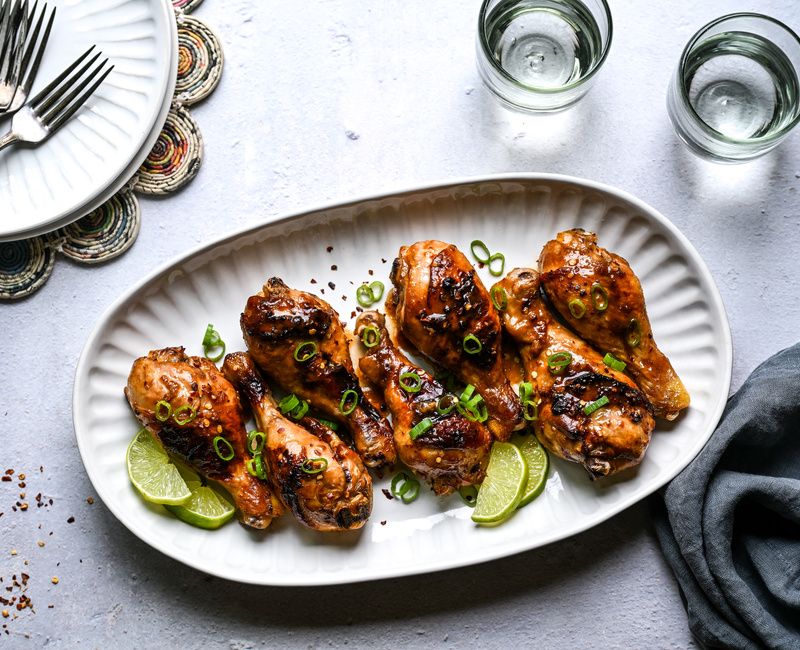








What Is a Seed-Free Diet?
A Seed-Free Diet removes all edible seeds and seed-derived ingredients, including both commonly recognized seeds and those used in oils, spices, and processed foods.
Seeds contain concentrated stores of energy for plant reproduction, including storage proteins, lectins, and polyunsaturated fats. These compounds serve protective functions for the plant but may interact with the human digestive and immune systems in different ways. For some individuals, seed proteins can trigger immune responses, including IgE-mediated allergy in the case of seeds such as sesame. These reactions may range from mild to severe.
In other cases, seeds may contribute to symptoms through non-allergic mechanisms. Their high fat content and bioactive compounds may be more difficult to digest for some individuals, particularly those with compromised digestive function or increased intestinal permeability.
In a therapeutic context, removing seeds can reduce overall dietary load and potential immune triggers. After a period of elimination, individuals may choose to reintroduce specific seeds gradually to assess tolerance.
Common Seeds:
- Sesame
- Sunflower
- Pumpkin
- Flax
- Chia
Other Seeds Often Overlooked:
- Poppy seeds
- Mustard seeds
- Hemp seeds
- Caraway, cumin, fennel (culinary seeds/spices)
Seed-Derived Ingredients:
- Tahini (sesame paste)
- Seed oils (sunflower, sesame, etc.)
- Seed butters
Who Is the Seed-Free Diet For?
This diet may be supportive if you:
- Have a diagnosed seed allergy (such as sesame)
- Experience digestive discomfort after consuming seeds
- Notice skin reactions or inflammation
- Are following the Autoimmune Protocol
- Have multiple food sensitivities or cross-reactivities
How Does the Seed-Free Diet Work?
Removing seeds eliminates exposure to proteins and compounds that may trigger immune or digestive responses.
This can help:
- Reduce immune activation
- Support gut healing
- Decrease overall dietary load
- Clarify food sensitivities
A Note on Seed Allergies and Cross-Reactivity
Seed allergies are becoming more recognized, with sesame now classified as a major allergen in many countries.
Research shows:
- Individuals with sesame allergy are significantly more likely to also react to certain tree nuts
- Some seed proteins (such as storage proteins and lipid transfer proteins) can trigger strong immune responses, including anaphylaxis
Additionally, cross-reactivity may occur between:
- Seeds and tree nuts
- Seeds and peanuts
- Seeds and certain plant foods
This means removing seeds can sometimes reduce the overall “immune load” in sensitive individuals.
Foods to Eat on a Seed-Free Diet
Proteins:
- Poultry
- Fish and seafood
- Beef
- Lamb
- Bison
- Eggs
- Legumes (if tolerated)
Vegetables:
- All fresh vegetables (excluding seed spices if sensitive)
Fruits:
- All fresh fruits
Healthy Fats:
- Olive oil
- Coconut oil
- Avocado oil
- Butter or ghee (if tolerated)
- Avocados
Grains (If Included):
- Rice
- Quinoa
- Millet
- Buckwheat
- Gluten-free oats
Foods to Avoid on a Seed-Free Diet
- Sesame, sunflower, pumpkin, flax, chia
- Poppy seeds, mustard seeds, hemp seeds
- Seed oils (sunflower oil, sesame oil, etc.)
- Tahini and seed butters
Benefits of a Seed-Free Diet
- Reduced immune reactivity
- Improved digestive comfort
- Support for individuals with multiple food sensitivities
- Greater clarity around inflammatory triggers
Challenges and Considerations
- Seeds are widely used in “healthy” foods
- Hidden in oils, dressings, and baked goods
- Some spices may need to be avoided
How Do I Start a Seed-Free Diet?
- Sign up to become a Nourishing Meals® member.
- Select “Seed-Free” in your Nourishing Meals® diet profile
- Build meals using whole-food ingredients
- Replace seed oils with stable fats like olive oil, avocado oil, or coconut oil
- Track your body’s response