








Rice-Free

Rice is often considered one of the most gentle and widely tolerated grains, forming the foundation of many traditional diets around the world. It is commonly recommended during healing phases for its simplicity and digestibility, and it frequently appears in gluten-free and elimination-style eating patterns.

Yet for some individuals, removing rice creates a noticeable shift—less bloating, improved energy, clearer skin, or a greater sense of lightness after meals. In these cases, rice may be contributing to digestive imbalance, blood sugar fluctuations, or sensitivity to certain compounds within the grain.

A Rice-Free Diet removes all forms of rice and rice-derived ingredients. For some, this is a temporary strategy to better understand individual tolerance. For others, it becomes a longer-term approach to support metabolic balance, digestive comfort, and overall well-being.

DAIRY-FREE GRAIN-FREE NUT-FREE AIP TURKEY MUSHROOM STROGANOFF

What Is a Rice-Free Diet?

A Rice-Free Diet removes all varieties of rice and ingredients derived from rice. This includes both whole grain and processed forms.

Rice belongs to the species Oryza sativa (and Oryza glaberrima in African varieties) and is composed primarily of carbohydrates, with smaller amounts of protein and minimal fat.

While rice is often well tolerated, several factors may contribute to sensitivity:

  • High glycemic impact, especially with white rice
  • Digestive responses to starch structure, particularly in individuals with dysbiosis
  • Immune sensitivity, though less common than with gluten-containing grains

Brown rice contains more fiber and nutrients but also higher levels of naturally occurring compounds such as phytic acid, which can affect mineral absorption in some individuals.

A Rice-Free Diet removes all forms of rice to reduce these potential stressors and create clarity around how the body responds.


Who Is the Rice-Free Diet For?

This diet may be supportive if you:

For digestive or metabolic reasons:

  • Experience bloating or heaviness after eating rice
  • Notice blood sugar swings or energy crashes after rice-based meals
  • Feel better limiting high-starch grains
  • Have dysbiosis or microbial imbalance

For therapeutic exploration:

  • Are not seeing improvement on a gluten-free or elimination diet that includes rice
  • Want to diversify carbohydrate sources
  • Are exploring lower glycemic or grain-rotating approaches

How Does the Rice-Free Diet Work?

Removing rice reduces reliance on a single, high-starch grain and allows the body to respond to a wider variety of carbohydrate sources.

This can help:

  • Support more stable blood sugar levels
  • Reduce digestive heaviness or fermentation
  • Encourage dietary diversity

Rice is often consumed multiple times per day in gluten-free diets. Removing it can shift the overall balance of macronutrients and encourage the inclusion of more fiber-rich vegetables, roots, and alternative grains.

Rice tolerance exists on a spectrum. Some individuals benefit from removing it temporarily, then reintroducing specific forms or preparations as metabolic and digestive balance improves.

Rice Reintroduction for Non-Allergic Individuals

If rice is removed for digestive or metabolic reasons, reintroduction can be gradual.

Strategies may include:

  • Starting with small portions
  • Choosing white rice (lower fiber) or well-soaked brown rice
  • Cooling cooked rice to increase resistant starch (which may alter glycemic response)
  • Observing symptoms over 24 to 48 hours

Some individuals tolerate certain types of rice better than others.


Foods to Eat on a Rice-Free Diet

Vegetables:

  • All fresh vegetables
  • Leafy greens, cruciferous vegetables, root vegetables

Fruits:

  • All fresh fruits

Proteins:

  • Grass-fed beef, lamb
  • Poultry
  • Wild-caught fish
  • Eggs
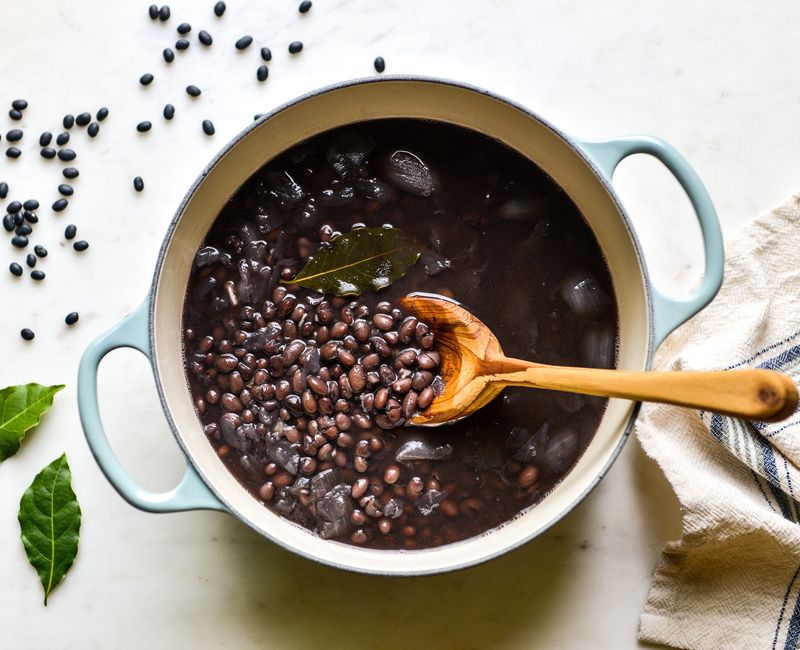
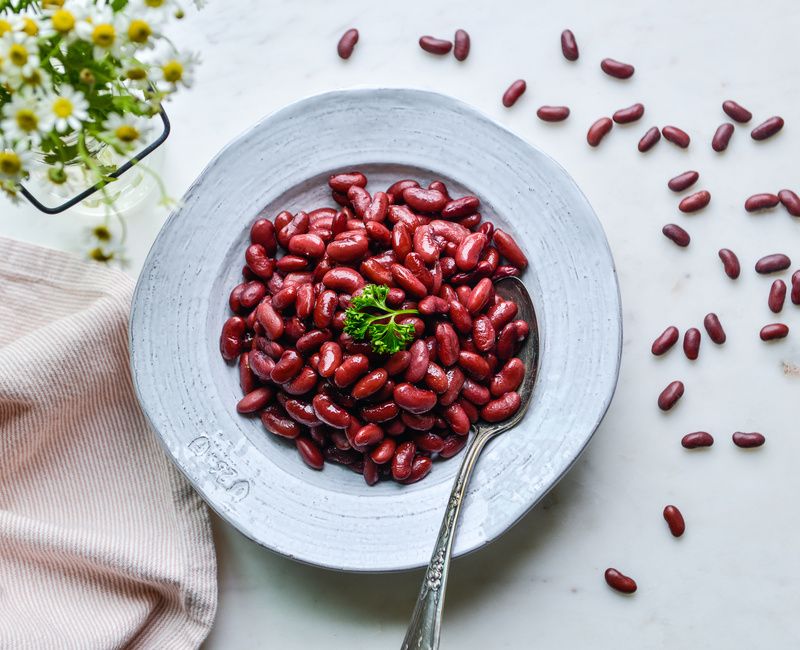
  • Legumes (if tolerated)

Healthy Fats:

  • Olive oil
  • Coconut oil
  • Avocado oil
  • Ghee or butter (if tolerated)
  • Avocados
  • Nuts and seeds

Grains and Starches (Rice-Free):

  • Quinoa
  • Millet
  • Buckwheat
  • Sorghum
  • Teff
  • Amaranth
  • Corn
  • Gluten-free oats
  • Potatoes and sweet potatoes
  • Cassava, yucca

Foods to Avoid on a Rice-Free Diet

Remove all forms of rice and rice-derived ingredients.

Whole and Processed Rice:

  • White rice
  • Brown rice
  • Wild rice (technically a grass, but typically excluded in rice-free protocols)
  • Black rice
  • Red rice
  • Arborio rice
  • Basmati rice
  • Jasmine rice

Rice-Based Ingredients:

  • Rice flour
  • Rice starch
  • Rice bran
  • Rice syrup
  • Rice protein
  • Rice milk

Rice-Based Foods:

  • Rice cakes
  • Rice crackers
  • Rice noodles
  • Sushi (rice-based)
  • Rice cereals
  • Gluten-free baked goods made with rice flour

Benefits of a Rice-Free Diet

  • More stable energy and blood sugar levels
  • Reduced digestive discomfort for sensitive individuals
  • Greater dietary diversity
  • Reduced reliance on refined or high-starch grains

Challenges and Considerations

  • Rice is a staple in many gluten-free products
  • Many packaged foods rely on rice flour or rice starch
  • Dining out may require additional awareness
  • Removing rice may require planning to maintain balanced carbohydrate intake

For many individuals, this approach is not about permanent avoidance, but about expanding awareness and discovering which foods best support energy, digestion, and resilience.


How Do I Start a Rice-Free Diet?

  1. Sign up for a Nourishing Meals® Membership and create your account
  2. Select “Rice-Free” in your diet profile
  3. Combine with other dietary filters as needed
  4. Explore rice-free recipes and build weekly meal plans
  5. Stock your kitchen with alternative grains and whole food starches
  6. Track your symptoms and observe how your body responds

When a commonly relied-upon food is removed, it opens the door to new possibilities. With a little curiosity and support, this shift can lead to greater balance, variety, and a deeper connection to what truly nourishes you.

Plan Length Actions

Grain-Free Holiday Desserts

0 days

Please login to view and schedule plans