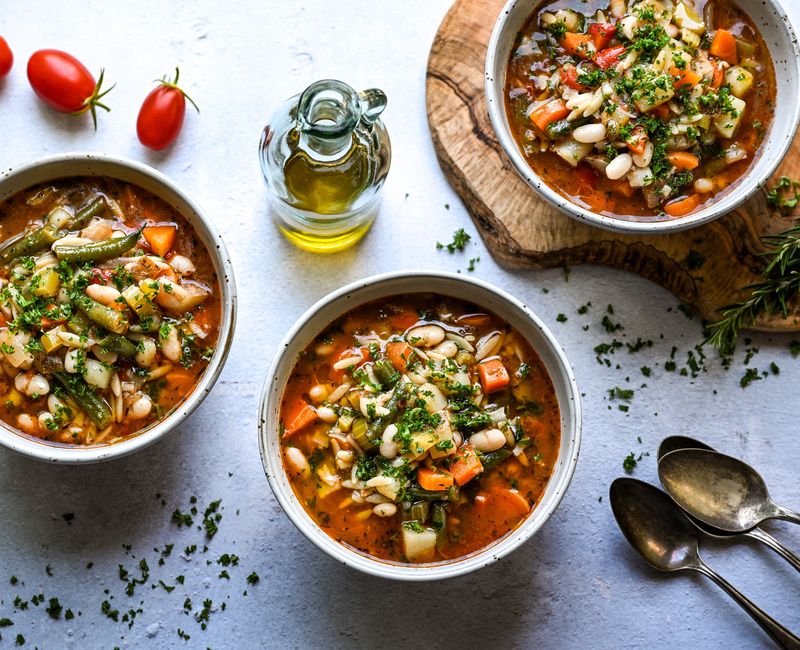
Shellfish-Free
Shellfish are often woven into meals in both obvious and subtle ways—from shrimp and crab to broths, sauces, and restaurant dishes where they may not be immediately visible. For some individuals, even small amounts can trigger noticeable reactions, making awareness and clarity essential.
For others, removing shellfish brings a sense of relief—whether digestive, skin-related, or systemic. These responses may reflect immune sensitivity, histamine reactions, or difficulty processing certain proteins found in shellfish.
A Shellfish-Free Diet removes all crustaceans and mollusks while allowing fish. For many, this approach supports safety, reduces reactivity, and provides a clear framework for navigating meals with greater confidence.


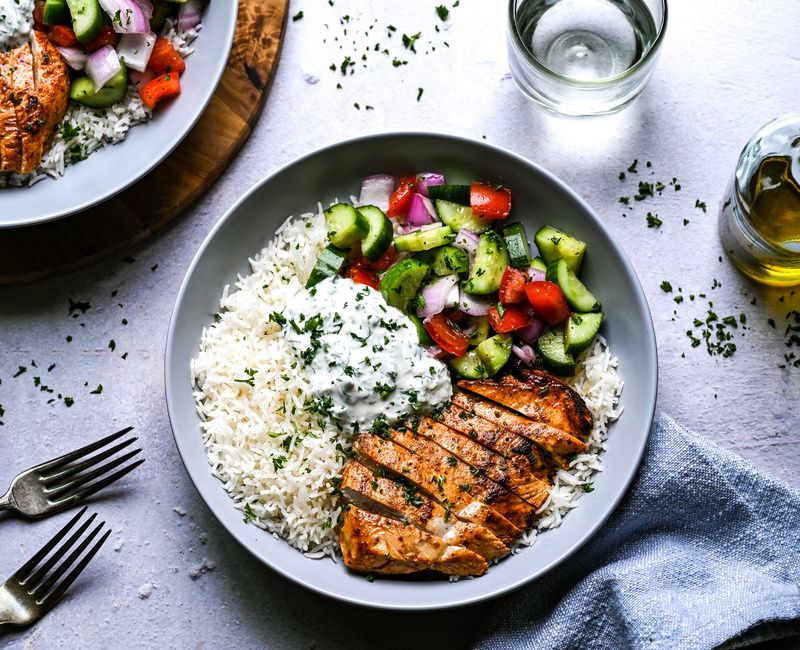
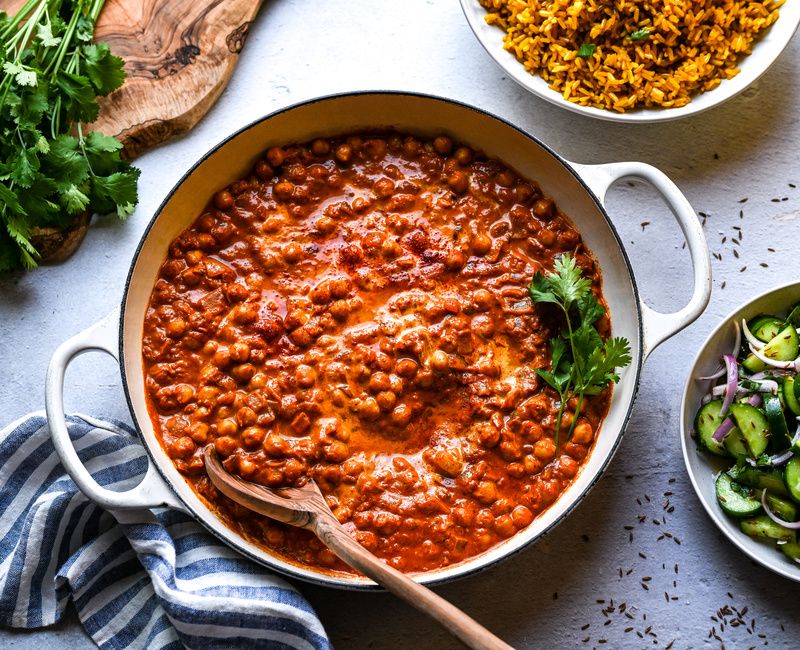

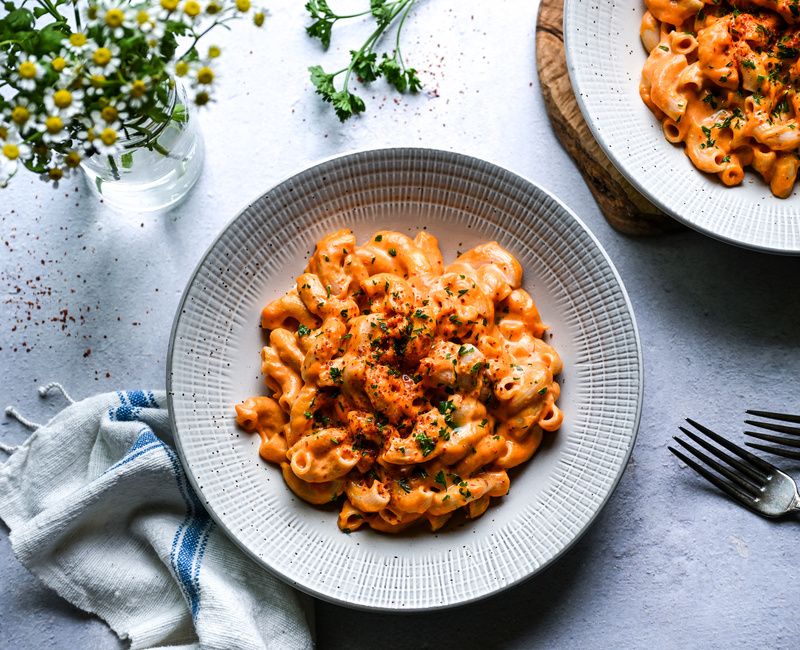




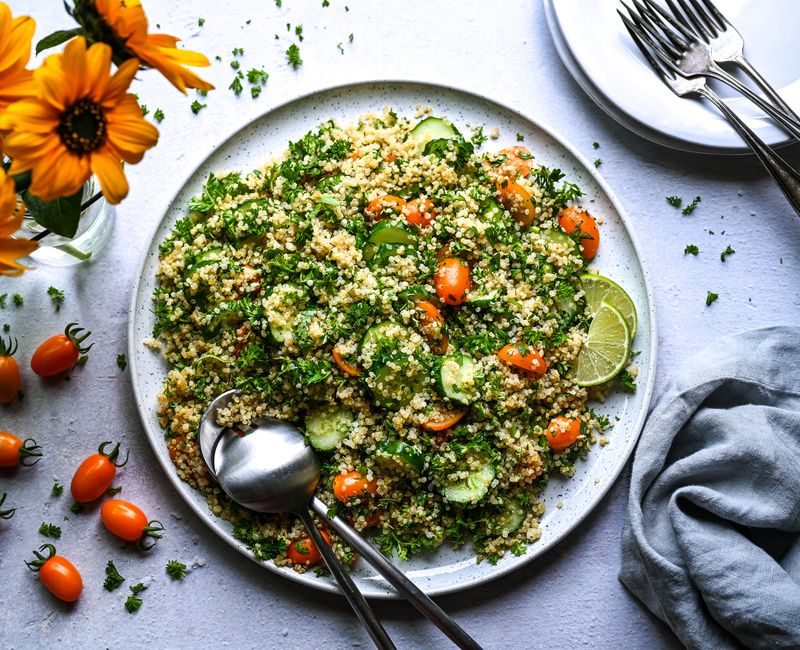
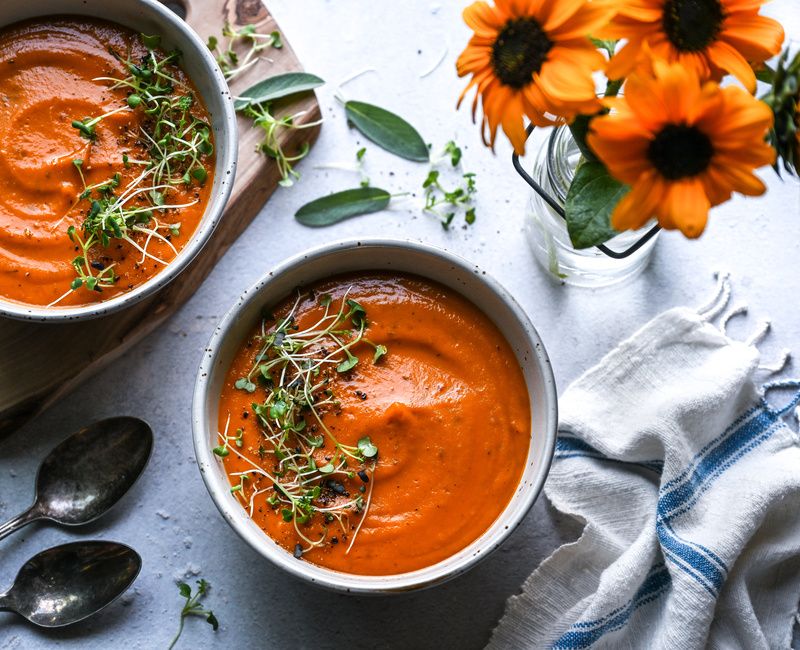
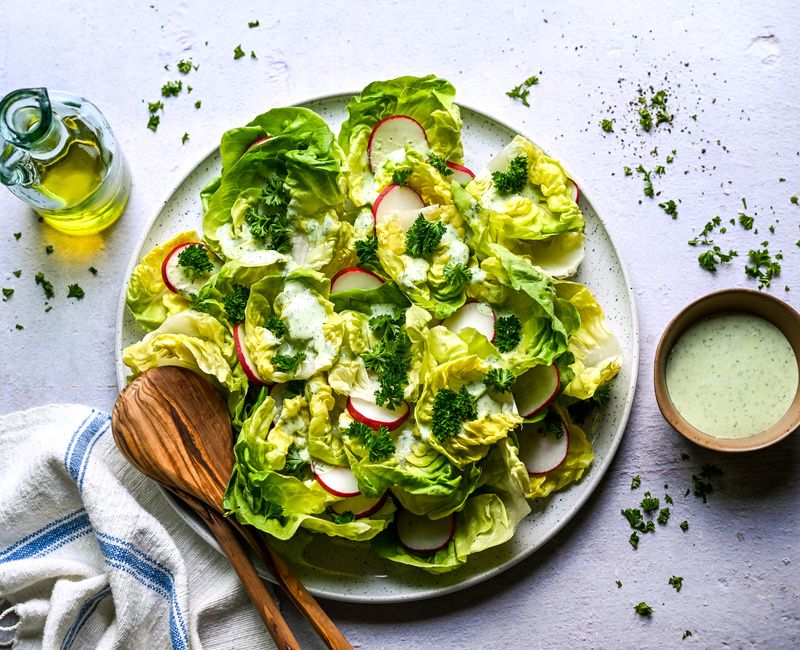
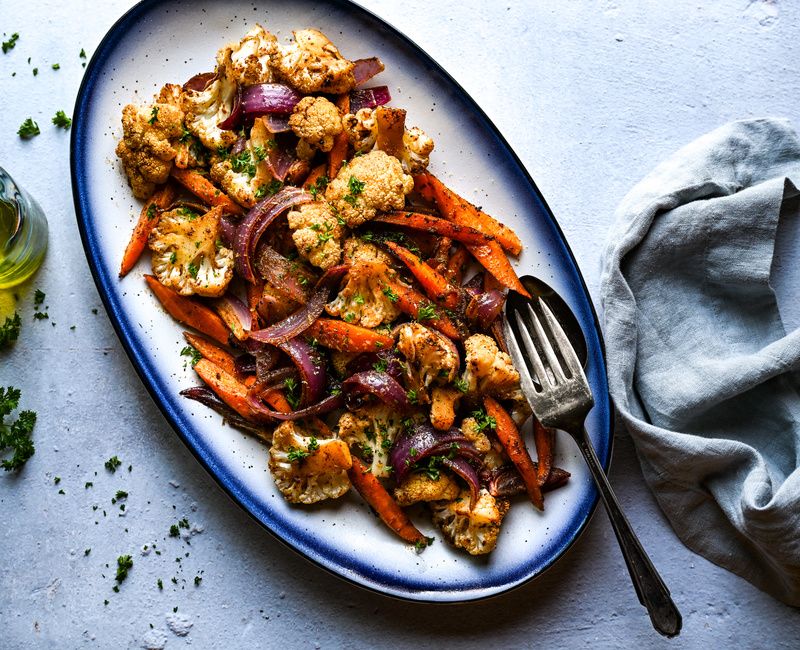
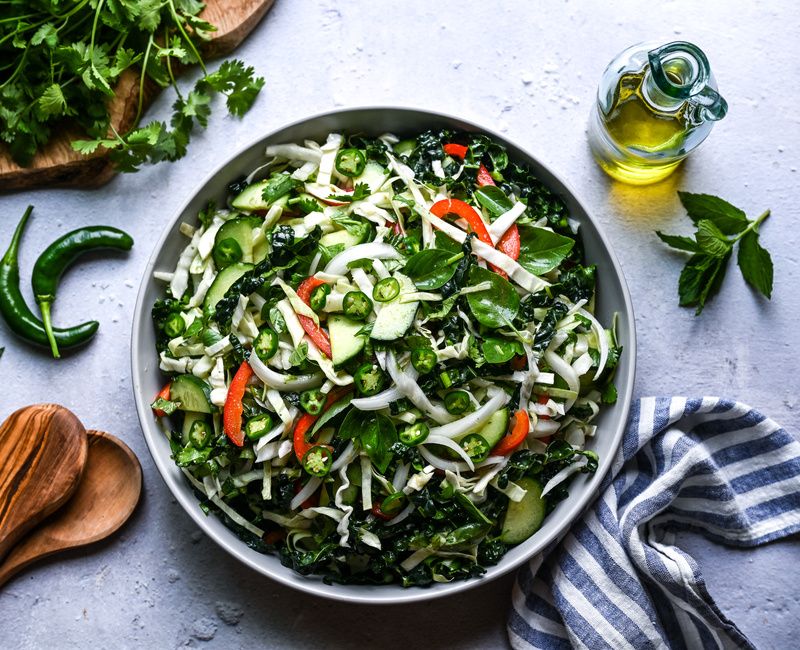


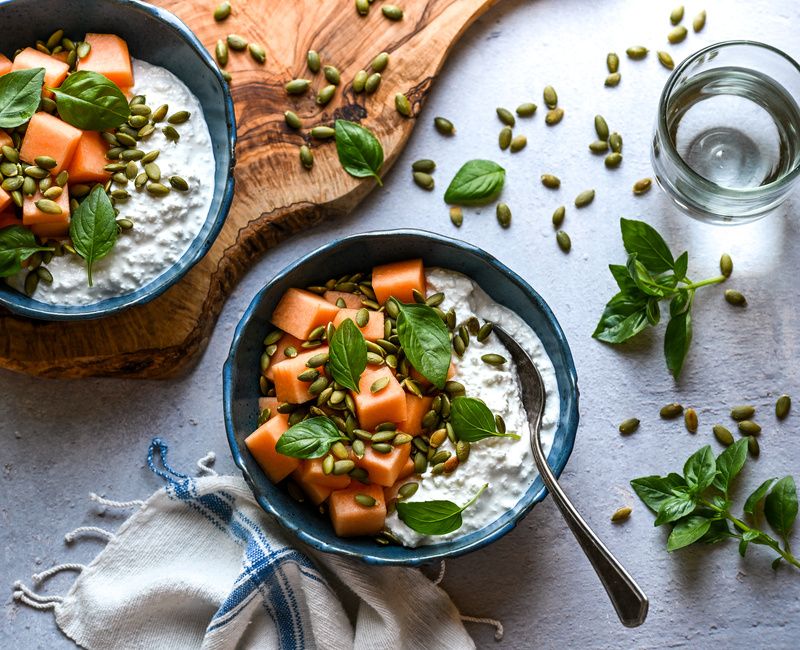




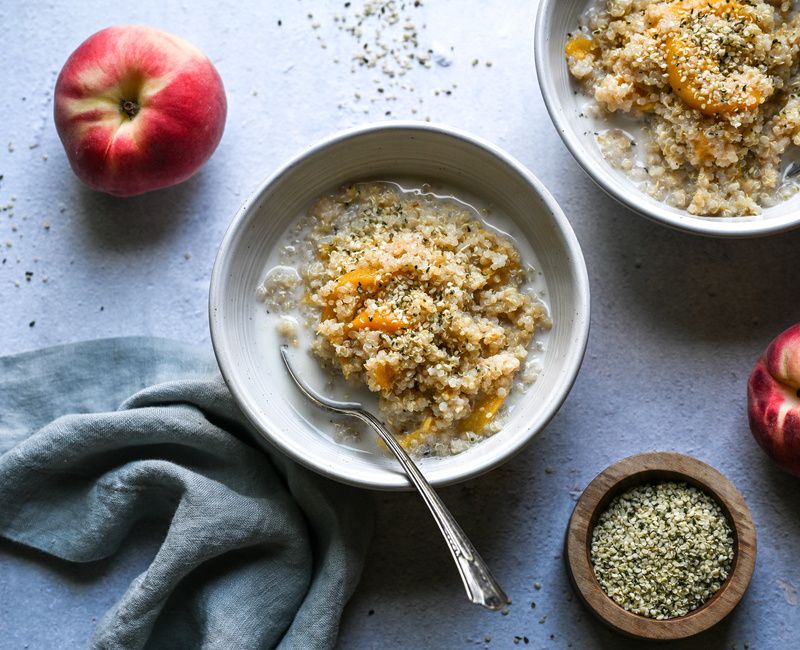


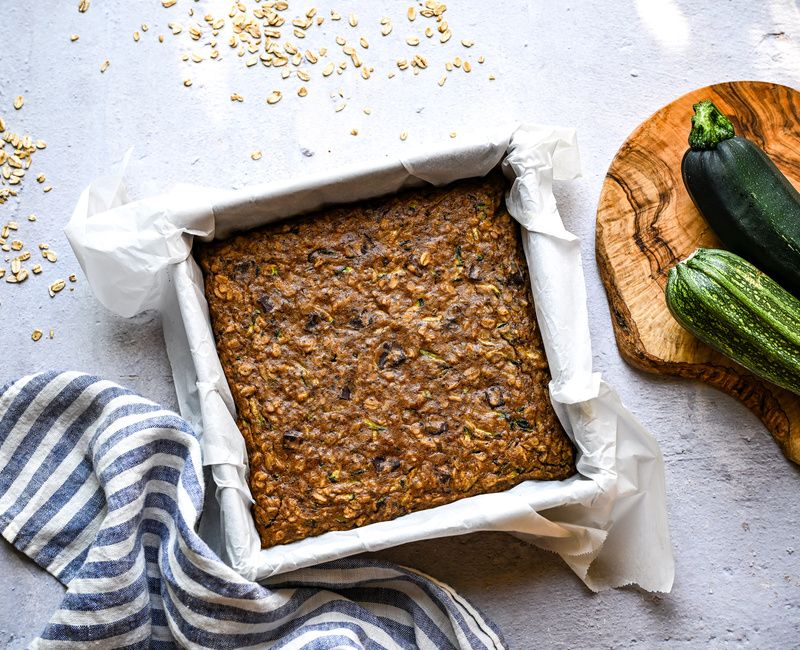





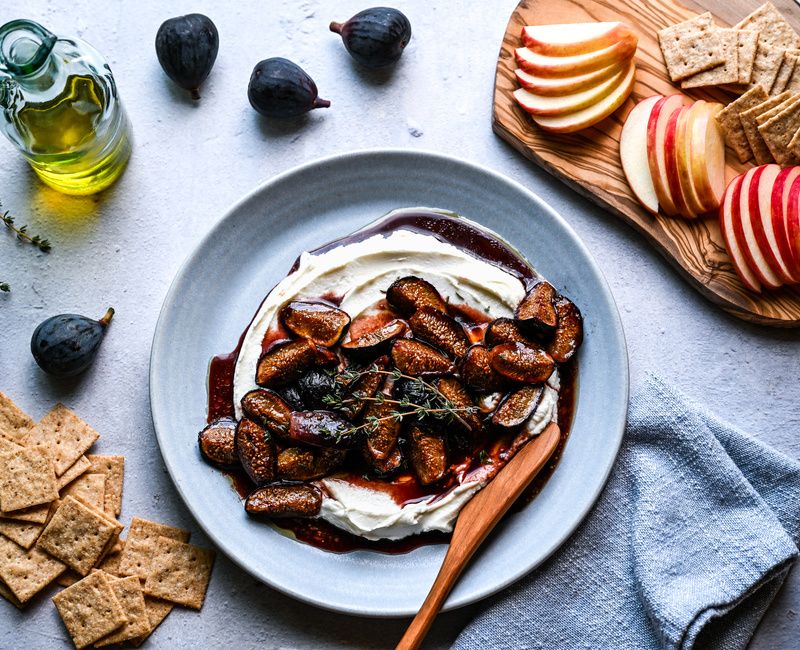
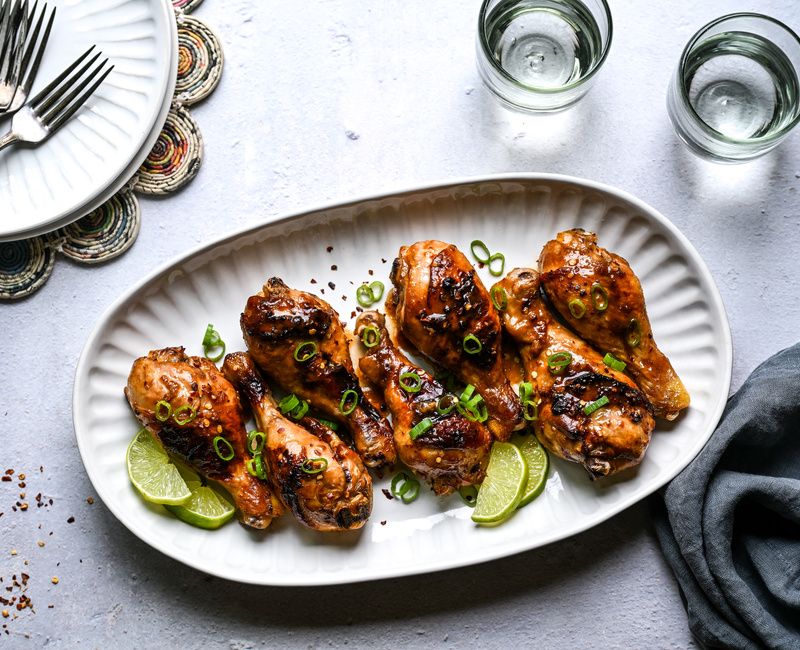
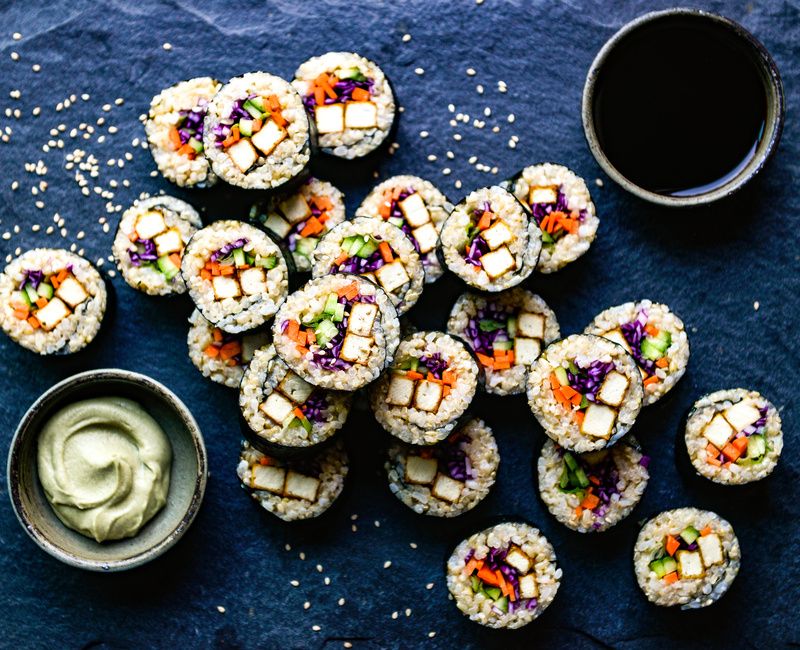

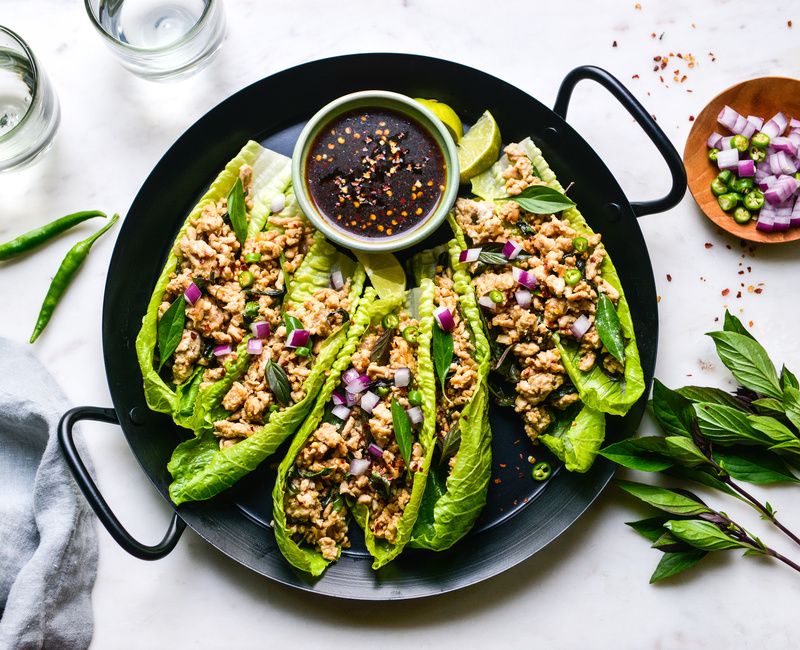




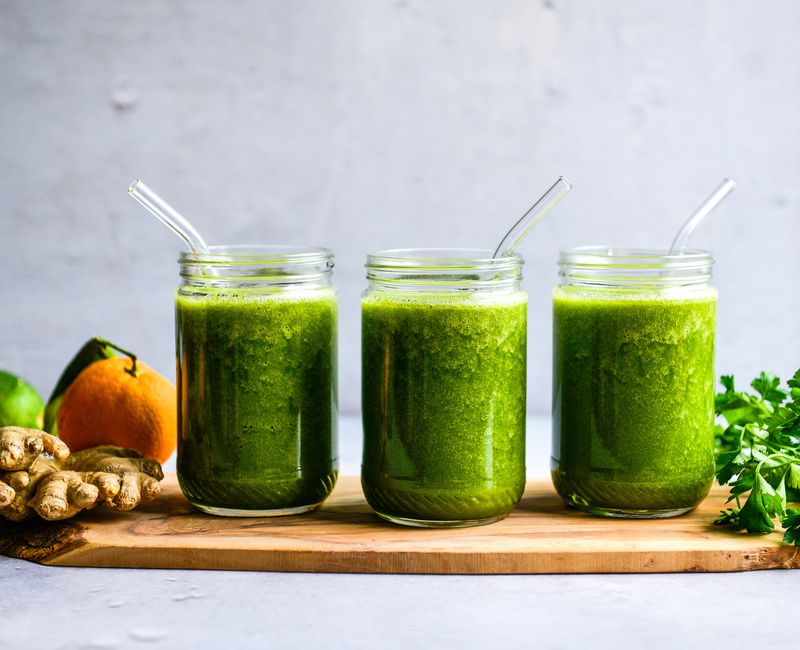

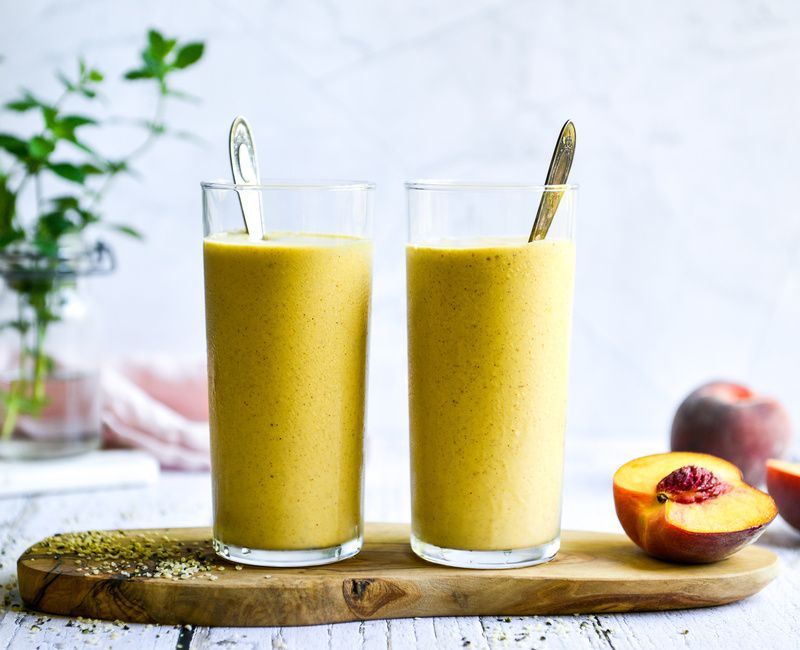



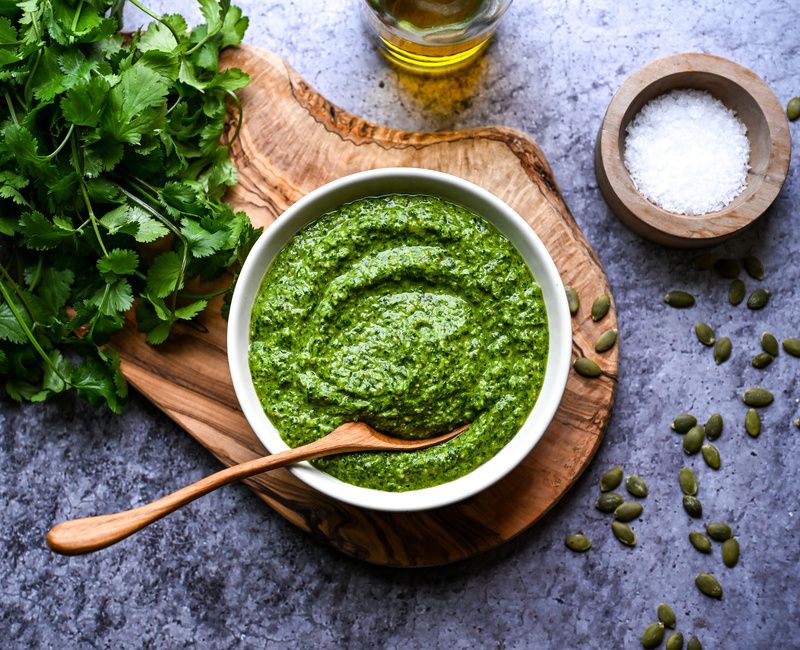

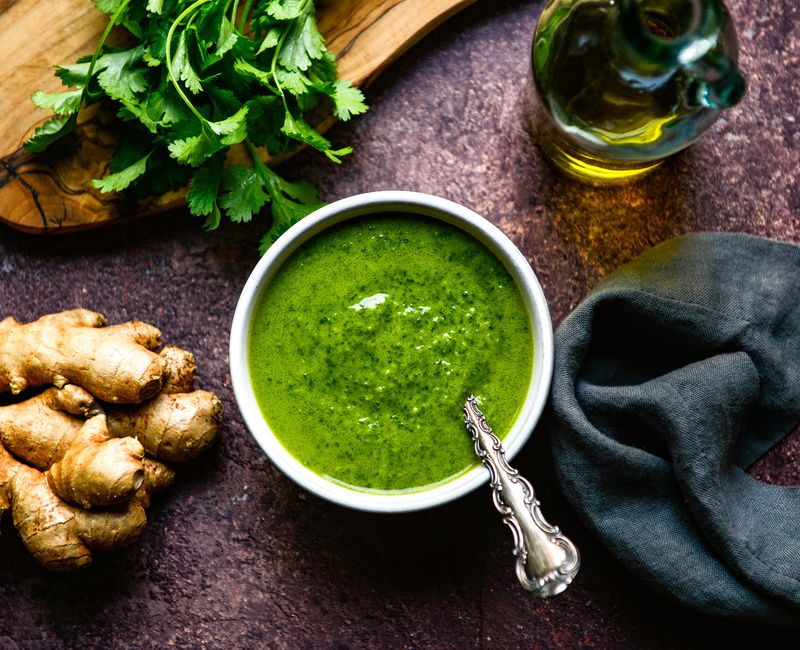
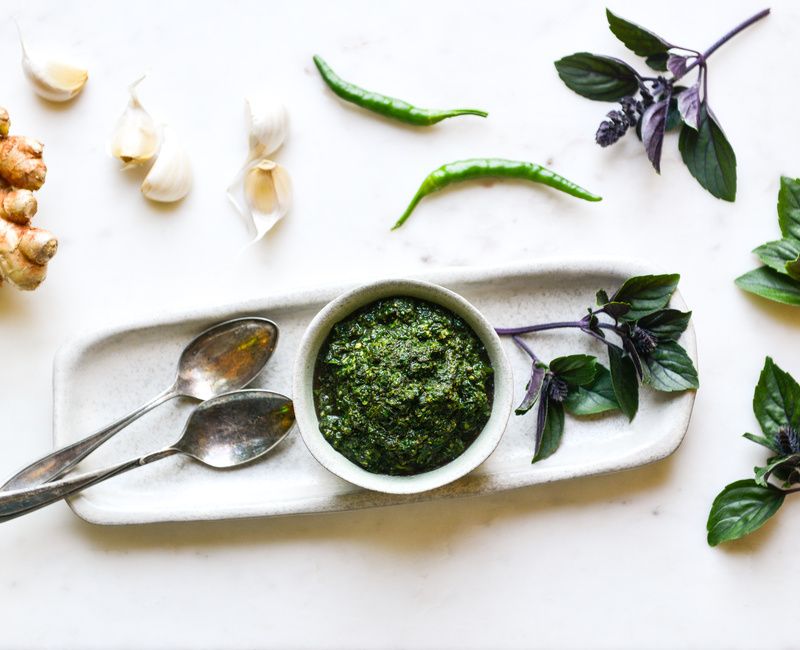

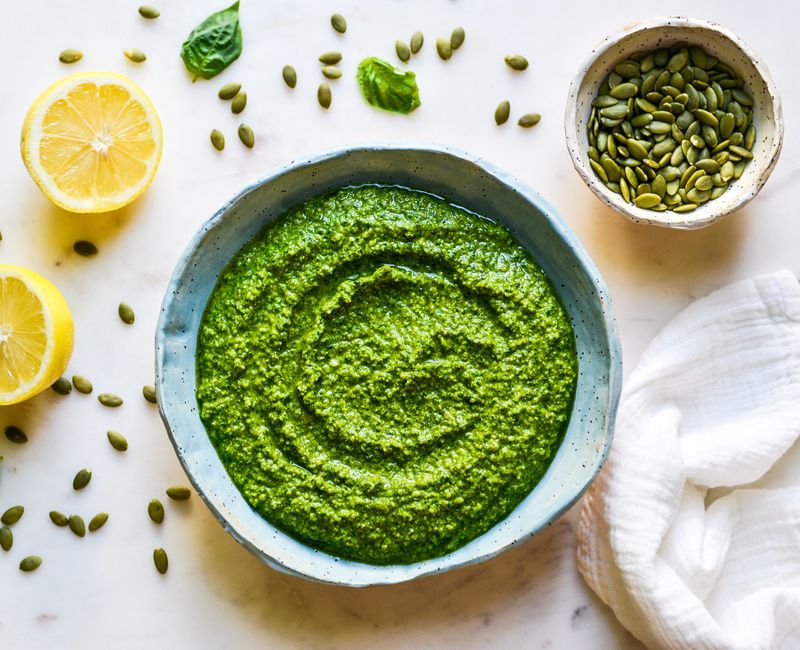

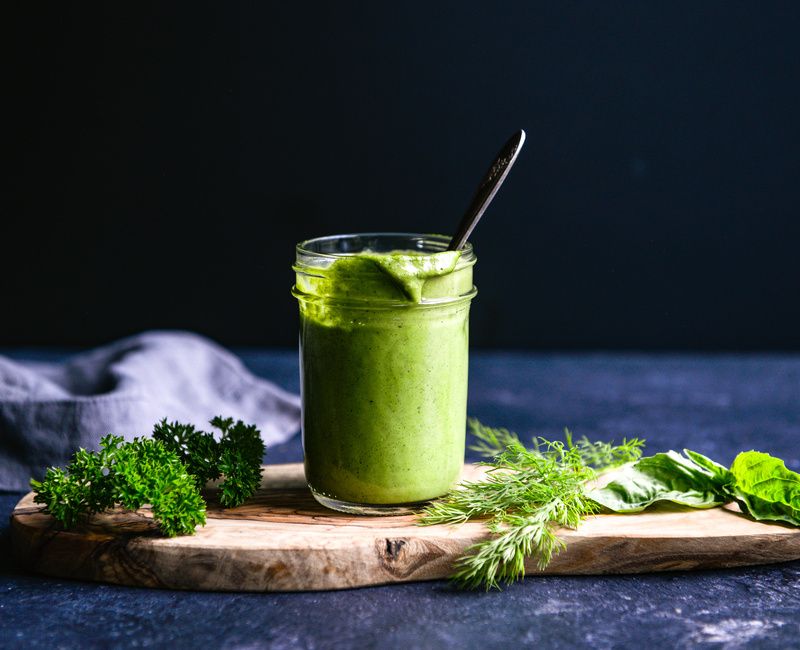


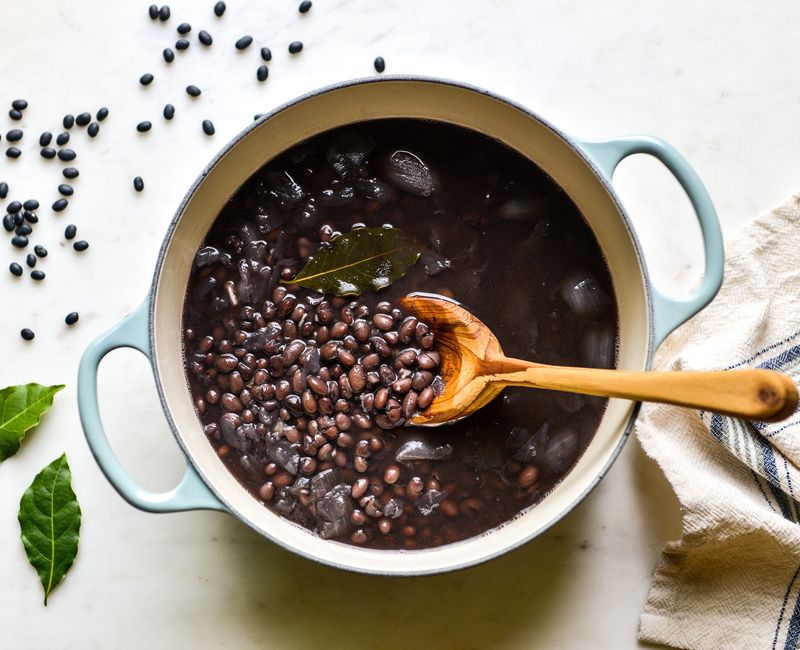
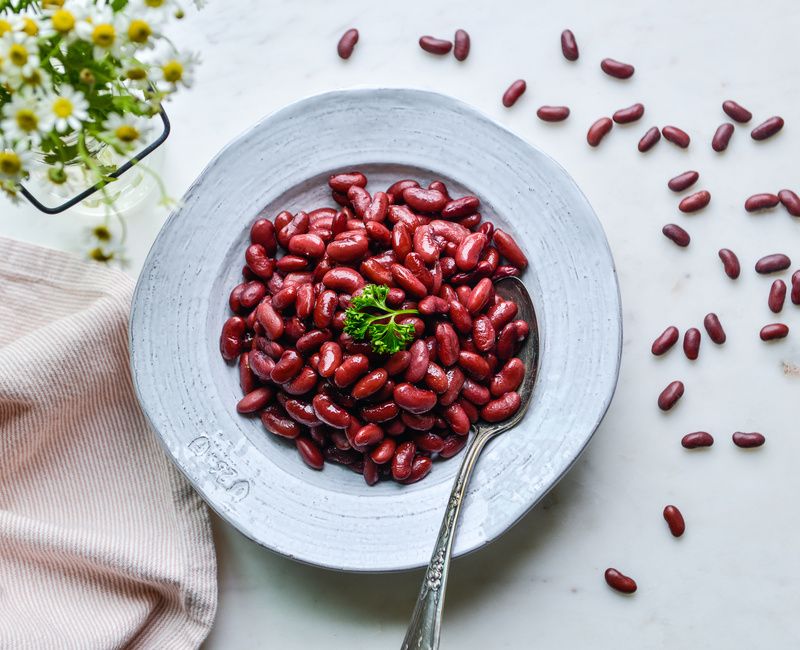

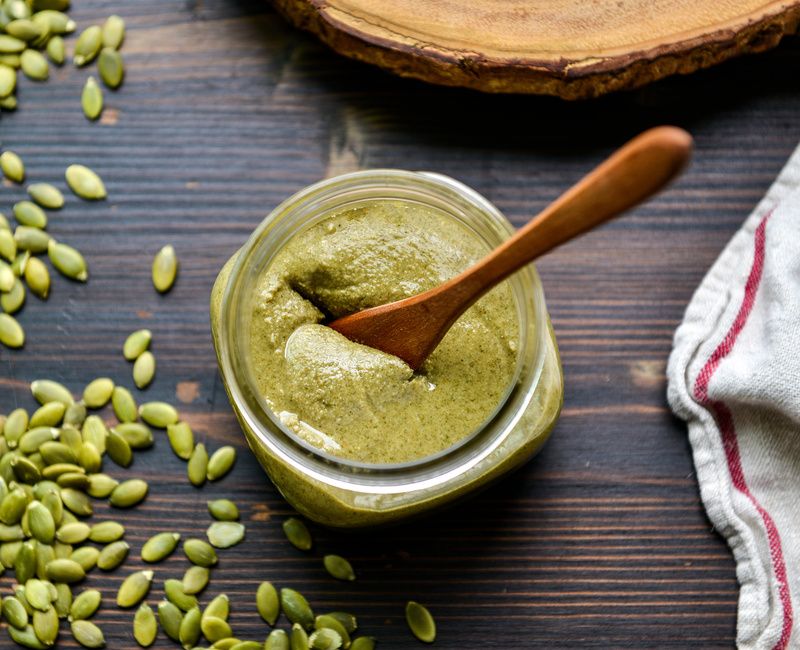


Shellfish-Free Safe with Modifications
Here are some recipes you can modify.

What Is a Shellfish-Free Diet?
A Shellfish-Free Diet removes all shellfish, which are aquatic animals without a backbone. These foods are among the most common triggers of food allergy, particularly in adults. Shellfish contain proteins—such as tropomyosin—that can trigger immune responses in sensitive individuals.
Shellfish may affect the body through:
- IgE-mediated allergy, which can cause immediate and potentially severe reactions
- Histamine-related responses, especially with improperly stored or aged seafood
- Immune activation, particularly in individuals with heightened sensitivity
For those with an IgE-mediated shellfish allergy, exposure can lead to rapid immune activation and histamine release. Symptoms may include hives, swelling, respiratory distress, gastrointestinal symptoms, or anaphylaxis. Shellfish allergy is one of the most common adult food allergies and is often lifelong.
In addition to true allergy, shellfish may contribute to symptoms through non-allergic mechanisms. These include histamine-related responses, particularly when shellfish is not fresh, as well as sensitivity in individuals with underlying immune or digestive imbalance.
In a therapeutic context, complete removal is often necessary for safety in allergic individuals. For others, temporary removal may help reduce immune load and support symptom resolution.
What Is Considered Shellfish?
Shellfish are aquatic animals without a backbone that are typically protected by a shell. They are grouped into two main categories: crustaceans and mollusks.
Crustaceans (most common allergens):
- Shrimp
- Prawns
- Crab
- Lobster
- Crayfish
Mollusks:
- Clams
- Mussels
- Oysters
- Scallops
- Squid (calamari)
- Octopus
- Snails
Although these groups are biologically distinct, they are often removed together in a Shellfish-Free Diet to reduce the risk of reactions and simplify dietary choices.
Fish such as salmon, cod, tuna, and sardines are not considered shellfish and are typically included in a Shellfish-Free Diet.
Who Is the Shellfish-Free Diet For?
This diet may be essential or supportive if you:
- Have a diagnosed shellfish allergy
- Experience hives, swelling, or respiratory symptoms after shellfish
- Notice digestive discomfort or skin reactions after eating shellfish
- Are following an Elimination Diet
- Are exploring histamine sensitivity
Shellfish allergy is one of the most common adult food allergies and is often lifelong, with crustaceans being the most frequent trigger.
How Does the Shellfish-Free Diet Work?
Removing shellfish eliminates exposure to proteins that can trigger immune and histamine responses.
This can help:
- Prevent allergic reactions
- Reduce inflammation and immune activation
- Support digestive comfort
- Provide clarity when identifying food sensitivities
Because reactions to shellfish can be immediate and severe, strict avoidance is often necessary for those with allergies.
Reintroduction Considerations
Reintroduction of shellfish is not recommended for individuals with a confirmed allergy unless under medical supervision.
For those removing shellfish as part of an elimination approach (without diagnosed allergy), reintroduction should be cautious and guided by a practitioner.
Foods to Eat on a Shellfish-Free Diet
Proteins:
- Wild-caught fish (salmon, cod, sardines, halibut)
- Poultry
- Beef
- Lamb
- Bison
- Elk
- Venison
- Antelope
- Eggs
- Legumes (if tolerated)
- Nuts and seeds
Vegetables:
- All fresh vegetables
Fruits:
- All fresh fruits
Healthy Fats:
- Olive oil
- Avocado oil
- Coconut oil
- Ghee or butter (if tolerated)
- Avocados
Grains (If Included):
- Rice
- Quinoa
- Millet
- Buckwheat
- Gluten-free oats
Foods to Avoid on a Shellfish-Free Diet
- Shrimp
- Crab
- Lobster
- Prawns
- Crayfish
- Clams
- Mussels
- Oysters
- Scallops
- Squid
- Octopus
- Snails
Hidden Sources:
- Seafood broths and stocks
- Asian sauces (fish + shellfish blends)
- Restaurant cross-contact
Benefits of a Shellfish-Free Diet
- Prevention of allergic reactions
- Reduced immune and histamine burden
- Improved confidence when eating out
- Greater clarity around food triggers
Challenges and Considerations
- Shellfish is common in restaurant cooking
- Cross-contact is a significant concern
- Hidden ingredients may appear in sauces and broths
For those with allergy, awareness becomes a powerful form of self-care.
How Do I Start a Shellfish-Free Diet?
- Sign up for a Nourishing Meals® Membership and create your account
- Select “Shellfish-Free” in your diet profile
- Combine with other dietary filters as needed
- Build meal plans using safe protein sources
- Communicate clearly when dining out
- Read labels carefully