Tomato-Free
Tomatoes are deeply woven into modern cooking—appearing in sauces, soups, condiments, and countless dishes across cultures. From a splash of marinara to a spoonful of salsa, they often show up multiple times throughout the day, sometimes in ways that go unnoticed.
For some individuals, however, removing tomatoes brings a surprising sense of relief—less digestive discomfort, fewer skin reactions, reduced joint pain, or a calmer overall system. In these cases, tomatoes may be contributing to irritation, immune activation, or sensitivity to certain compounds within the fruit.
A Tomato-Free Diet removes all forms of tomatoes and tomato-derived ingredients. For some, this is a temporary therapeutic approach to calm inflammation and restore balance. For others, it becomes a longer-term way of eating that supports greater comfort and clarity.
Latest Wheat-Free Recipes

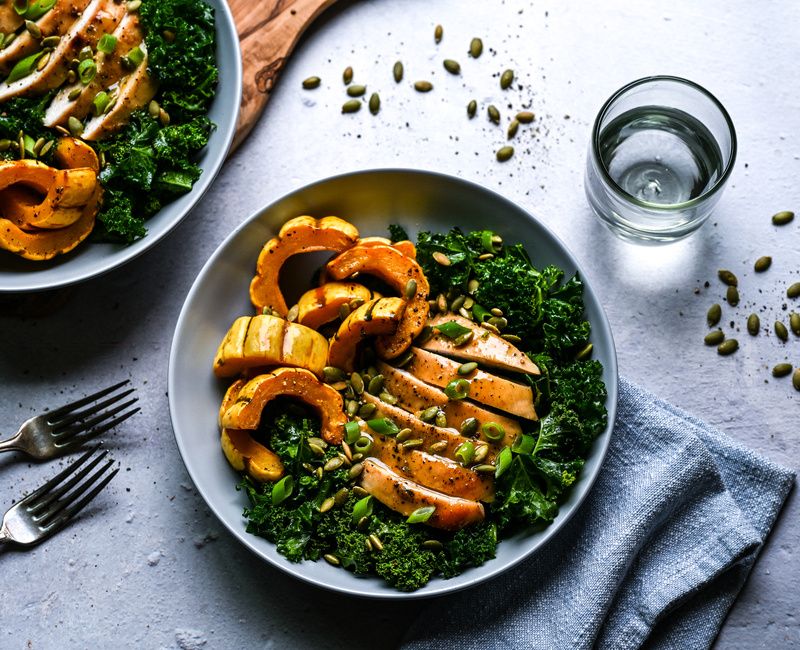
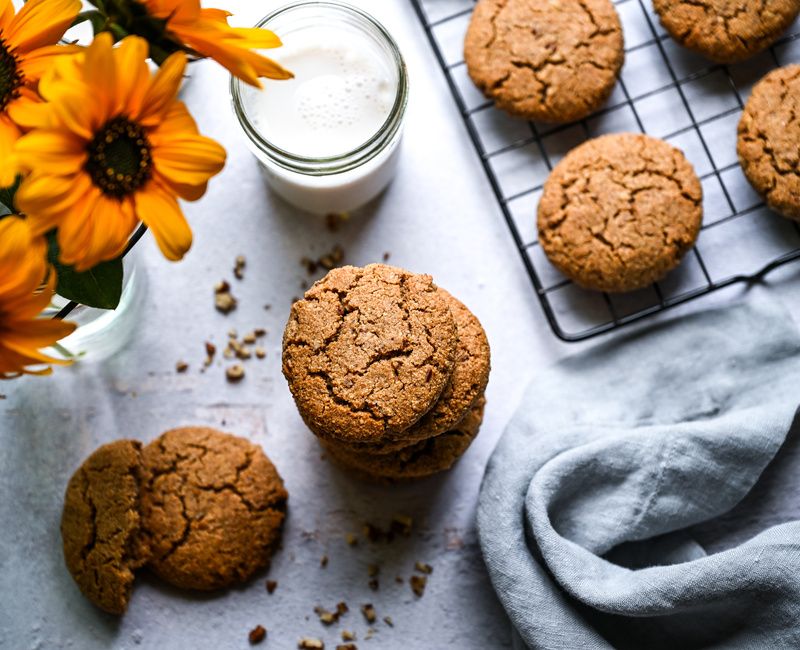
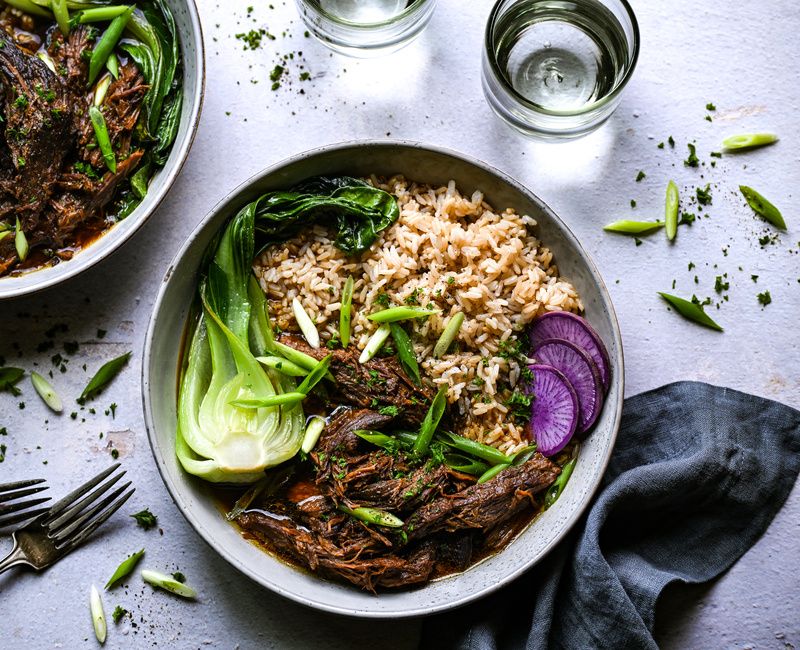
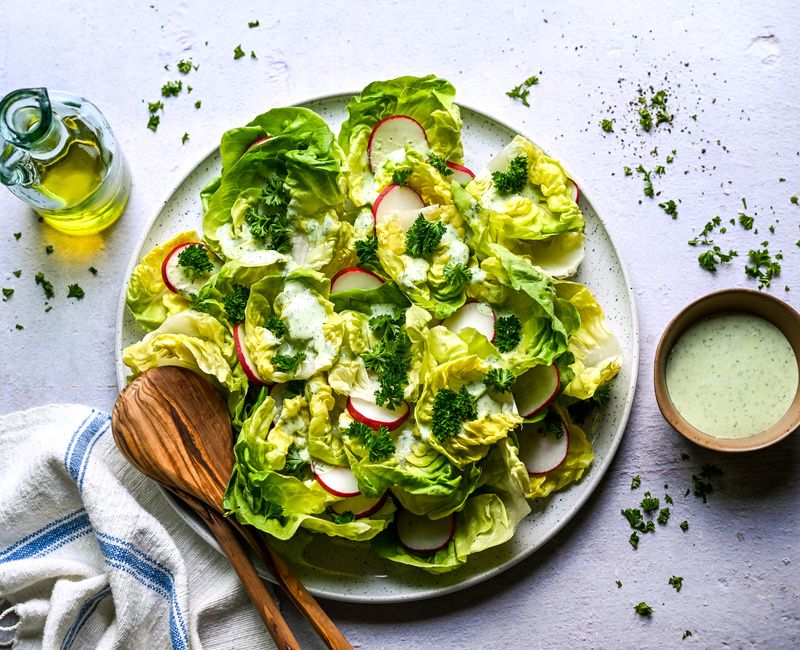



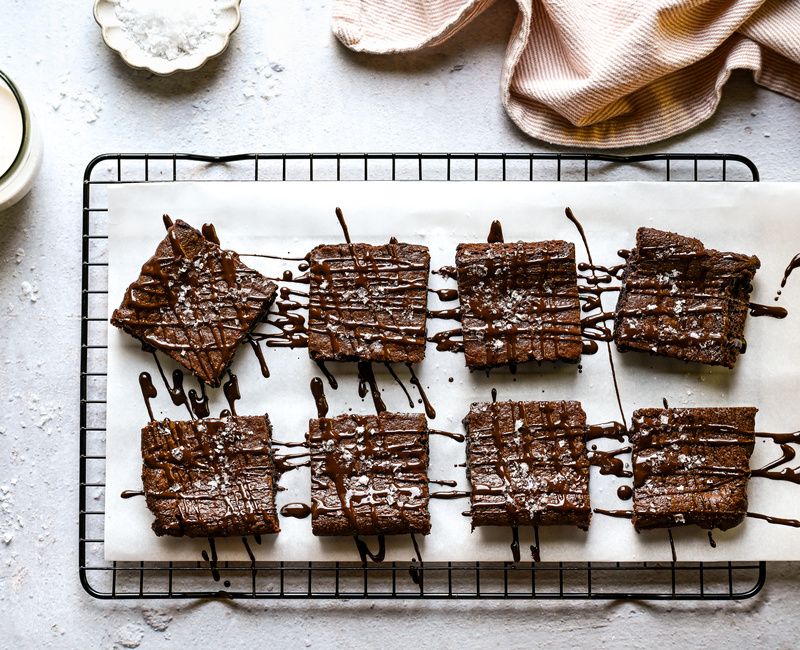

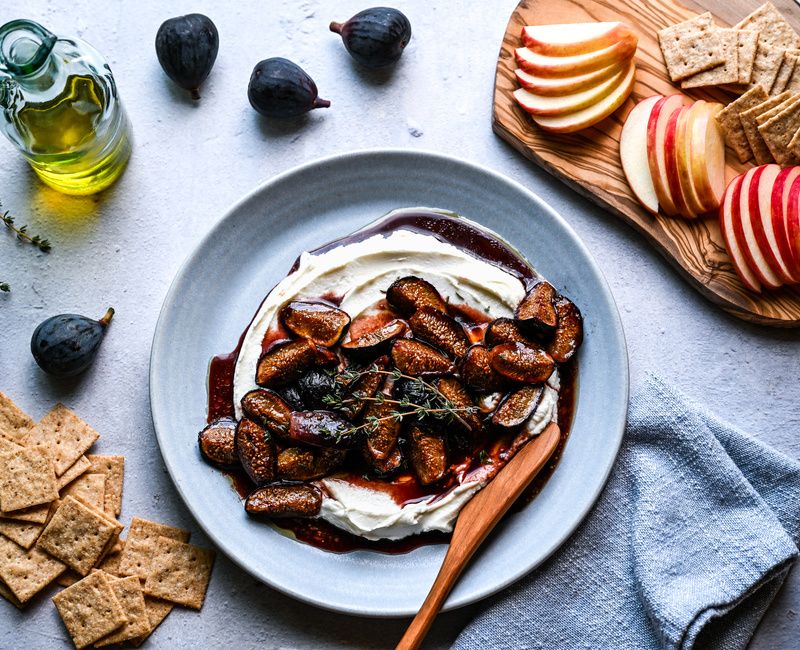
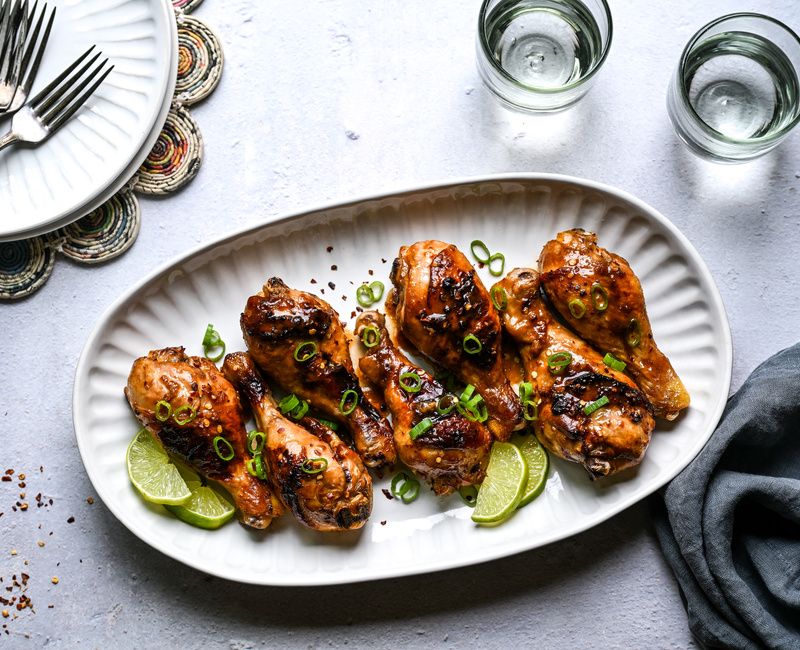
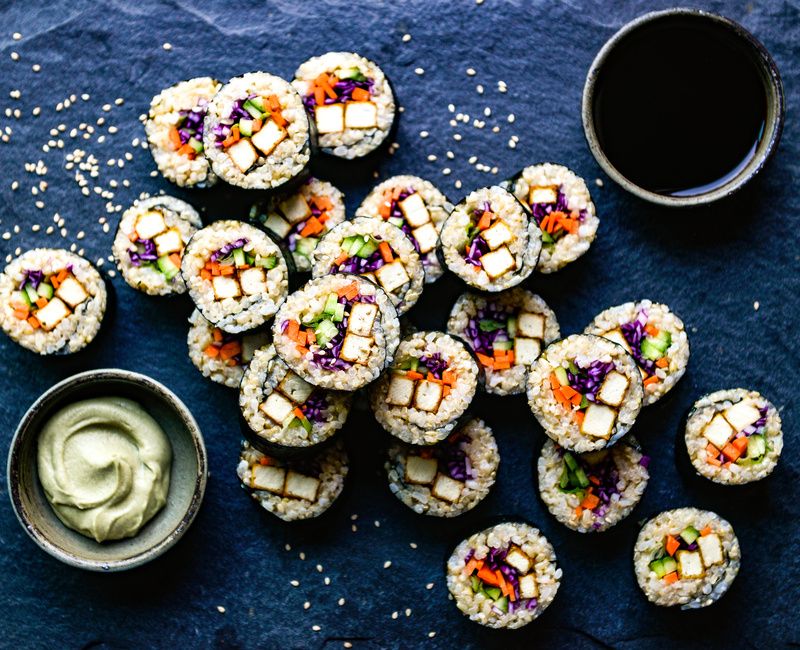







What Is a Tomato-Free Diet?
A Tomato-Free Diet removes all forms of tomatoes, including fresh, cooked, and processed tomato products.
Tomatoes (Solanum lycopersicum) belong to the nightshade family (Solanaceae)—a group of plants that also includes potatoes, eggplant, and peppers. These plants naturally produce compounds that help protect them in nature, some of which can interact with the human body in unique ways.
Tomatoes contain:
- Alkaloids (such as tomatine), naturally occurring plant compounds
- Organic acids, contributing to their acidity
- Histamine-related compounds, which may affect sensitive individuals
- Proteins that can trigger immune responses
While tomatoes are rich in beneficial compounds like lycopene and antioxidants, they may affect the body differently depending on individual sensitivity.
Tomatoes may contribute to symptoms through:
- IgE-mediated allergy, causing immediate immune reactions
- Oral allergy syndrome, often linked to pollen sensitivities
- Histamine-related responses, especially in those with reduced histamine breakdown capacity
- Nightshade sensitivity, where compounds like alkaloids may aggravate symptoms in susceptible individuals
- Digestive intolerance, including delayed reactions such as bloating or inflammation
A Tomato-Free Diet removes these exposures to help reduce irritation and create a clearer picture of how the body responds.
Who Is the Tomato-Free Diet For?
This diet may be supportive if you:
For immune or allergy-related responses:
- Experience itching, hives, or swelling after tomatoes
- Have oral allergy syndrome (itchy mouth or throat)
- Have been diagnosed with a tomato or nightshade allergy
For digestive or inflammatory symptoms:
- Experience bloating, reflux, or discomfort after tomato-based foods
- Notice joint pain, fatigue, or skin flares after consuming tomatoes
- Have IBS, dysbiosis, or gut sensitivity
For therapeutic exploration:
- Are following an Elimination Diet
- Are exploring nightshade sensitivity
- Feel better avoiding acidic or highly reactive foods
How Does the Tomato-Free Diet Work?
Removing tomatoes eliminates exposure to compounds that may irritate the gut, activate the immune system, or trigger sensitivity reactions.
This can help:
- Reduce digestive irritation
- Calm immune and inflammatory responses
- Support skin clarity
- Decrease cumulative dietary triggers
Tomatoes are often consumed in multiple forms throughout the day, especially in sauces and condiments. Removing them can significantly reduce overall exposure to reactive compounds.
Tomato tolerance exists on a spectrum. Some individuals benefit from removing all tomato products initially, then reintroducing small amounts as symptoms improve.
A Note on Nightshades
Tomatoes are part of the nightshade family, which contains naturally occurring compounds called alkaloids. These compounds serve protective roles in plants and are generally well tolerated in typical amounts.
Current research does not show that nightshades cause inflammation in healthy individuals, but they may aggravate existing inflammation or symptoms in susceptible people .
For this reason, tomato removal is often explored as part of broader therapeutic approaches such as elimination diets or autoimmune protocols.
Tomato Reintroduction for Non-Allergic Individuals
If tomatoes are removed for sensitivity (not allergy), reintroduction can be gradual.
Strategies may include:
- Starting with small amounts
- Trying cooked tomatoes (which may be better tolerated for some)
- Introducing one form at a time (fresh vs cooked vs sauce)
- Observing symptoms over 24 to 48 hours
Some individuals tolerate cooked tomatoes better than raw, as heat can alter certain proteins involved in reactions.
Foods to Eat on a Tomato-Free Diet
Vegetables (Non-Nightshade):
- Leafy greens
- Cruciferous vegetables
- Carrots, beets, celery
- Zucchini, squash
- Sweet potatoes
- Mushrooms, asparagus
Fruits (Non-Tomato):
- Apples, pears
- Berries
- Melons
- Stone fruits
- Mango, banana
Proteins:
- Grass-fed beef, lamb
- Poultry
- Wild-caught fish
- Eggs
- Legumes (if tolerated)
Healthy Fats:
- Olive oil
- Coconut oil
- Avocado oil
- Ghee or butter (if tolerated)
- Avocados
Flavor Alternatives to Tomatoes:
- Roasted carrots or beets (for sweetness and depth)
- Pumpkin or winter squash purées
- Red pepper sauces (if other nightshades are tolerated)
- Herbs, garlic, and onions
- Vinegars (apple cider, balsamic)
Grains (If Included):
- Rice
- Quinoa
- Millet
- Buckwheat
- Gluten-free oats
Foods to Avoid on a Tomato-Free Diet
Remove all forms of tomatoes and tomato-derived ingredients.
Whole and Processed Tomatoes:
- Fresh tomatoes
- Cherry tomatoes
- Roma tomatoes
- Heirloom varieties
Tomato-Based Products:
- Tomato sauce
- Marinara
- Ketchup
- Salsa
- Tomato paste
- Tomato soup
Hidden Sources of Tomato:
- BBQ sauces
- Salad dressings
- Seasoning blends
- Prepared meals and packaged foods
Benefits of a Tomato-Free Diet
- Reduced digestive irritation
- Calmer skin and immune response
- Less reflux or acidity-related discomfort
- Greater clarity around food sensitivities
Challenges and Considerations
- Tomatoes are widely used in sauces and condiments
- They may appear in small amounts across multiple meals
- Dining out may require careful ingredient awareness
For many individuals, removing tomatoes creates clarity—not only about this food specifically, but about how the body responds to cumulative dietary inputs.
How Do I Start a Tomato-Free Diet?
- Sign up for a Nourishing Meals® Membership and create your account
- Select “Tomato-Free” in your diet profile
- Combine with other dietary filters as needed
- Explore tomato-free recipes and build weekly meal plans
- Stock your kitchen with alternative sauces and flavor builders
- Track your symptoms and observe changes