
Citrus-Free
Citrus fruits are often associated with freshness and vitality—bright flavors that awaken the palate and enhance both sweet and savory dishes. From lemon water in the morning to lime in dressings and orange in snacks, citrus can be woven throughout the day in subtle and frequent ways.
For some individuals, however, reducing or removing citrus brings a noticeable shift—less throat irritation, calmer digestion, fewer skin reactions, or a reduction in symptoms like reflux or mouth sensitivity. In these cases, citrus may be contributing to irritation of sensitive tissues or amplifying underlying imbalances.
A Citrus-Free Diet removes all citrus fruits and their derivatives. For some, this is a temporary approach to calm irritation and restore balance. For others, it becomes a longer-term way of eating that supports comfort, stability, and ease.
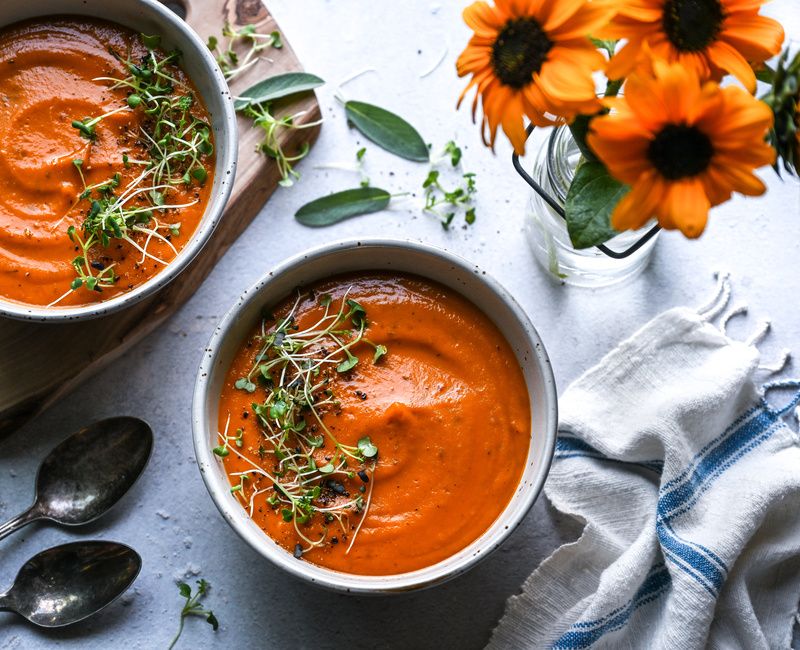






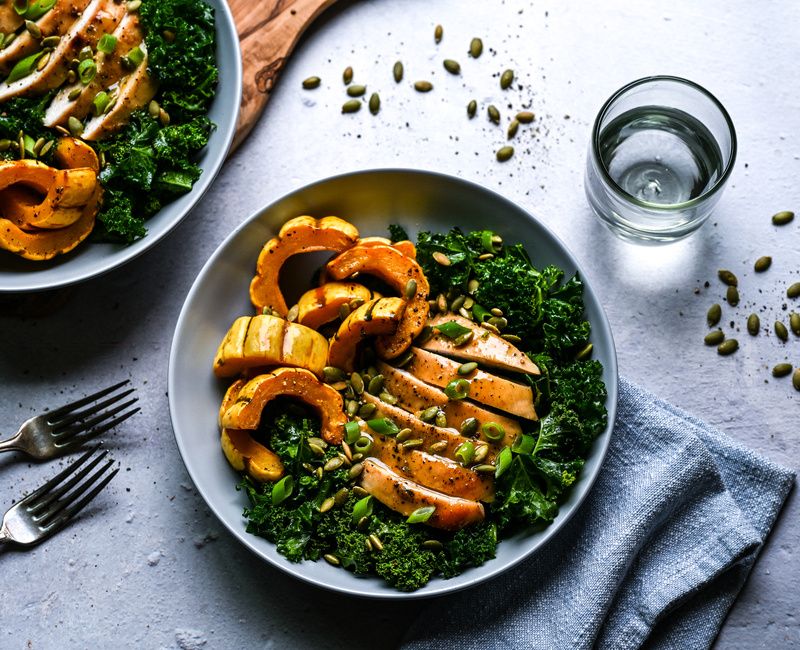


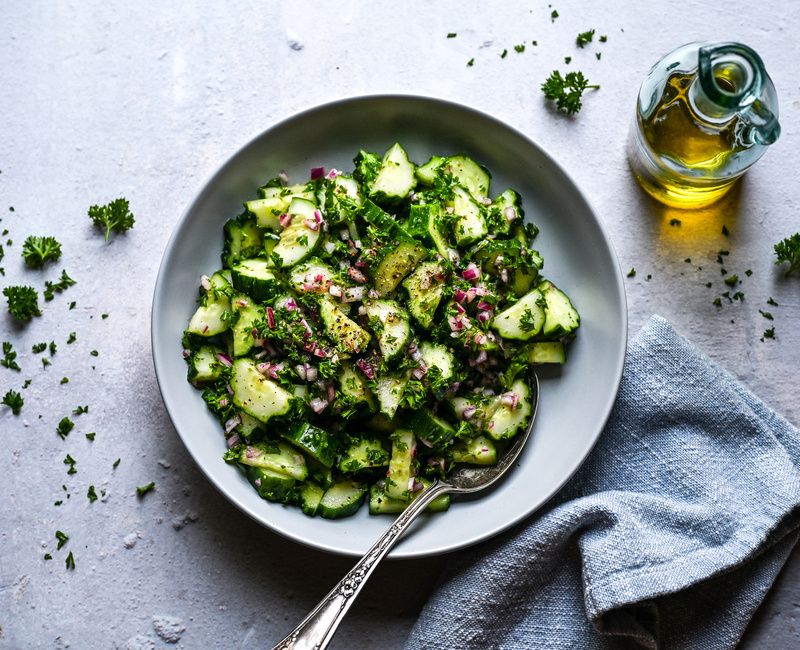


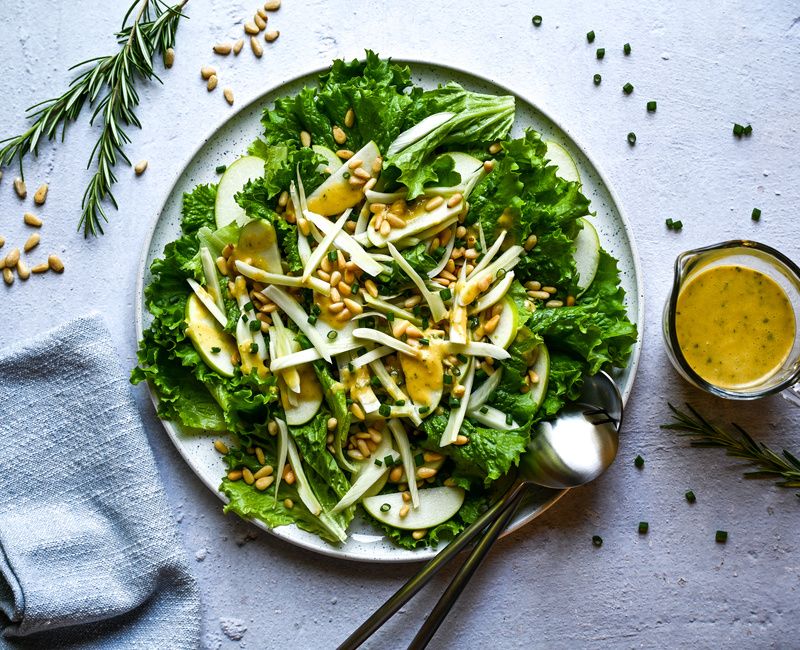
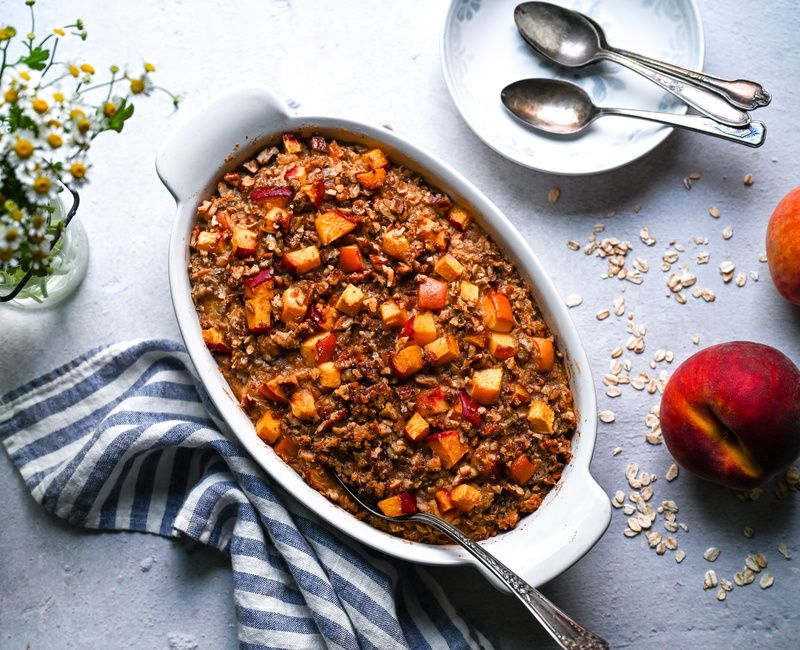
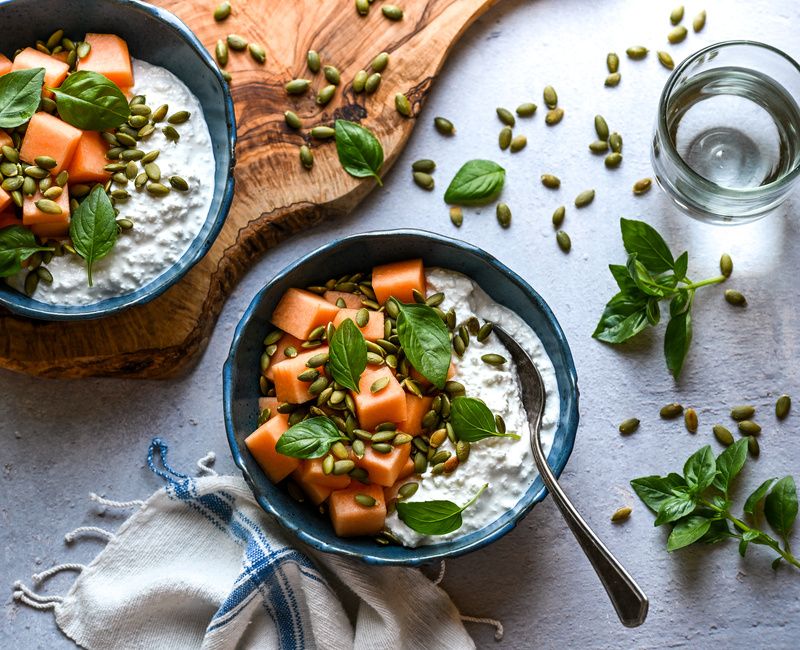

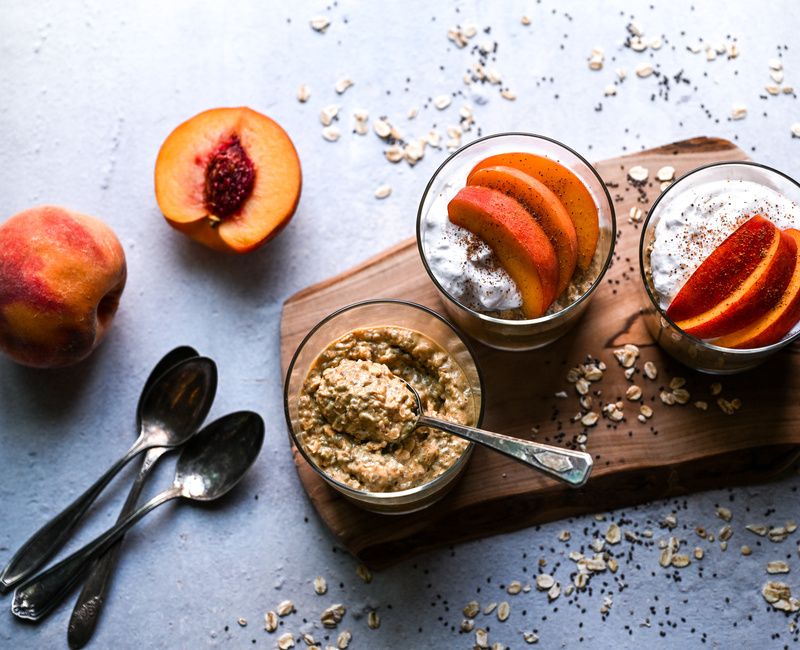


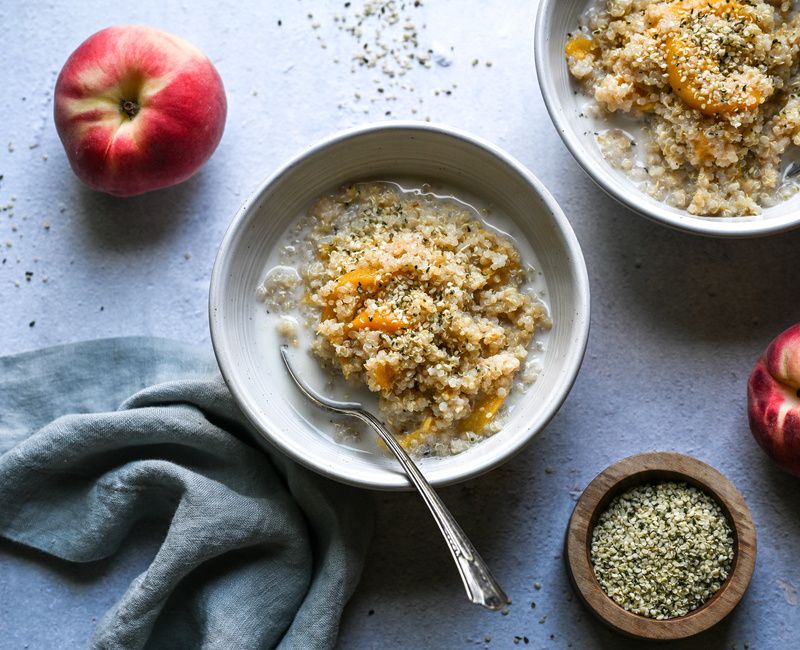




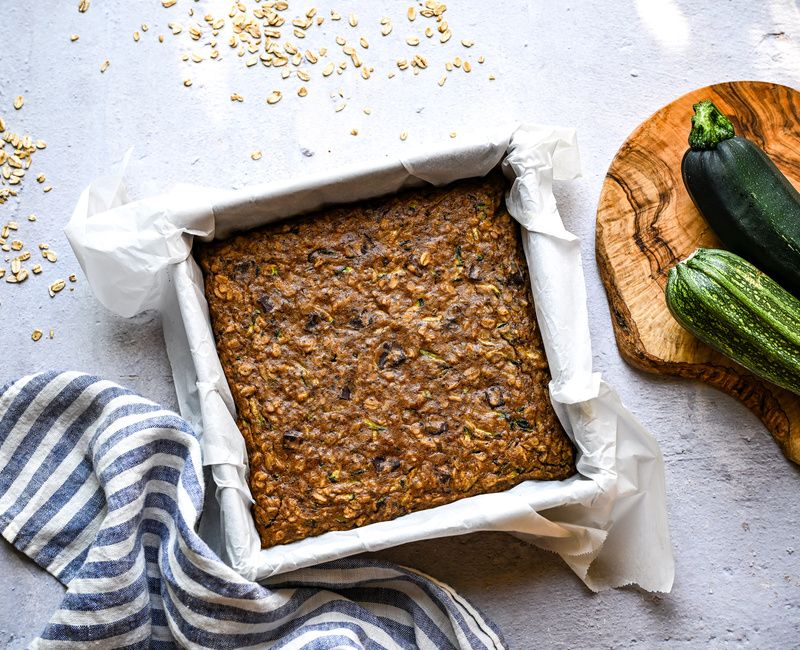








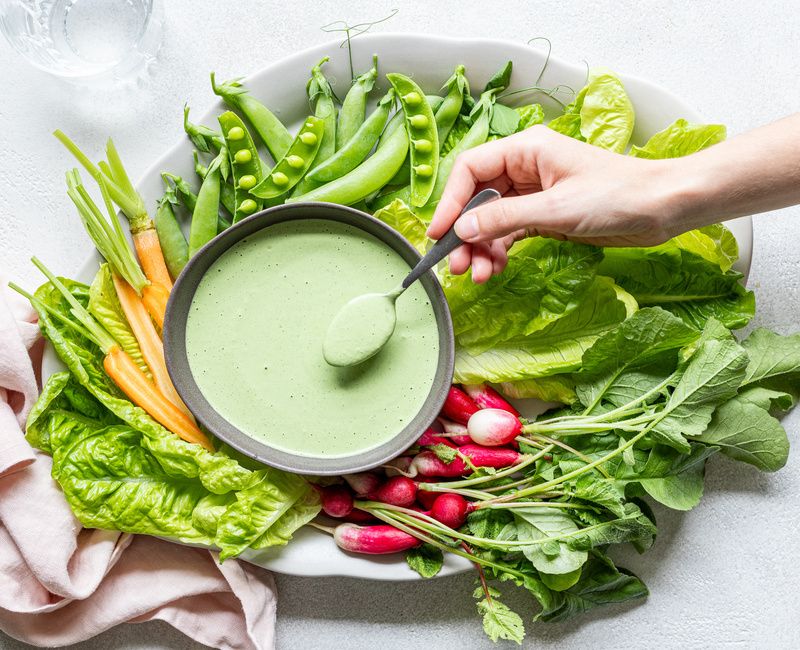




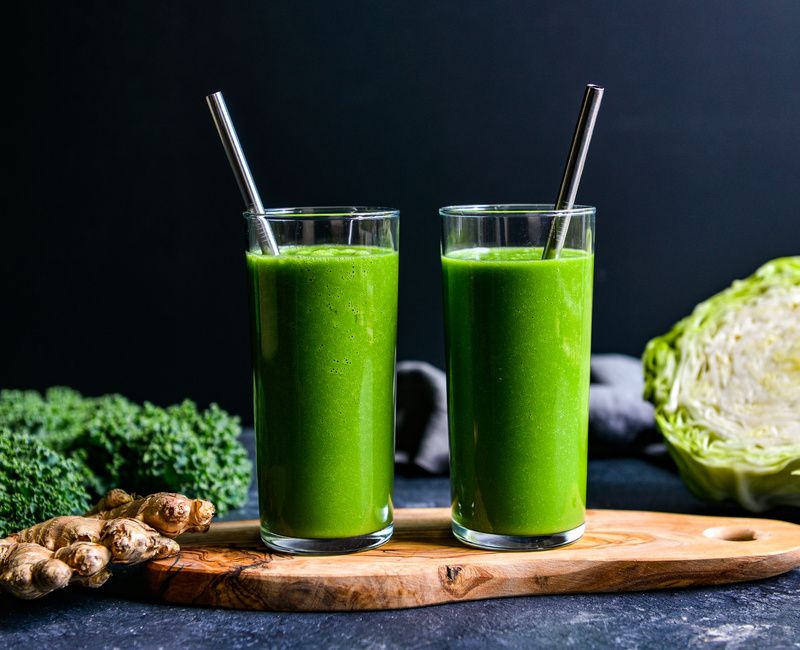
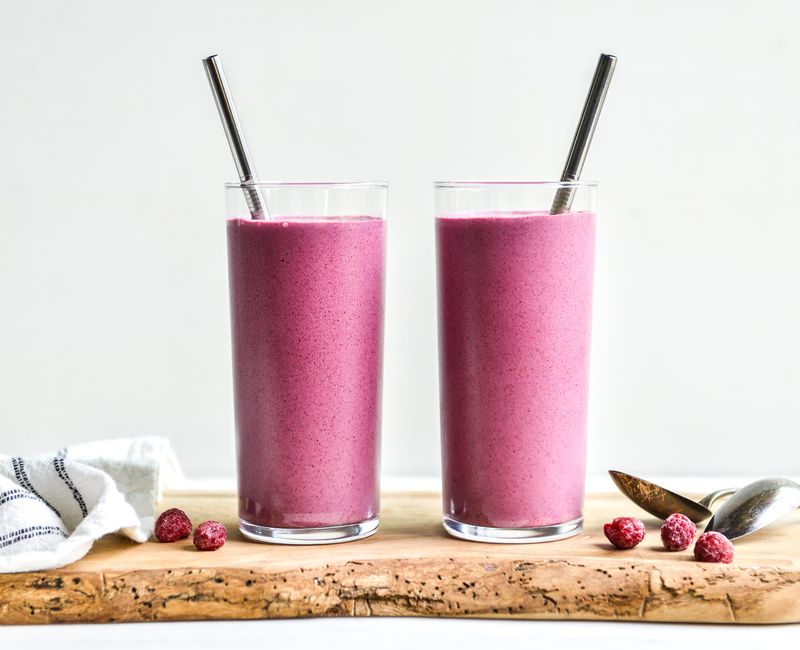

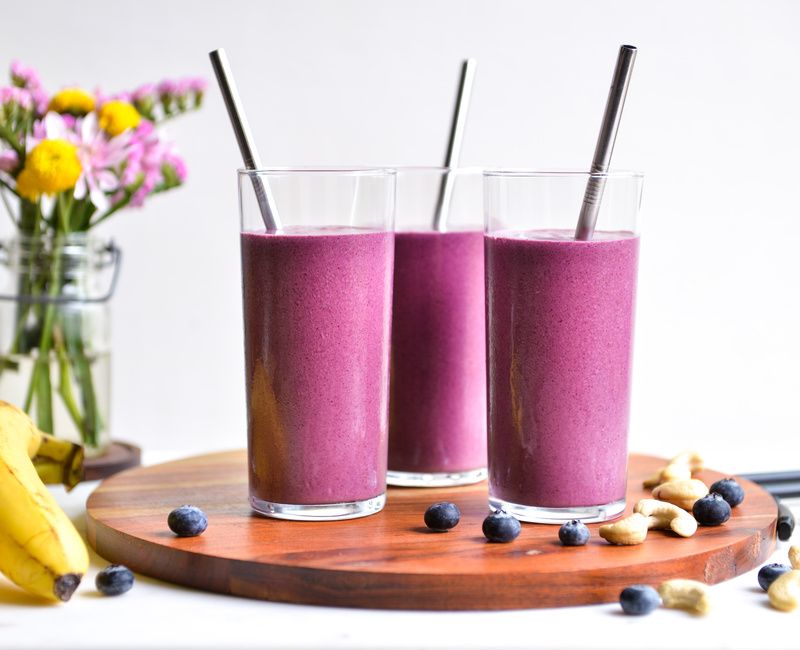

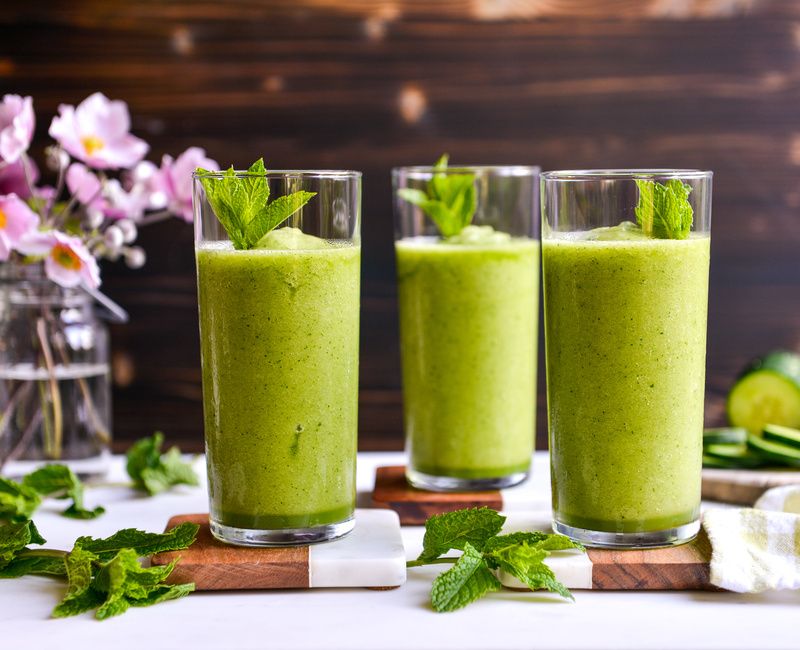


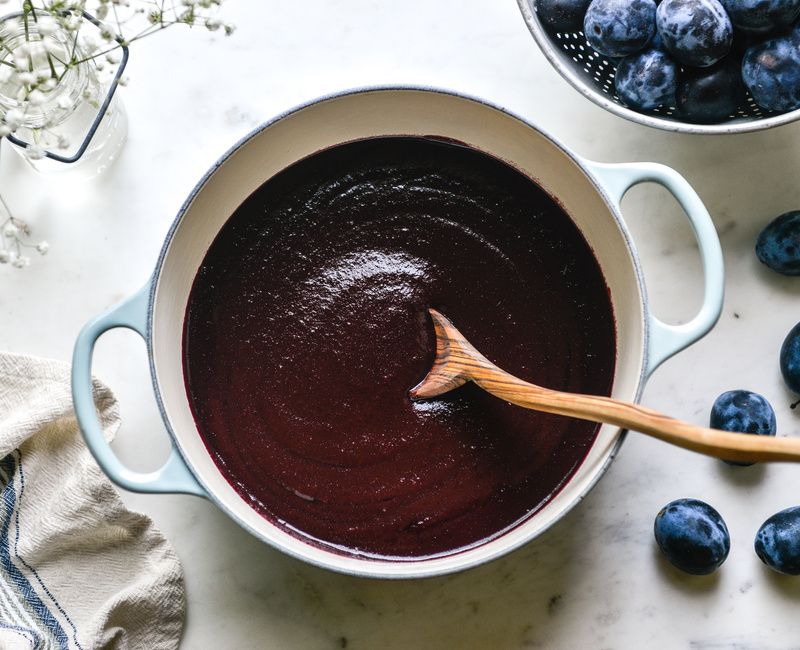
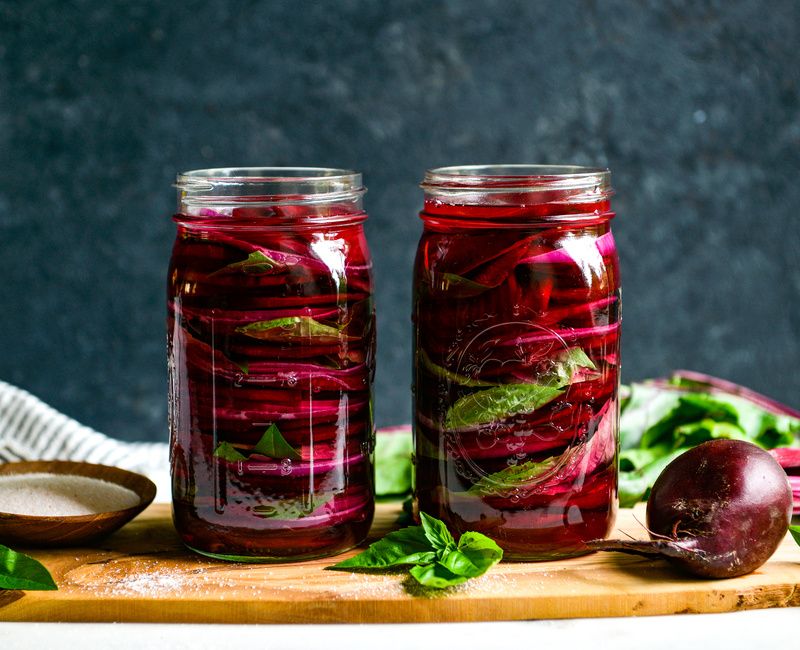
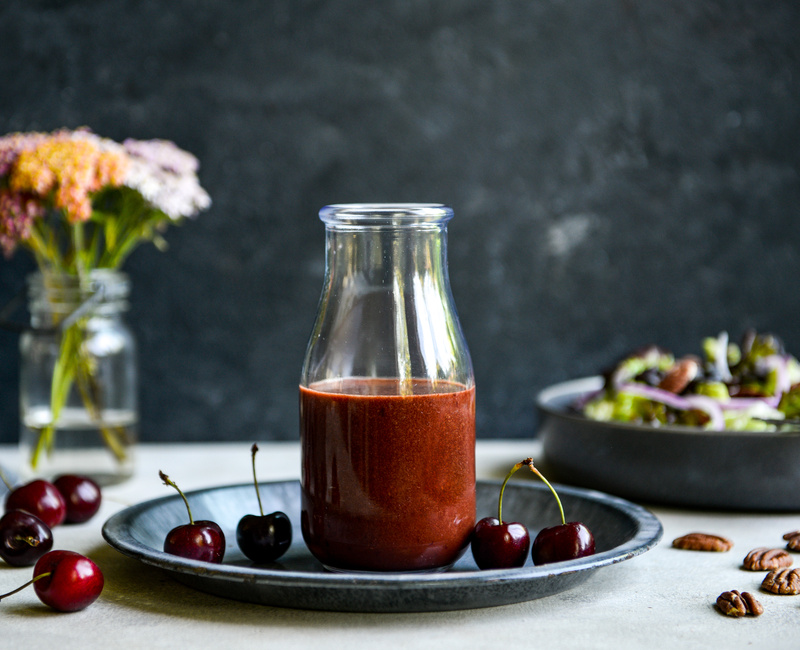
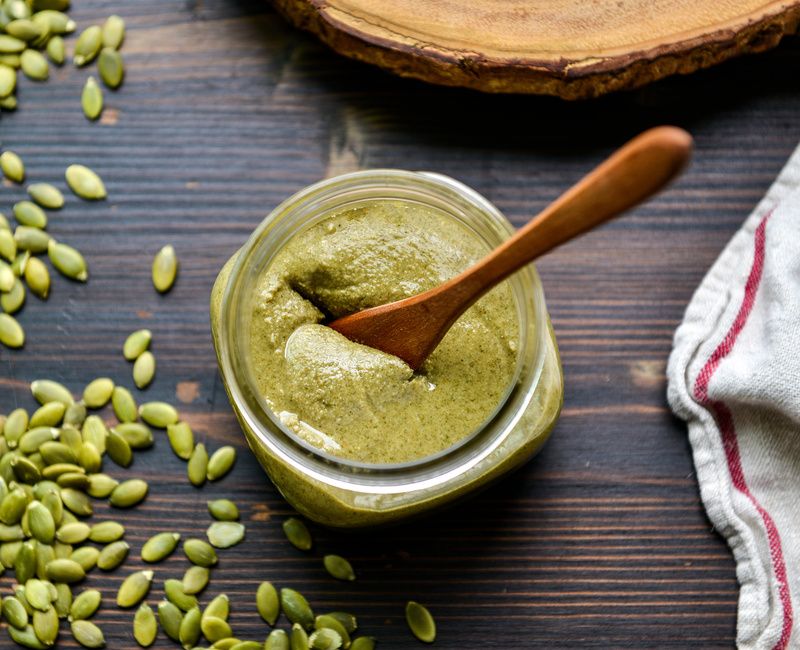
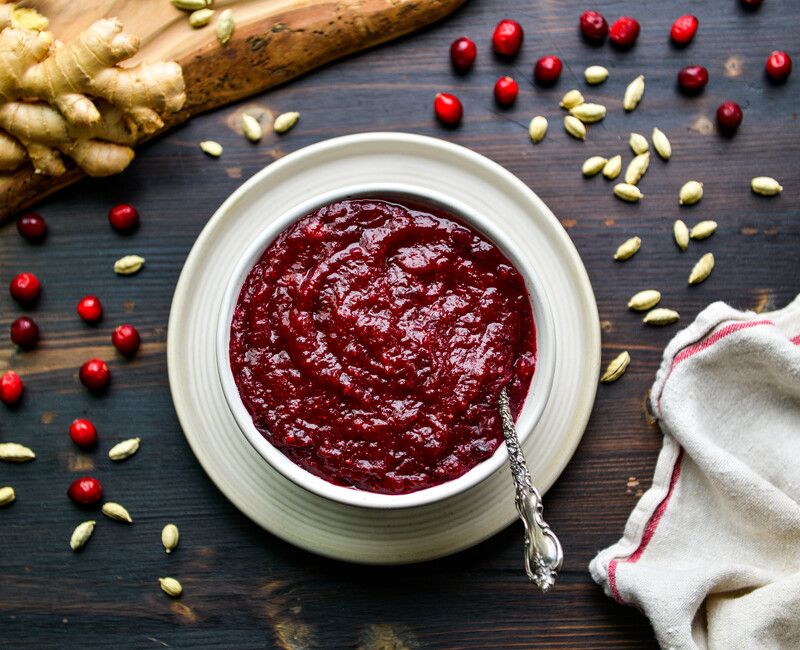

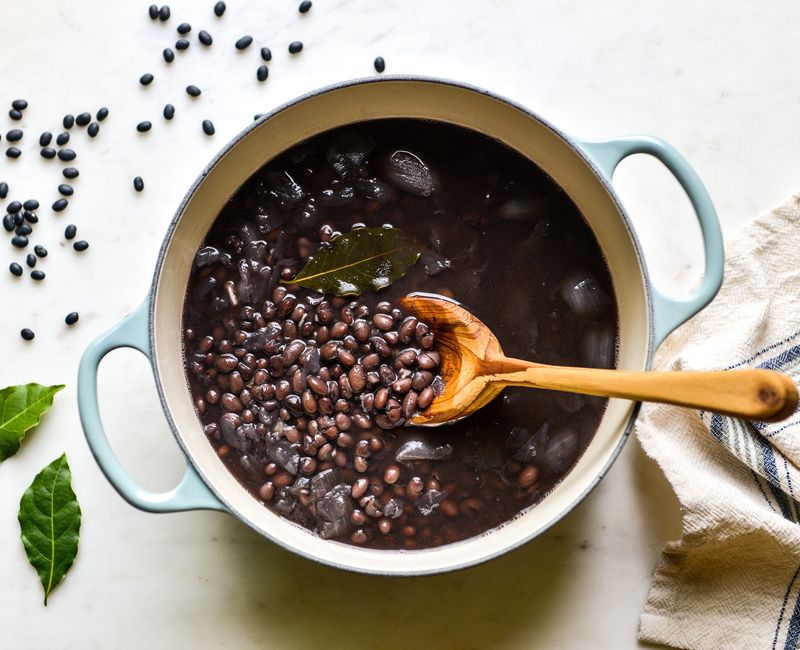
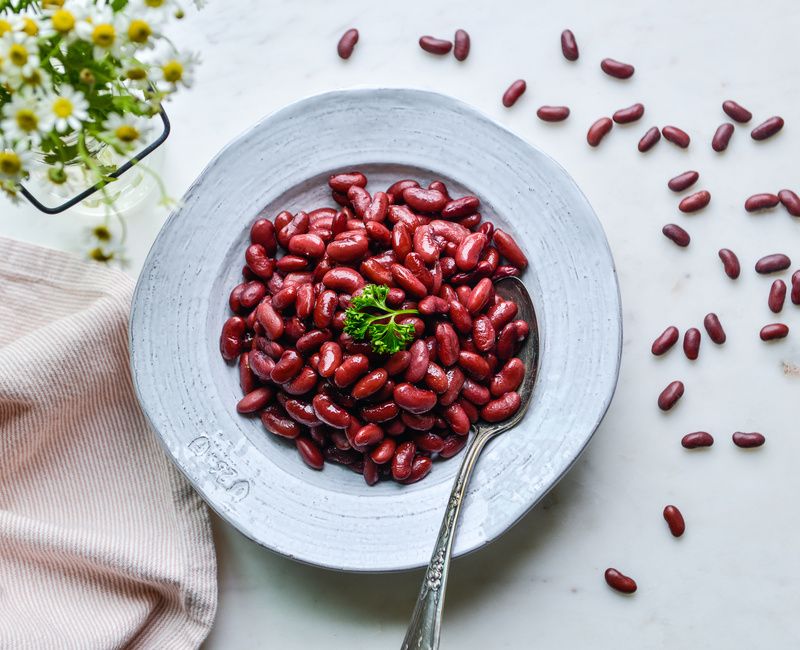
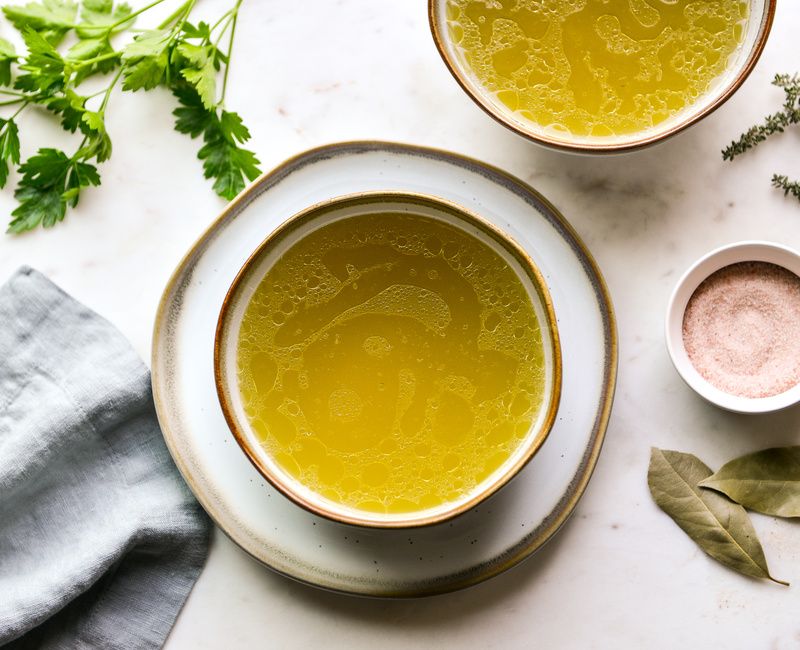


Citrus-Free Safe with Modifications
Here are some recipes you can modify.

What Is a Citrus-Free Diet?
A Citrus-Free Diet removes all fruits from the citrus family (Rutaceae genus Citrus) and any ingredients derived from them.
Citrus fruits are naturally high in:
- Citric acid, which contributes to their tart flavor
- Ascorbic acid (vitamin C)
- Flavonoids and essential oils, particularly in the peel
While these compounds can be beneficial, they may also contribute to symptoms in sensitive individuals.
Citrus may affect the body through:
- Acidic irritation, especially in individuals with reflux or sensitive mucosal tissues
- Histamine-related responses, as citrus can act as a histamine liberator in some people
- Oral or skin sensitivity, including tingling, itching, or rashes
- Cross-reactivity, particularly in individuals with pollen-food sensitivities
A Citrus-Free Diet removes all citrus to reduce these potential triggers and support a calmer internal environment.
Who Is the Citrus-Free Diet For?
This diet may be supportive if you:
For digestive or upper GI support:
- Experience acid reflux, heartburn, or throat irritation
- Notice discomfort after consuming citrus fruits or juices
For immune or skin-related responses:
- Experience itching, hives, or skin flares after citrus
- Have histamine sensitivity or mast cell activation patterns
For oral sensitivity:
- Experience mouth sores, burning, or irritation with acidic foods
For therapeutic exploration:
- Are in an Elimination Diet phase
- Want to identify whether citrus is contributing to symptoms
How Does the Citrus-Free Diet Work?
Removing citrus reduces exposure to acidic compounds and bioactive plant chemicals that may be irritating or reactive for some individuals.
This can help:
- Calm the digestive tract
- Reduce reflux or upper GI discomfort
- Support skin and immune balance
- Allow sensitive tissues to heal
Because citrus is often used frequently in small amounts, removing it can reduce cumulative irritation over the course of the day.
Citrus tolerance exists on a spectrum. Some individuals benefit from removing all citrus temporarily, then reintroducing small amounts to assess tolerance as symptoms improve.
Citrus Reintroduction for Non-Allergic Individuals
If citrus is removed for sensitivity or irritation (not allergy), reintroduction can be gradual.
Strategies may include:
- Starting with small amounts (a squeeze of lemon or lime)
- Consuming citrus with meals rather than on an empty stomach
- Observing symptoms over 24 to 48 hours
- Introducing one type of citrus at a time
Some individuals tolerate certain citrus fruits better than others.
Foods to Eat on a Citrus-Free Diet
Vegetables:
- All fresh vegetables
Fruits (Non-Citrus):
- Apples, pears
- Berries
- Melons
- Stone fruits (peaches, plums, cherries)
- Mango, banana
Proteins:
- Grass-fed beef, lamb
- Poultry
- Wild-caught fish
- Eggs
- Legumes (if tolerated)
Healthy Fats:
- Olive oil
- Coconut oil
- Avocado oil
- Ghee or butter (if tolerated)
- Avocados
- Nuts and seeds
Flavor Alternatives to Citrus:
- Vinegars (apple cider vinegar, balsamic, rice vinegar)
- Pomegranate molasses
- Sumac
- Green apple or cranberry for tartness
- Fresh herbs (parsley, cilantro, basil)
Grains (If Included):
- Rice
- Quinoa
- Millet
- Buckwheat
- Gluten-free oats
Foods to Avoid on a Citrus-Free Diet
Remove all citrus fruits and citrus-derived ingredients.
Citrus Fruits:
- Lemon
- Lime
- Orange
- Grapefruit
- Tangerine
- Clementine
- Mandarins
- Pomelo
- Kumquat
- Yuzu
Citrus Juices and Zest:
- Lemon juice
- Lime juice
- Orange juice
- Grapefruit juice
- Citrus zest (peel)
Citrus-Derived Ingredients:
- Citron
- Bergamot (including Earl Grey flavoring)
- Citrus extracts
- Citrus oils
Processed Foods to Watch:
- Salad dressings
- Marinades
- Beverages and flavored waters
- Desserts and baked goods
- Seasoning blends
Benefits of a Citrus-Free Diet
- Reduced reflux and digestive irritation
- Calmer skin and immune response
- Less oral sensitivity
- Greater clarity around personal tolerance
Challenges and Considerations
- Citrus is commonly used in dressings, marinades, and beverages
- It may appear in small amounts across many meals
- Flavor balance may need adjustment when cooking without acidity
For many individuals, removing citrus is not permanent, but a way to create space for healing and better understand how the body responds.
How Do I Start a Citrus-Free Diet?
- Sign up for a Nourishing Meals® Membership and create your account
- Select “Citrus-Free” in your diet profile
- Combine with other dietary filters as needed
- Explore citrus-free recipes and build weekly meal plans
- Stock your kitchen with alternative acids and fresh herbs
- Track your symptoms and observe changes