

















































Lactose-Free

Sometimes the body responds quickly after consuming dairy—bloating, cramping, loose stools, or a sense of urgency shortly after eating foods like milk, ice cream, or soft cheeses. In these cases, lactose—the natural sugar found in dairy—may not be fully digested due to low levels of the enzyme lactase.

Other times, the symptoms are more subtle. Ongoing digestive discomfort. Gas that builds throughout the day. Skin irritation. Brain fog. For some individuals, undigested lactose can ferment in the gut, contributing to microbial imbalance and low-grade inflammation.

A Lactose-Free Diet removes foods that contain lactose to reduce digestive strain and support gut comfort. For some, this is a long-term way of eating. For others, it is a temporary therapeutic approach to calm the digestive system and restore balance.

GROUND BEEF AND POTATO TACO BOWLS DAIRY-FREE-1

Lactose-Free Safe with Modifications

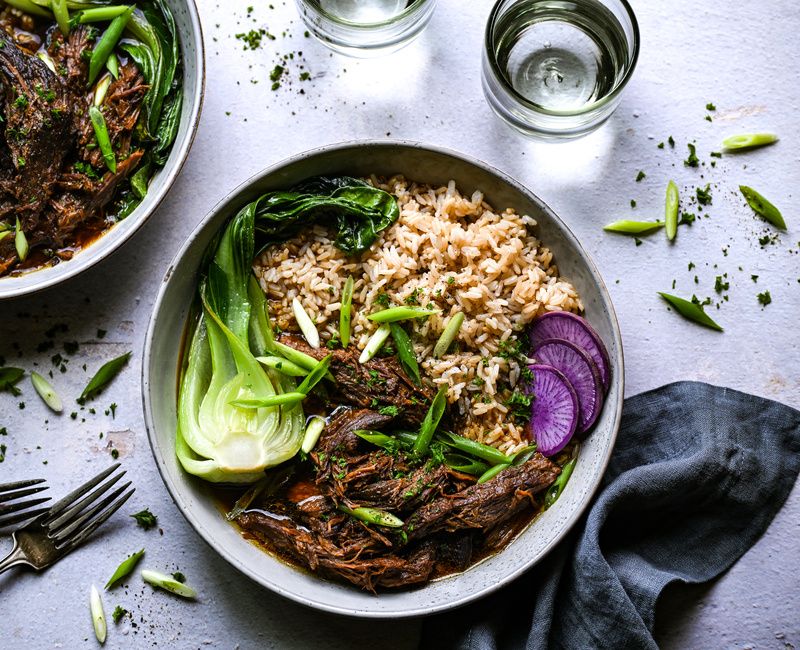
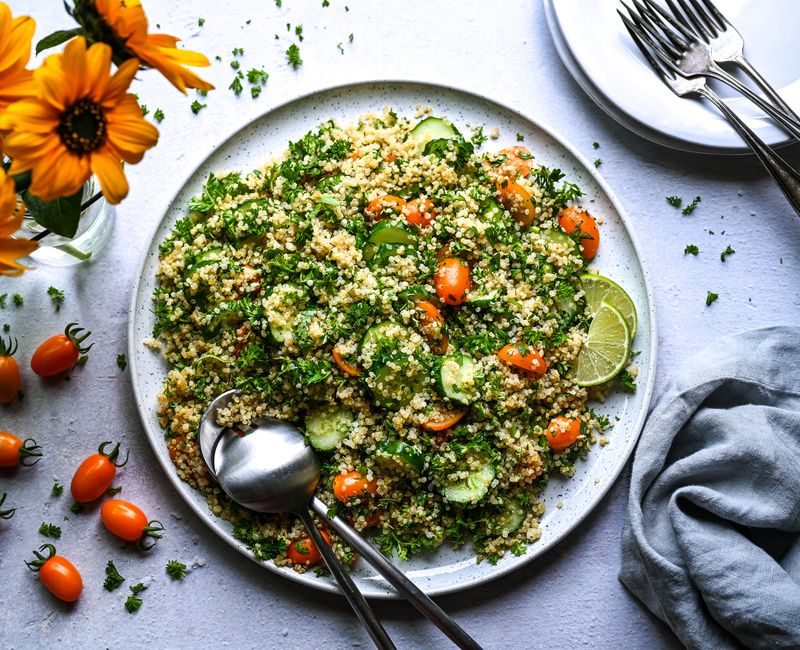
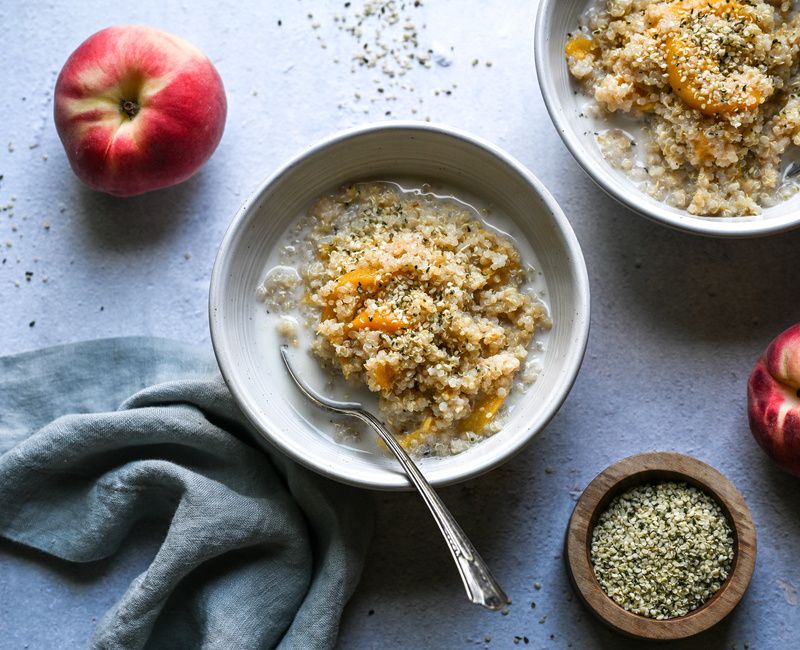
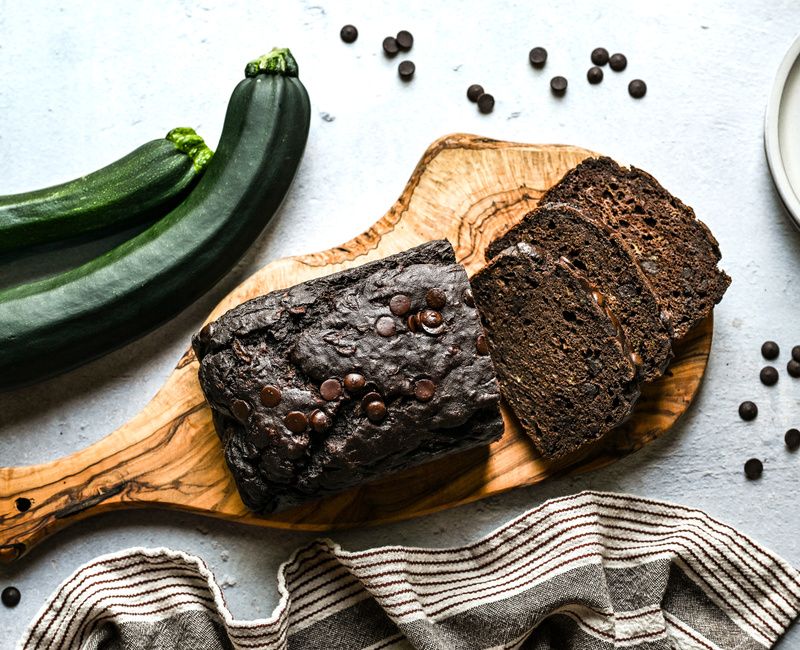
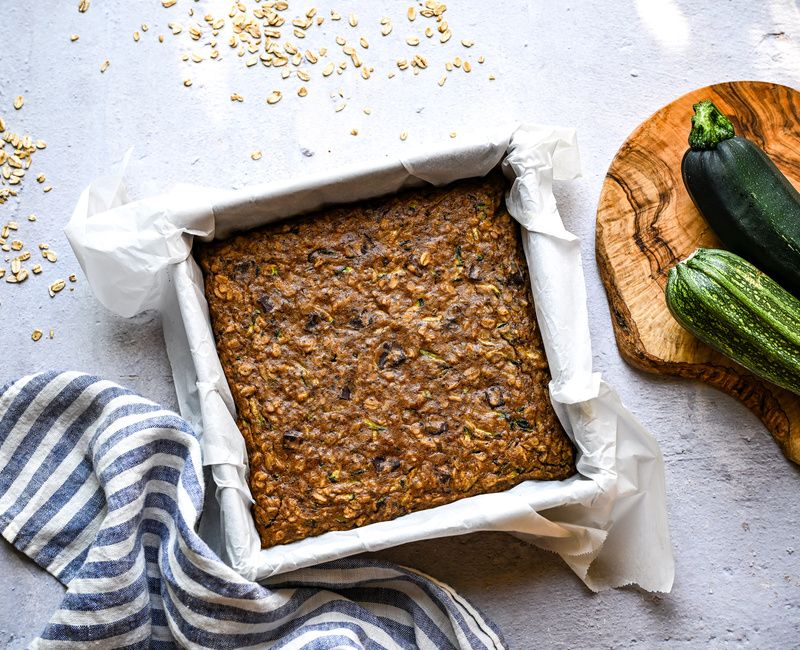
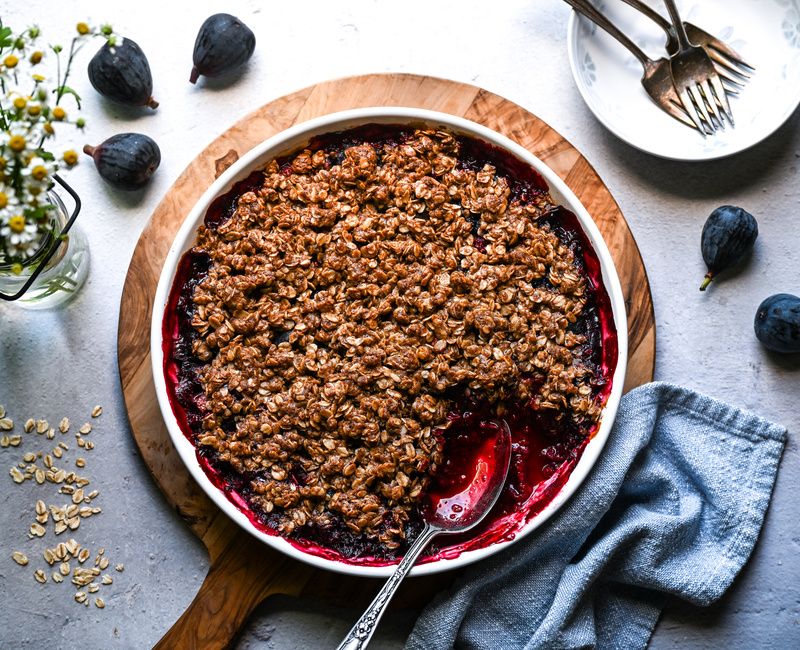
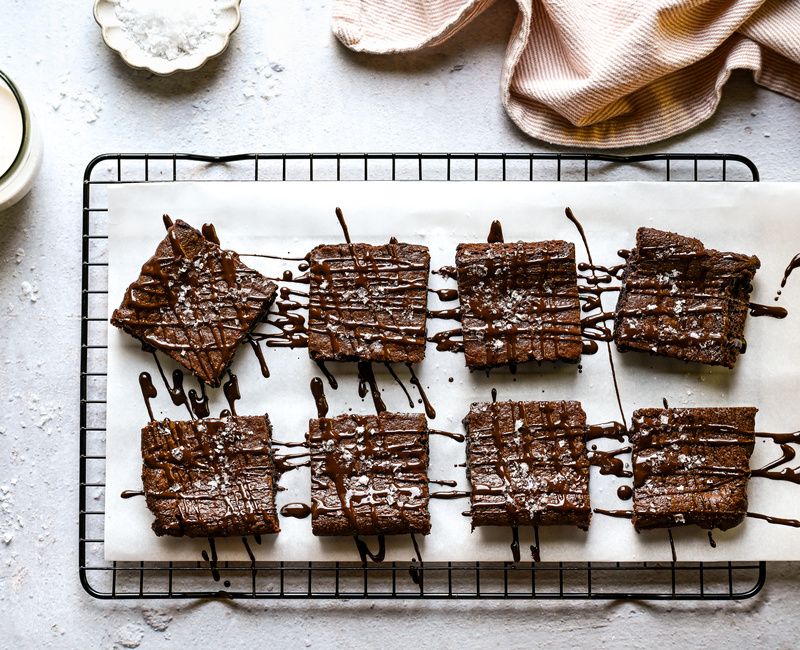
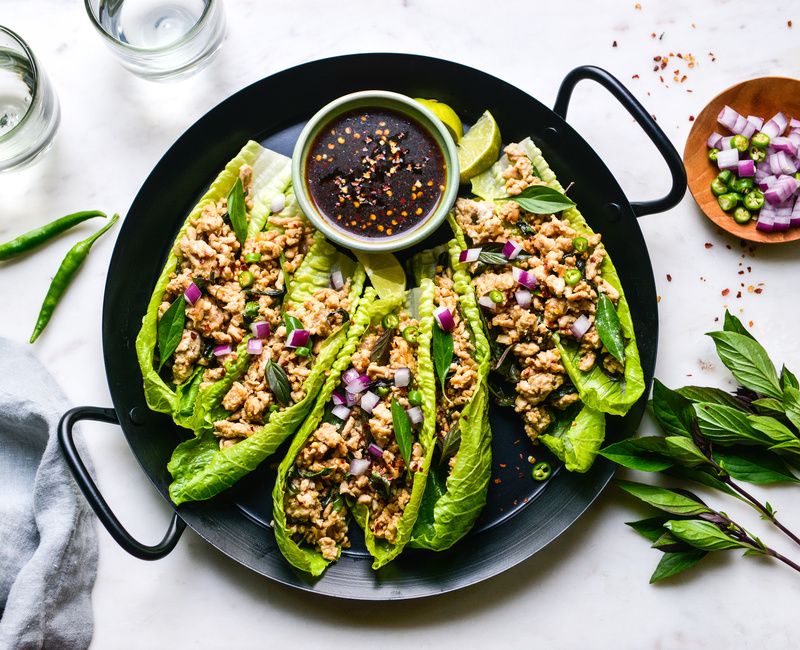
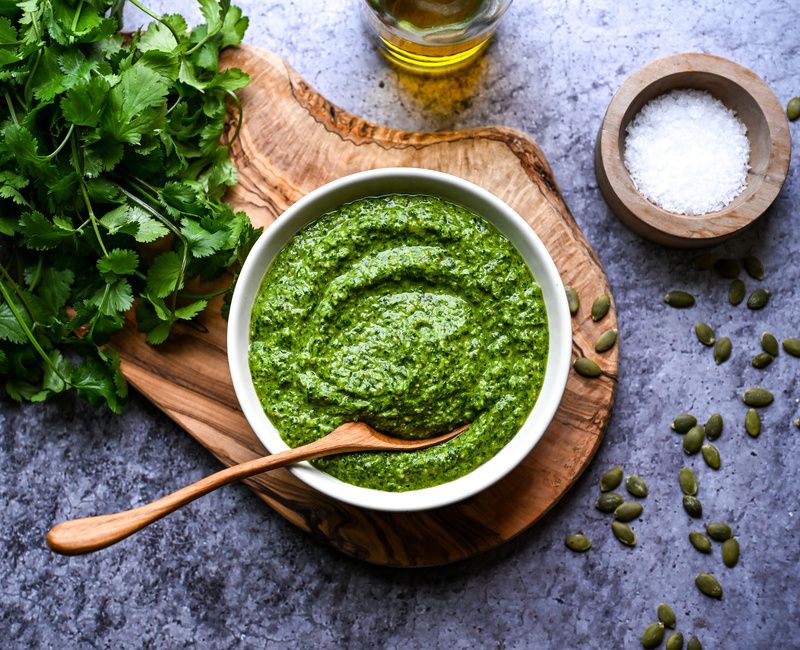
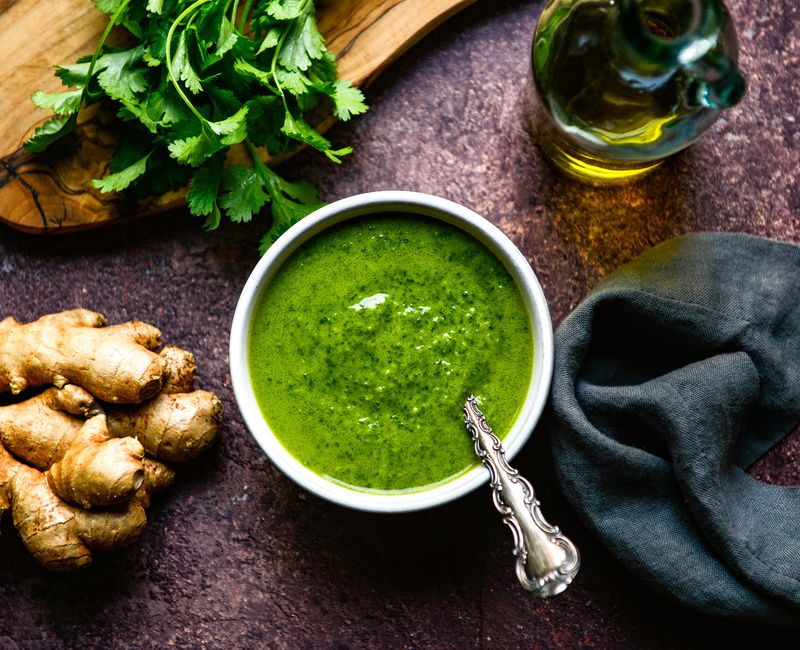
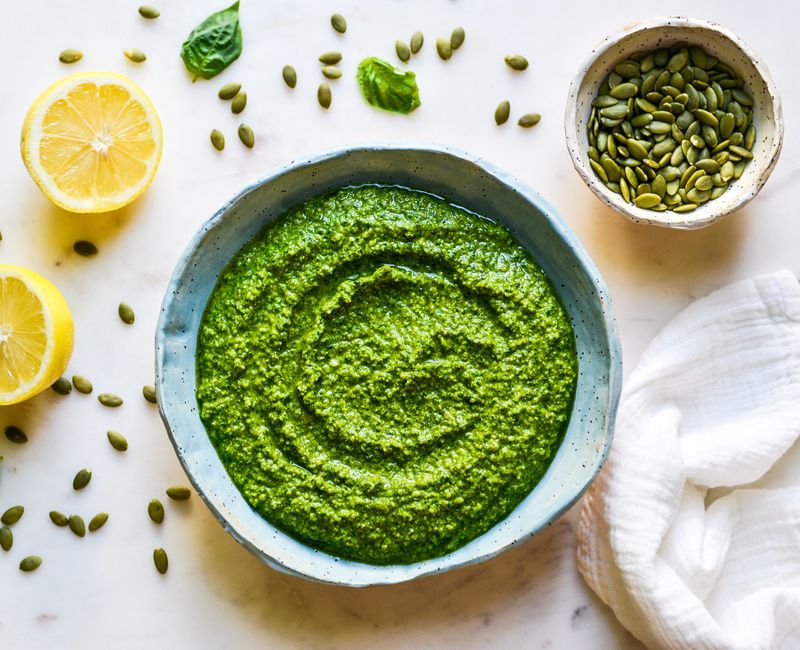
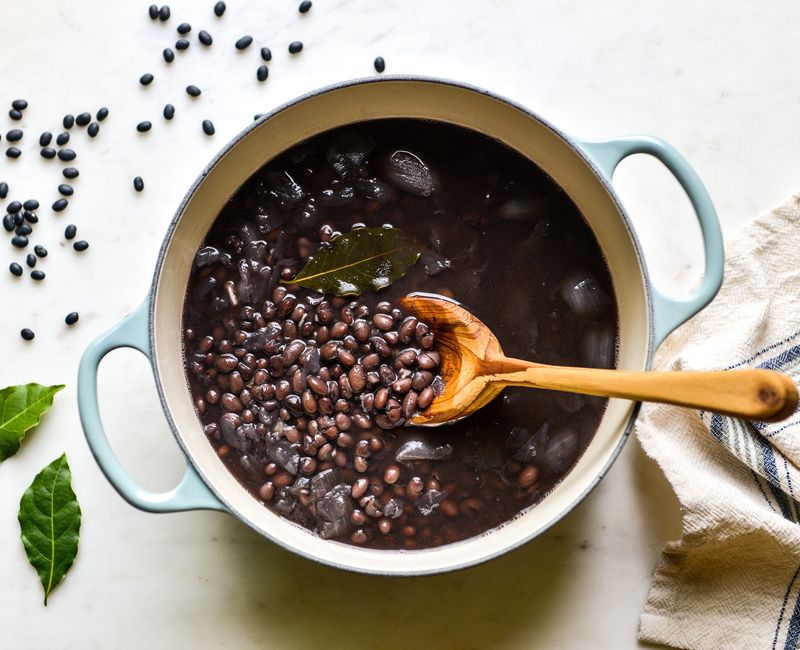
Here are some recipes you can modify.

What Is a Lactose-Free Diet?

A Lactose-Free Diet removes or significantly reduces lactose-containing foods—primarily dairy products such as milk, soft cheeses, yogurt, and ice cream.

Lactose is a disaccharide composed of glucose and galactose. It requires the enzyme lactase, produced in the small intestine, to be properly broken down and absorbed.

When lactase levels are insufficient, lactose passes undigested into the colon, where it is fermented by gut bacteria. This process can produce gas, bloating, abdominal discomfort, and changes in bowel movements.

Lactose intolerance exists on a spectrum:

  • Primary lactase deficiency (most common, increases with age)
  • Secondary lactase deficiency (due to gut inflammation, infection, or damage)
  • Congenital lactase deficiency (rare)

In a Lactose-Free Diet, foods containing lactose are removed or replaced with lactose-free alternatives. Some individuals may tolerate small amounts or specific forms of dairy (like aged cheeses or lactose-free products), while others benefit from complete avoidance during healing phases.


Who Is the Lactose-Free Diet For?

This diet may be supportive if you:

For lactose intolerance:

  • Experience bloating, gas, or diarrhea after consuming dairy
  • Have been diagnosed with lactose intolerance
  • Notice improvement when avoiding milk or soft dairy products

For digestive support:

  • Have IBS or functional digestive symptoms
  • Are healing from gut inflammation or infection
  • Experience dysbiosis or fermentation-related discomfort

For broader therapeutic approaches:

  • Are in an Elimination Diet phase and assessing dairy tolerance
  • Are working to restore gut integrity and enzyme function

If your symptoms extend beyond lactose digestion, you may also explore:


How Does the Lactose-Free Diet Work?

Removing lactose reduces the burden on the digestive system by eliminating a carbohydrate that cannot be fully broken down. 

This can help:

  • Reduce gas and bloating
  • Improve stool consistency
  • Decrease abdominal discomfort
  • Support a more balanced gut environment

When digestion is impaired, even small amounts of lactose can create noticeable symptoms. Removing it allows the gut to settle and function more efficiently. 

*Lactose tolerance exists on a spectrum. Some individuals feel best removing all lactose initially, then reintroducing lower-lactose foods gradually as digestion improves.

Lactose Reintroduction for Non-Allergic Individuals

For those without a dairy protein allergy, lactose tolerance may improve over time.

Reintroduction strategies may include:

  • Starting with small amounts of lactose-free or low-lactose dairy
  • Consuming dairy alongside meals to slow digestion
  • Supporting digestion with enzymes or gut-healing protocols
  • Observing symptoms over 24 to 48 hours

As gut health improves, some individuals regain the ability to tolerate moderate amounts of lactose.


Foods to Eat on a Lactose-Free Diet

Vegetables:

  • All fresh vegetables
  • Leafy greens, cruciferous vegetables, root vegetables

Fruits:

  • All fresh fruits

Proteins:

  • Grass-fed beef, lamb
  • Poultry
  • Wild-caught fish
  • Eggs

Healthy Fats:

  • Olive oil
  • Coconut oil
  • Avocado oil
  • Avocados
  • Ghee (typically lactose-free due to clarification)

Dairy Alternatives:

  • Almond milk, coconut milk, oat milk
  • Cashew yogurt, coconut yogurt

Low-Lactose Foods (Often Better Tolerated):

  • Aged cheeses (cheddar, parmesan, gouda, manchego)
  • Ghee
  • Lactose-free dairy products

During cheese aging, lactose is broken down by bacteria, making these options easier to digest for many individuals.

Grains (If Included):

  • Rice
  • Quinoa
  • Millet
  • Buckwheat
  • Gluten-free oats

Foods to Avoid on a Lactose-Free Diet

High-Lactose Foods (Best Avoided Initially):

  • Milk (cow, goat, sheep)
  • Ice cream
  • Soft cheeses (ricotta, cottage cheese, cream cheese)
  • Cream, half-and-half
  • Conventional yogurt (unless lactose-free)

Moderate-Lactose Foods (Individual Tolerance Varies):

  • Fresh goat cheese (chèvre)
  • Fresh mozzarella
  • Brie, Camembert
  • Kefir (depending on fermentation)

These foods contain less lactose than milk but may still trigger symptoms in sensitive individuals. Tolerance often depends on gut health, enzyme activity, and portion size.

Hidden Sources of Lactose:

  • Milk powder
  • Whey
  • Milk solids
  • Some protein powders
  • Packaged foods containing dairy derivatives

Processed Foods to Watch:

  • Baked goods
  • Cream-based sauces
  • Processed snacks
  • Chocolate (milk chocolate especially)

Benefits of a Lactose-Free Diet

  • Reduced bloating and gas
  • Improved digestion and bowel regularity
  • Increased comfort after meals
  • Greater clarity around dairy tolerance
  • Support for gut healing

Challenges and Considerations

  • Lactose is common in packaged and restaurant foods
  • Labels may include hidden dairy derivatives
  • Calcium intake may need attention without dairy
  • Some individuals confuse lactose intolerance with dairy protein sensitivity

For many, this approach is not about permanent restriction, but about understanding personal tolerance and supporting digestive ease.


How Do I Start a Lactose-Free Diet?

  1. Sign up for a Nourishing Meals® Membership and create your account
  2. Select “Lactose-Free” in your diet profile
  3. Combine with other dietary filters as needed (gluten-free, egg-free, etc.)
  4. Explore lactose-free recipes and build weekly meal plans
  5. Stock your kitchen with whole foods and dairy-free alternatives
  6. Track symptoms and observe how your body responds
Plan Length Actions

Fast Family Meals

7 days

Please login to view and schedule plans

End Of Summer Family Meals

10 days

Please login to view and schedule plans

Low-Histamine Christmas Dinner

1 day

Please login to view and schedule plans

Low-FODMAP Thanksgiving

0 days

Please login to view and schedule plans