















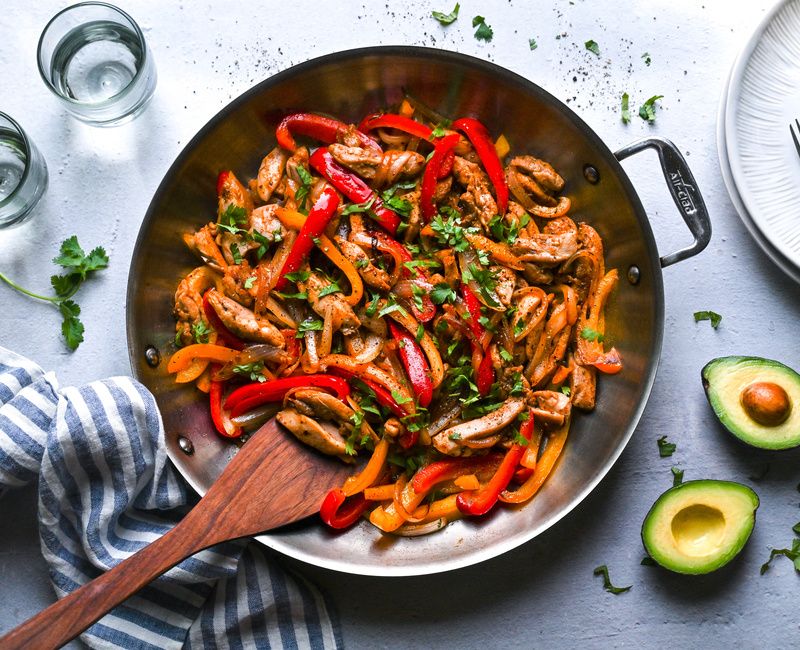
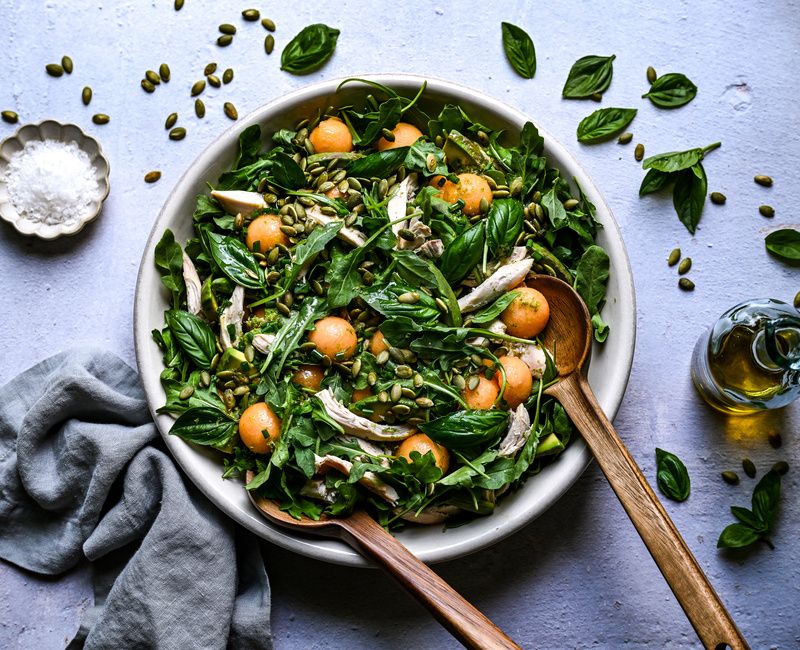


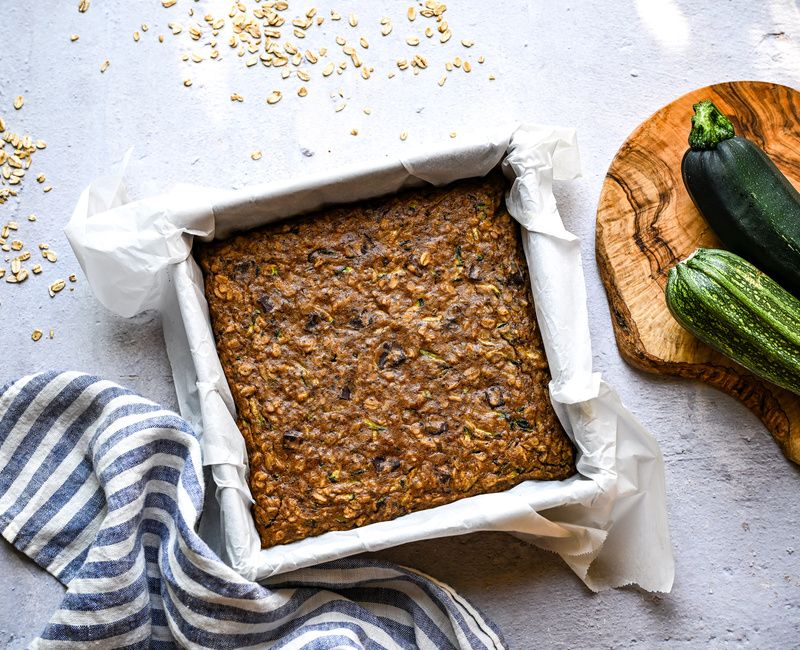





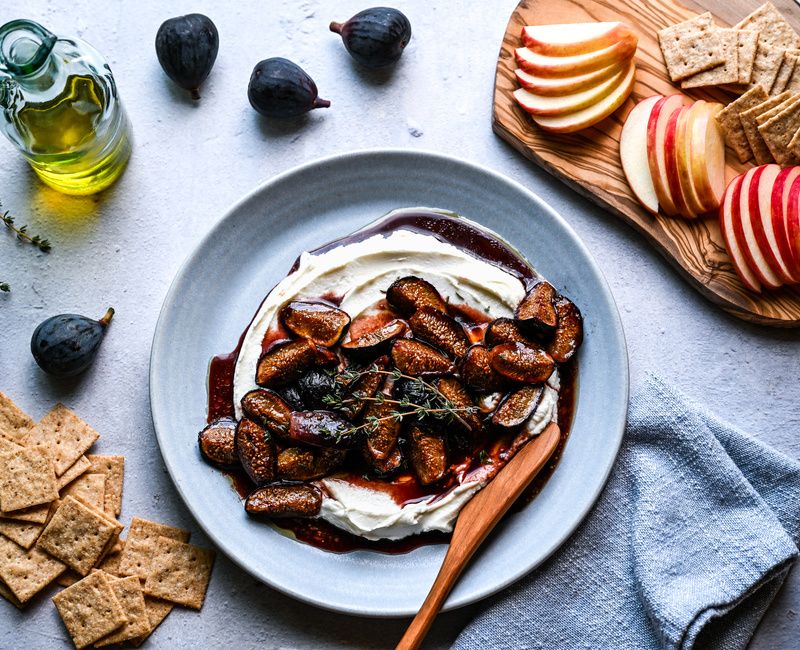






















Legume-Free
Sometimes symptoms are immediate and unmistakable—hives, swelling, throat tightness, or a rapid onset of digestive distress after eating a food like peanuts, soy, or lentils. In these cases, legumes may be triggering an IgE-mediated allergic response that requires complete avoidance.
Other times, the reaction is quieter. Bloating that builds throughout the day. Joint stiffness. Skin flares. Brain fog. Digestive heaviness. For some individuals, legumes can contribute to gut irritation, immune activation, or fermentation discomfort—particularly when the digestive system is inflamed or imbalanced.
A Legume-Free Diet removes all foods from the Fabaceae (legume) family. For some, this removal is essential for safety. For others, it is a temporary therapeutic strategy to calm the gut, reduce immune reactivity, and restore digestive resilience.
Latest Egg-Free Recipes
What is a Legume-Free Diet?
A Legume-Free Diet removes all foods from the Fabaceae family—commonly known as legumes. This plant family includes beans, lentils, peas, chickpeas, soy, peanuts, lupin, and legume-derived flours and protein isolates. While legumes are nutrient-dense and supportive for many people, they can provoke immune or digestive symptoms in others.
Legumes contain storage proteins, lectins, and fermentable carbohydrates that serve protective functions for the plant. In the human body, these compounds may interact with the immune system or digestive tract in different ways depending on the individual.
For those with a confirmed IgE-mediated allergy, specific legume proteins can trigger rapid immune activation and histamine release. Symptoms may include hives, swelling, wheezing, gastrointestinal distress, or in severe cases, anaphylaxis. In this context, strict and ongoing avoidance is necessary to prevent reactions and maintain safety.
For others, legumes may contribute to symptoms through non-allergic pathways. Fermentable carbohydrates such as galacto-oligosaccharides (GOS) can increase bloating and gas in individuals with IBS or SIBO. Lectins and saponins may irritate a compromised gut lining or amplify immune signaling in those navigating autoimmune conditions. In these cases, a temporary removal can allow inflammation to calm and the digestive system to rebalance.
In a Legume-Free Diet, all members of the legume family—including immature forms like green beans, pea pods, and sprouts—are removed for a defined period of time, or long term in the case of allergy. After a healing phase, individuals without allergy may choose to reintroduce properly prepared legumes gradually and mindfully to assess tolerance.
Who is the Legume-Free Diet For?
This diet may be supportive if you:
For allergy:
- Have a diagnosed peanut, soy, pea, lentil, chickpea, or other legume allergy
- Have experienced IgE-mediated reactions
- Have been advised by an allergist to avoid legumes
For digestive or immune reasons:
- Experience bloating, gas, or IBS symptoms after legumes
- Have SIBO or dysbiosis
- Are navigating autoimmune disease
- Feel heavy, inflamed, or reactive after bean-based meals
- Are in a gut-healing phase and want to simplify inputs
If your primary symptoms are digestive fermentation (bloating, gas, IBS patterns), you may also explore:
- Low-FODMAP Diet (targets fermentable carbohydrates)
- SIBO-Specific Diet (targets bacterial overgrowth patterns)
If you are navigating autoimmune reactivity, you may explore:
AIP removes legumes to reduce immune stimulation and gut barrier stress during an elimination phase. Low-FODMAP and SIBO protocols reduce certain legumes primarily to lower fermentable carbohydrate load. These approaches address different mechanisms than IgE allergy.
How Does the Legume-Free Diet Work?
For allergy, removal prevents immune activation by eliminating exposure to reactive legume proteins.
For digestive or autoimmune concerns, removal reduces:
- Fermentation burden
- Immune stimulation
- Gut barrier stress
- Inflammatory signaling
When the gut lining is inflamed or microbial balance is disrupted, legumes can feel difficult to digest. Temporarily removing them allows the digestive system to calm and repair.
In non-allergic cases, legumes can often be reintroduced gradually once gut function improves.
Legume Reintroduction for Non-Allergic Individuals:
If legumes are removed for digestive or autoimmune reasons (not IgE allergy), reintroduction can be thoughtful and gradual.
Strategies may include:
- Soaking and thoroughly cooking legumes
- Starting with 1 tablespoon of well-cooked lentils or split mung beans
- Assessing tolerance over 24 to 48 hours
- Supporting digestion with adequate stomach acid and enzyme activity
- Introducing one type at a time
As gut health improves, many individuals regain tolerance to modest portions of properly prepared legumes.
Reintroduction should never be attempted in cases of confirmed IgE-mediated allergy without medical supervision.
Foods to Eat on a Legume-Free Diet
Vegetables (Non-Legume):
- Leafy greens
- Cruciferous vegetables
- Carrots, beets, celery
- Zucchini, squash
- Sweet potatoes
- Onions, garlic, fennel
- Mushrooms, asparagus
Fruits:
- Apples, pears, berries
- Citrus, melons
- Stone fruits
- Bananas, mango
Proteins (Non-Legume):
- Grass-fed beef, lamb
- Poultry
- Wild-caught fish
- Eggs
- Nuts and seeds (if tolerated and not cross-reactive)
Healthy Fats:
- Olive oil
- Coconut oil
- Avocado oil
- Ghee or butter (if tolerated)
- Avocados
Grains (If Included):
- Rice
- Quinoa
- Millet
- Buckwheat
- Certified gluten-free oats
Foods to Avoid on a Legume-Free Diet
Remove all members of the Fabaceae family.
Beans:
- Black beans
- Kidney beans
- Pinto beans
- Navy beans
- White beans
- Fava beans
- Lima beans
- Mung beans
- Adzuki beans
- Green beans (string beans, haricots verts, yellow beans, romano beans)
- ...and others
Lentils:
- Brown lentils
- Green lentils
- Red lentils
- Black lentils
- French lentils
Peas:
- Green peas (including frozen peas)
- Split peas
- Snow peas
- Sugar snap peas
- Pea shoots
- Pea protein
- Pea fiber
Soy:
- Soybeans
- Tofu
- Tempeh
- Edamame
- Soy milk
- Soy flour
- Soy protein isolate
- TVP
- Miso
- Natto
- Soy sauce and tamari
- Condiments and sauces containing soy
Peanuts:
- Peanuts
- Peanut butter
- Peanut flour
- Groundnuts
Chickpeas:
- Garbanzo beans
- Chickpea flour
- Hummus
- Aquafaba
Lupin:
- Lupini beans
- Lupin flour
- Lupin protein
Other Legume-Derived Ingredients:
- Mesquite flour
- Carob
- Tamarind
- Fenugreek
- Alfalfa sprouts
- Clover sprouts
- Acacia (gum arabic)
Note on Fenugreek:
Fenugreek is a legume and may appear in spice blends under names such as fenugreek, methi, or kasuri methi. It is commonly found in curry powders, spice rubs, Ethiopian seasonings such as berbere, certain chili blends, and some commercial seasoning mixes. Always review ingredient labels carefully when following a strict legume-free diet.
Benefits of a Legume-Free Diet:
For allergy:
- Reduced risk of acute reactions
- Greater confidence and safety
- Fewer emergency interventions
For digestive or immune healing:
- Reduced bloating and fermentation
- Calmer gut lining
- Improved immune balance
- Clearer feedback during reintroduction
Challenges and Considerations
- Legumes are common in plant-based, gluten-free, and processed foods.
- Pea protein and soy derivatives are widely used in packaged products.
- Dining out requires ingredient awareness.
- Long-term legume avoidance may require attention to fiber intake.
For non-allergic individuals, the goal is often restoration of tolerance, not permanent restriction.
How Do I Start a Legume-Free Diet?
- Sign up for a Nourishing Meals® Membership and create your account.
- Select “Legume-Free” in your diet profile.
- You can combine this with gluten-free, egg-free, tree nut-free, or dairy-free settings depending on your needs.
- Access hundreds of legume-free recipes and build balanced weekly meal plans with automated grocery lists and prep reminders.
- Stock your kitchen with whole vegetables, clean proteins, nourishing fats, and supportive herbs.
- If removing legumes for digestive reasons, track your symptoms and plan for gradual reintroduction when appropriate.
- If removing legumes for allergy, maintain strict avoidance and work alongside your healthcare provider.
When food consistently irritates or inflames, clarity brings relief. Removing a reactive family of foods creates space for safety, calm, and deeper nourishment. Whether this is a lifelong boundary or a temporary healing phase, the goal is the same: to understand your body more fully and build meals that support strength, resilience, and ease.
| Plan | Length | Actions |
|---|---|---|
Clean Eating Thanksgiving Recipes |
0 days | Please login to view and schedule plans |
Grain-Free Holiday Desserts |
0 days | Please login to view and schedule plans |
Low-Histamine Thanksgiving |
0 days | Please login to view and schedule plans |
Paleo Thanksgiving Menu |
0 days | Please login to view and schedule plans |