
Wheat-Free
Wheat is one of the most widely consumed grains in the modern diet, appearing in everything from bread and pasta to sauces, snacks, and packaged foods. For many people, it is eaten multiple times a day—often without much awareness of how frequently it shows up.
While wheat can be well tolerated by some, others notice that reducing or removing it brings a surprising sense of lightness—less bloating after meals, steadier energy, clearer thinking, or improved digestion. In these cases, wheat may be contributing to digestive strain, immune activation, or sensitivity to certain carbohydrates found within the grain.
A Wheat-Free Diet removes all forms of wheat, including modern and ancient varieties such as spelt, einkorn, and farro. For some, this approach helps identify whether wheat itself is a key trigger. For others, it becomes a longer-term way of eating that supports greater comfort, clarity, and overall well-being.
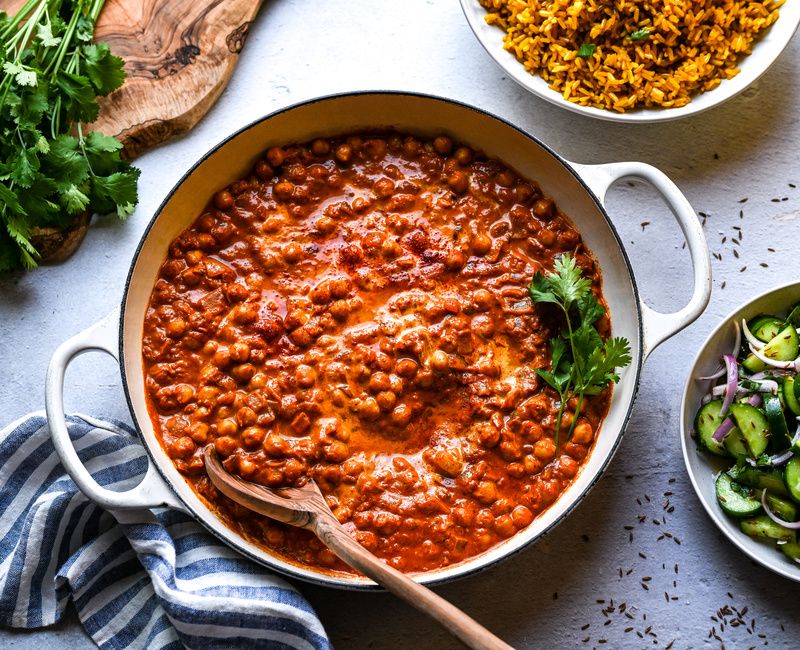
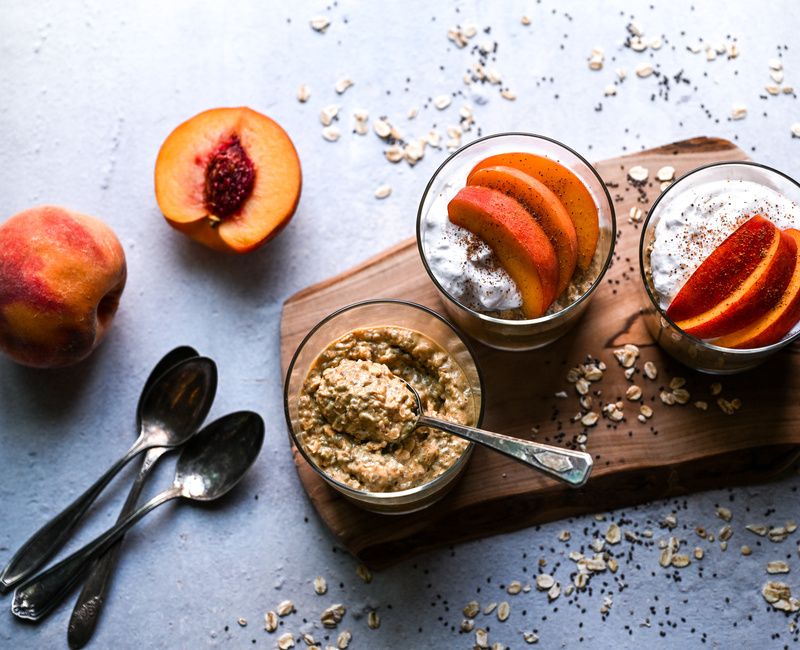
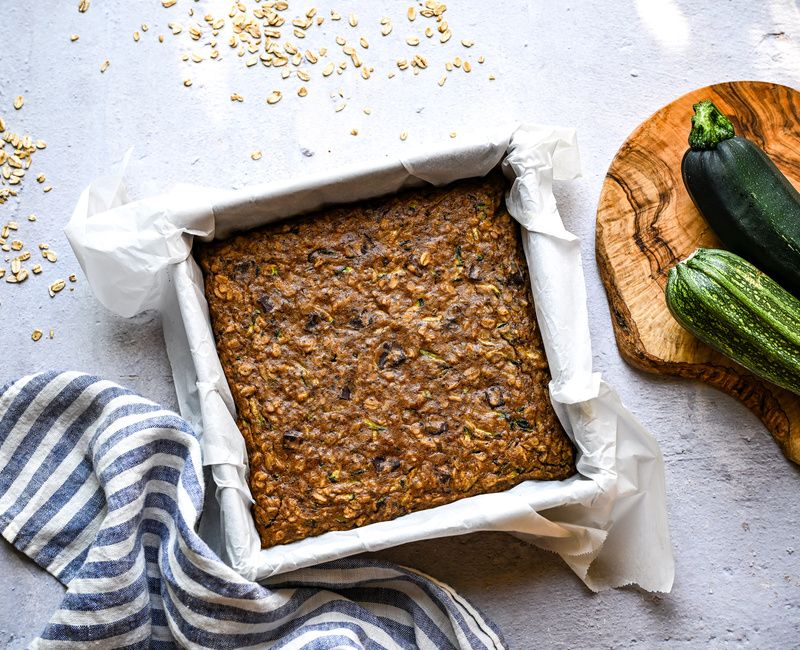
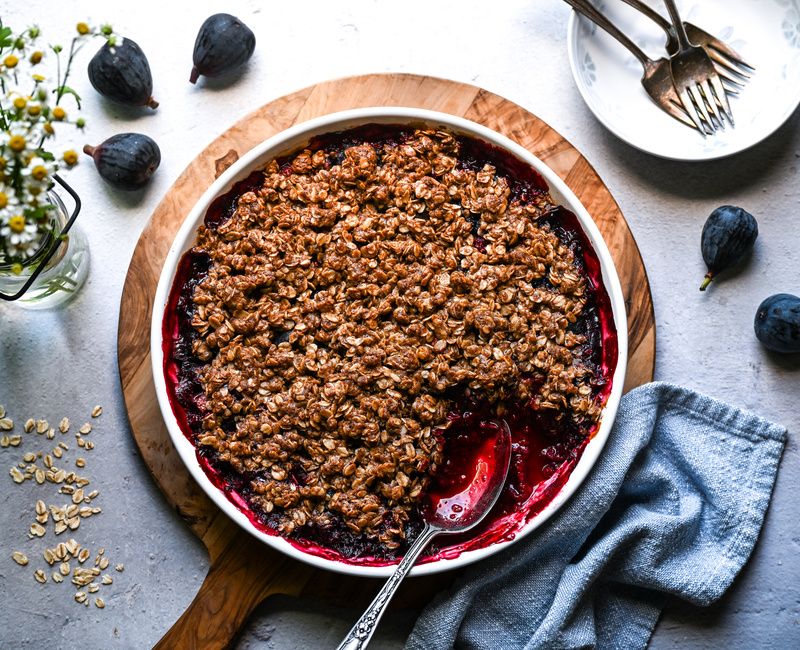
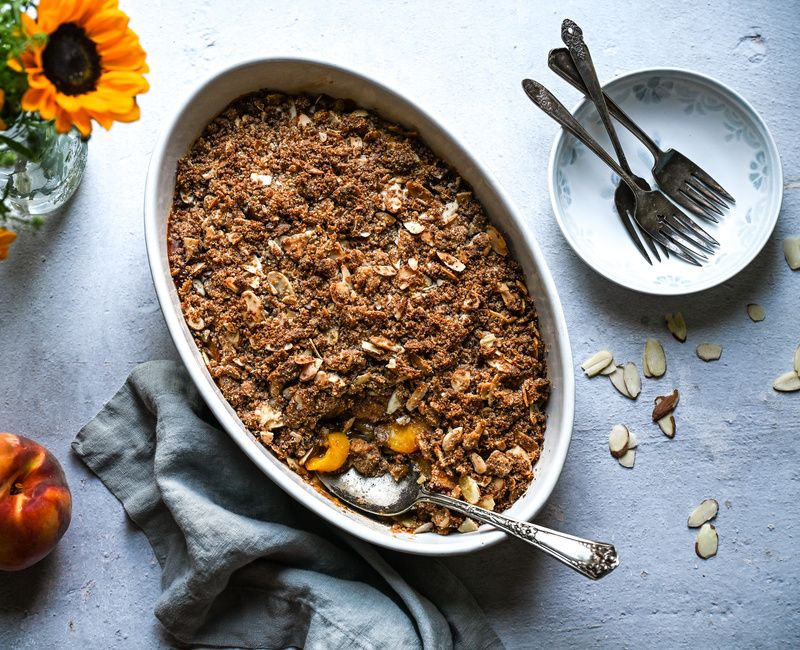
Latest Oat-Free Recipes





















































What Is a Wheat-Free Diet?
A Wheat-Free Diet removes all varieties and derivatives of wheat. This includes modern wheat as well as ancient and heritage forms.
Wheat contains a complex mixture of proteins, including gluten (gliadin and glutenin), as well as other compounds such as amylase-trypsin inhibitors (ATIs) and fermentable carbohydrates (fructans). These components can interact with the digestive and immune systems in different ways depending on the individual.
For some, wheat triggers symptoms due to:
- Wheat allergy (IgE-mediated), which can cause rapid immune reactions
- Non-celiac wheat sensitivity, involving immune and inflammatory pathways
- Fructan intolerance, where fermentable carbohydrates contribute to bloating and gas
- General digestive burden, especially when gut function is compromised
A Wheat-Free Diet removes all wheat-containing foods to reduce these potential triggers. Other grains may still be included, depending on individual tolerance.
Who Is the Wheat-Free Diet For?
This diet may be supportive if you:
For allergy or sensitivity:
- Have a diagnosed wheat allergy
- Experience symptoms after consuming wheat-based foods
- Notice improvement when removing wheat but not necessarily all gluten
For digestive support:
- Experience bloating, gas, or discomfort after bread or pasta
- Have IBS or sensitivity to fermentable carbohydrates (fructans)
- Feel heavy or inflamed after wheat-based meals
For therapeutic exploration:
- Are in an Elimination Diet phase and isolating specific triggers
- Want to differentiate between wheat sensitivity and gluten sensitivity
If symptoms persist beyond wheat removal, you may explore:
- Gluten-Free Diet (removes all gluten-containing grains)
- Low-FODMAP Diet (targets fermentable carbohydrates like fructans)
How Does the Wheat-Free Diet Work?
Removing wheat eliminates exposure to multiple compounds that may contribute to symptoms, including gluten proteins, fructans, and other bioactive molecules.
This can help:
- Reduce digestive discomfort and bloating
- Decrease immune activation
- Improve energy and mental clarity
- Support a calmer, more resilient gut environment
Because wheat contains fructans—a type of fermentable carbohydrate—it can be particularly problematic for individuals with IBS or microbial imbalance. Removing wheat reduces this fermentation load and allows the digestive system to settle.
Wheat tolerance exists on a spectrum. Some individuals feel best removing all wheat initially, then reintroducing specific forms gradually as digestion and overall resilience improve.
Wheat Reintroduction for Non-Allergic Individuals
If wheat is removed for sensitivity or digestive reasons (not allergy or celiac disease), reintroduction can be gradual and intentional.
Strategies may include:
- Starting with small portions
- Trying traditionally prepared forms (such as sourdough fermentation)
- Introducing one type at a time
- Observing symptoms over 24 to 48 hours
Some individuals find they tolerate certain forms of wheat better than others, especially when gut health has improved.
Reintroduction should not be attempted in cases of confirmed wheat allergy without medical supervision.
Foods to Eat on a Wheat-Free Diet
Vegetables:
- All fresh vegetables
- Leafy greens, cruciferous vegetables, root vegetables
Fruits:
- All fresh fruits
Proteins:
- Grass-fed beef, lamb
- Poultry
- Wild-caught fish
- Eggs
- Legumes (if tolerated)
Healthy Fats:
- Olive oil
- Coconut oil
- Avocado oil
- Avocados
- Nuts and seeds
Grains and Starches (Wheat-Free):
- Rice
- Quinoa
- Millet
- Buckwheat
- Corn
- Certified gluten-free oats
- Sorghum
- Teff
- Amaranth
- Potatoes and sweet potatoes
Foods to Avoid on a Wheat-Free Diet
Remove all forms of wheat and wheat-derived ingredients.
Common Wheat Varieties:
- Whole wheat
- White wheat
- Durum
- Semolina
- Farro
- Spelt
- Einkorn
- Emmer
- Kamut (Khorasan wheat)
Wheat-Based Foods:
- Bread, bagels, rolls
- Pasta, noodles
- Crackers, pretzels
- Baked goods (cakes, cookies, muffins)
- Cereals containing wheat
Hidden Sources of Wheat:
- Wheat flour (all types)
- Wheat starch
- Wheat bran
- Wheat germ
- Bulgur
- Couscous
- Seitan
Processed Foods to Watch:
- Sauces and gravies (may use wheat as a thickener)
- Soy sauce (unless wheat-free tamari)
- Packaged snacks and convenience foods
Benefits of a Wheat-Free Diet
- Reduced bloating and digestive discomfort
- Improved energy and mental clarity
- Decreased inflammation for sensitive individuals
- Greater awareness of personal tolerance
Challenges and Considerations
- Wheat is widely used in packaged and restaurant foods
- Many “whole grain” products still rely on wheat
- Dining out may require careful ingredient awareness
- Some individuals may need to explore gluten-free approaches if symptoms persist
For many, this approach is not about long-term restriction, but about understanding how wheat specifically affects the body and making informed, supportive choices.
How Do I Start a Wheat-Free Diet?
- Sign up for a Nourishing Meals® Membership and create your account
- Select “Wheat-Free” in your diet profile
- Combine with other dietary filters as needed
- Explore wheat-free recipes and build weekly meal plans
- Stock your kitchen with naturally wheat-free whole foods
- Track your symptoms and observe changes