





























Beef-Free

Beef is one of the most commonly consumed red meats, valued for its rich flavor, high-quality protein, and dense nutrient profile. It often serves as a central component of many traditional and modern meals.

For some individuals, removing beef can bring noticeable shifts—such as improved digestion, less discomfort after meals, or a greater sense of overall ease in the body. In these cases, beef may be contributing to symptoms through a variety of mechanisms, including difficulty digesting red meat, sensitivity to specific proteins, or, in some instances, immune-related responses.

A Beef-Free Diet removes all forms of beef while allowing flexibility with other protein sources. For many, this approach offers a way to explore individual tolerance, support digestive balance, and better understand how different types of red meat interact with the body.

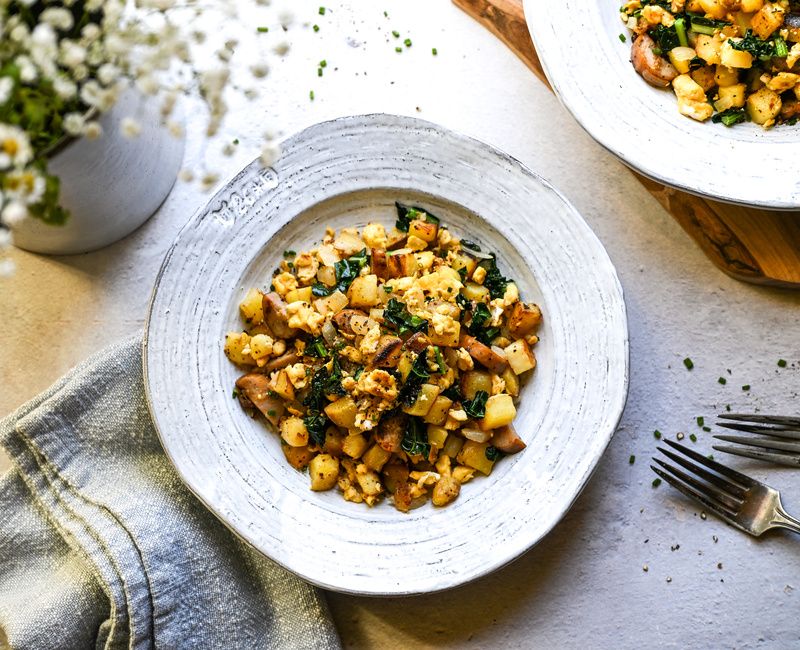
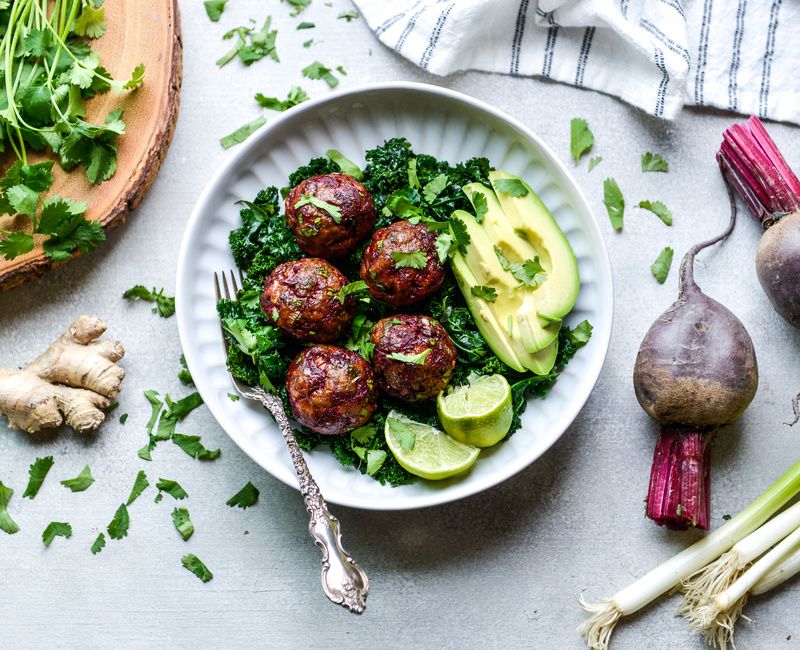
DAIRY-FREE GRAIN-FREE NUT-FREE AIP TURKEY MUSHROOM STROGANOFF

Beef-Free Safe with Modifications

What Is a Beef-Free Diet?

A Beef-Free Diet removes all meat derived from cattle, including both fresh and processed forms.

This includes:

  • Beef (all cuts)
  • Ground beef
  • Veal
  • Beef broth or stock
  • Beef-derived ingredients (such as tallow, gelatin, or collagen if sourced from beef)

Beef contains a range of proteins and fats that may interact differently depending on the individual.

Potential reasons for sensitivity include:

  • Immune reactivity to beef proteins
  • Difficulty digesting higher fat content, particularly in conventional cuts
  • Sensitivity to compounds influenced by feed, antibiotics, or hormones
  • Alpha-gal syndrome, a tick-borne condition associated with reactions to mammalian meat

Who Is the Beef-Free Diet For?

This diet may be supportive if you:

  • Experience digestive discomfort after eating beef
  • Notice fatigue, heaviness, or inflammation after beef-containing meals
  • Are exploring food sensitivities through an Elimination Diet
  • Have been advised to avoid beef
  • Want to compare how your body responds to different protein sources

How Does the Beef-Free Diet Work?

Removing beef eliminates exposure to specific proteins and fat profiles that may be contributing to symptoms.

This can help:

  • Reduce digestive burden
  • Support a more balanced immune response
  • Create clarity around food sensitivities
  • Allow space to explore alternative protein sources

Because beef is often eaten regularly, removing it can significantly reduce cumulative exposure and offer insight into how the body responds without it.


Beef Reintroduction for Non-Allergic Individuals

If beef is removed for sensitivity (not allergy), reintroduction can be gradual.

Strategies may include:

  • Starting with small portions
  • Choosing pasture-raised or grass-fed beef
  • Trying slower-cooked cuts (which may be easier to digest)
  • Observing symptoms over 24 to 48 hours

Reintroduction should not be attempted in cases of confirmed allergy or alpha-gal syndrome without medical guidance.


A Note on Other Red Meats

A Beef-Free Diet removes meat from cattle only. Other red meats—such as bison, elk, venison, and antelope—come from different species and are not considered beef.

These meats are often well tolerated by individuals who choose to avoid beef, and they can provide a rich source of protein, iron, zinc, and vitamin B12. Many are naturally leaner and may have a more favorable fatty acid profile, especially when pasture-raised or wild.

As with all foods, individual tolerance can vary. Some people may choose to explore these options gradually to determine what feels most supportive for their body.


A Note on Pasture-Raised vs. Grain-Fed Beef

The way cattle are raised can significantly influence the composition of the meat.

Pasture-raised (grass-fed) beef tends to contain:

  • Higher levels of omega-3 fatty acids
  • More conjugated linoleic acid (CLA)
  • A more balanced omega-6 to omega-3 ratio
  • Greater antioxidant content

Grain-fed beef, in contrast, is typically higher in total fat and omega-6 fatty acids.

For some individuals, these differences may influence how the body responds—particularly in terms of digestion and inflammatory balance.


Foods to Eat on a Beef-Free Diet

Proteins:

  • Poultry (chicken, turkey)
  • Wild-caught fish and seafood
  • Eggs
  • Lamb
  • Bison
  • Elk
  • Venison (deer)
  • Antelope
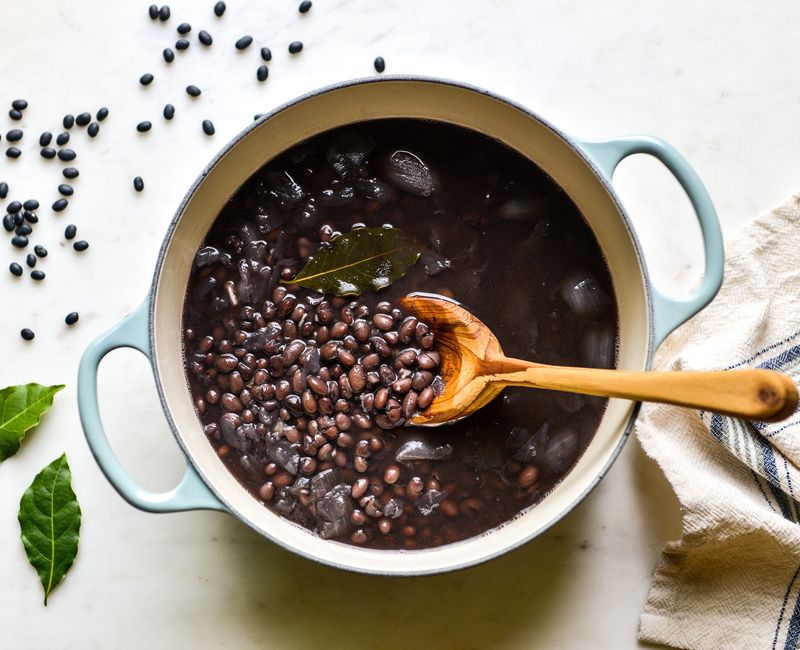
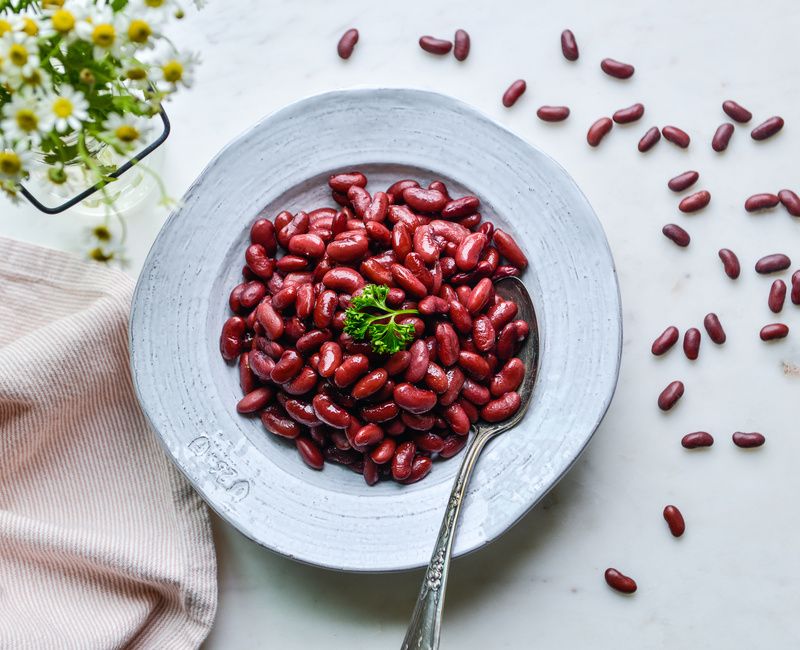
  • Legumes (if tolerated)
  • Nuts and seeds

Vegetables:

  • All fresh vegetables

Fruits:

  • All fresh fruits

Healthy Fats:

  • Olive oil
  • Avocado oil
  • Coconut oil
  • Ghee or butter (if tolerated)
  • Avocados

Grains (If Included):

  • Rice
  • Quinoa
  • Millet
  • Buckwheat
  • Gluten-free oats

Foods to Avoid on a Beef-Free Diet

  • Beef (all cuts)
  • Ground beef
  • Veal
  • Beef broth or stock
  • Beef-derived gelatin, collagen, or tallow
  • Processed foods containing beef

Benefits of a Beef-Free Diet

  • Improved digestive comfort for some individuals
  • Reduced exposure to potential dietary triggers
  • Greater clarity around protein tolerance
  • Opportunity to explore a wider range of protein sources

Challenges and Considerations

  • Beef is widely used in many cuisines
  • It may appear in broths, sauces, and processed foods
  • Alternative meats may be less available depending on location
  • Dining out may require additional awareness

For many, removing beef is not about restriction, it’s about refinement. It creates space to better understand how different foods interact with the body.


How Do I Start a Beef-Free Diet?

  1. Sign up for a Nourishing Meals® Membership and create your account
  2. Select “Beef-Free” in your diet profile
  3. Combine with other dietary filters as needed
  4. Explore beef-free recipes and build weekly meal plans
  5. Stock your kitchen with alternative protein sources
  6. Track your symptoms and observe changes over time
Plan Length Actions

Fall Detox Diet Dinners-1

7 days

Please login to view and schedule plans

Pescatarian Christmas Dinner

1 day

Please login to view and schedule plans