




















Soy-Free
Soy is one of the most widely used food ingredients in the modern food supply—and also one of the Top 9 major food allergens in the United States under federal labeling law. Originally cultivated in East Asia more than 5,000 years ago, soybeans were traditionally prepared through fermentation, becoming foods like miso, tempeh, and natto. In their traditional context, these foods were consumed in modest amounts and prepared in ways that enhanced digestibility.
Today, soy appears in thousands of packaged foods, often in highly refined or isolated forms. Soy protein isolates, soy flour, soybean oil, and soy lecithin are common additives in gluten-free breads, dairy-free substitutes, infant formulas, protein bars, and plant-based meat alternatives. Soy allergy remains one of the most common food allergies in children and can persist into adulthood. The primary allergenic proteins—glycinin and beta-conglycinin—can trigger immune activation in susceptible individuals. Even in the absence of IgE-mediated allergy, some individuals experience digestive discomfort, eczema, bloating, or inflammatory symptoms with soy exposure.
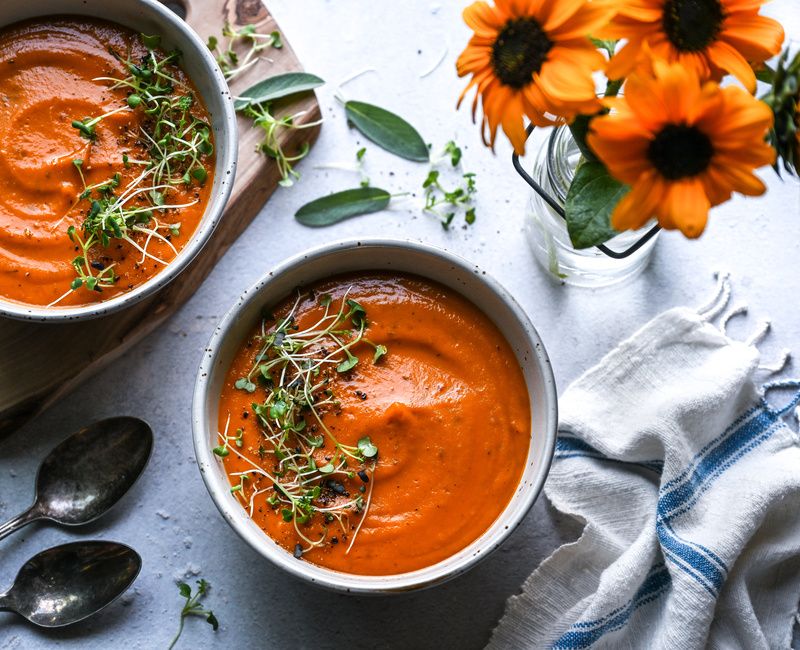
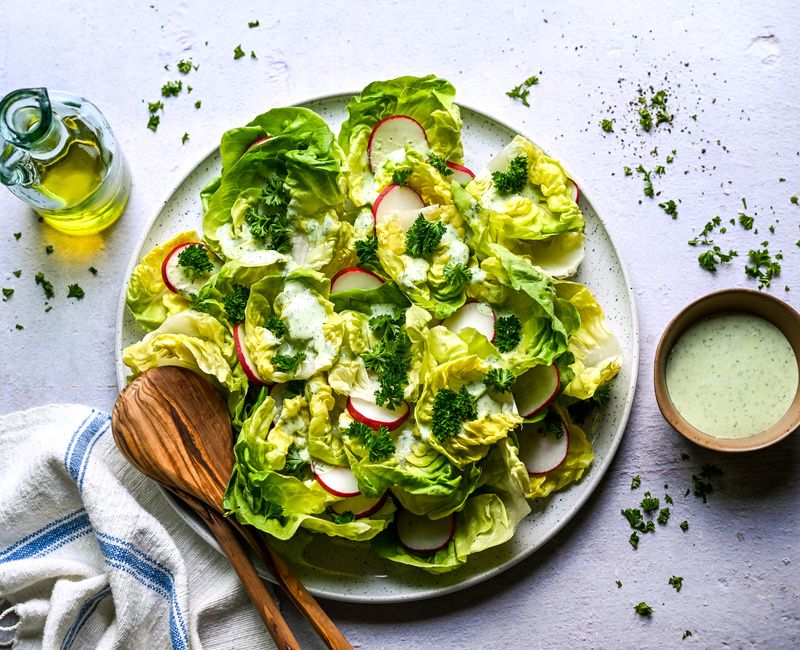
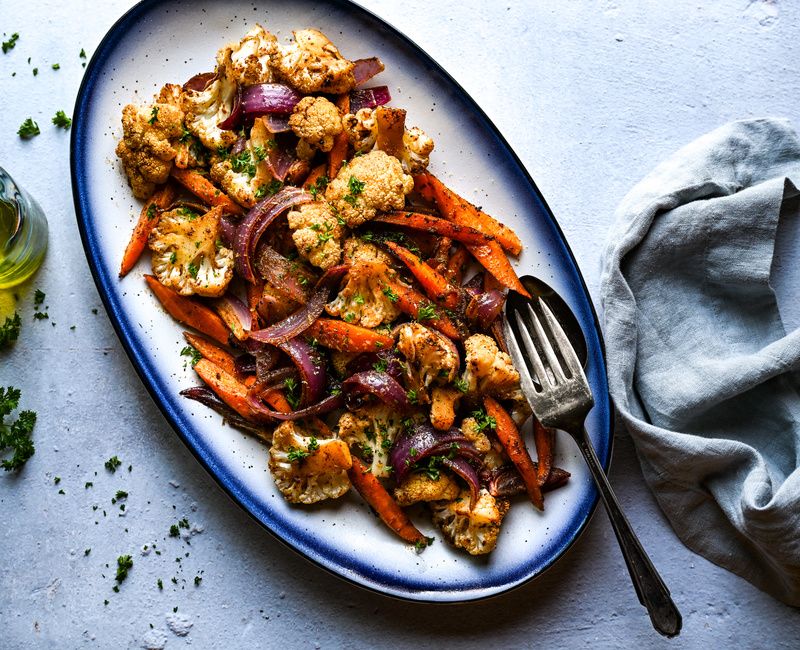
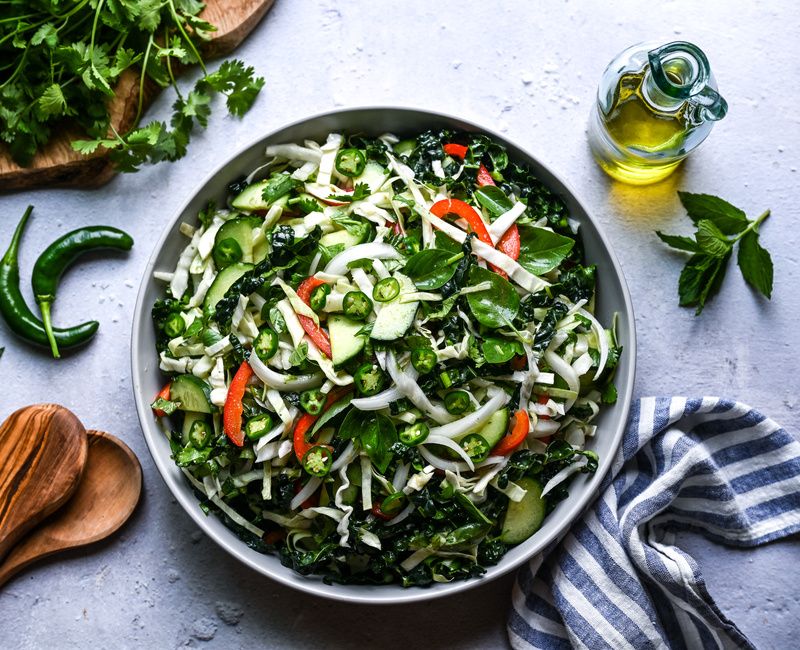
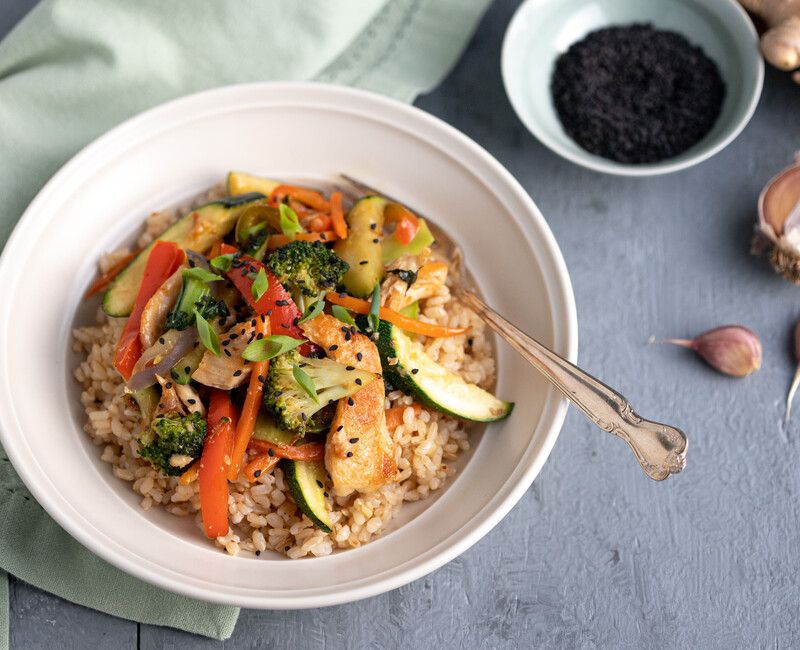
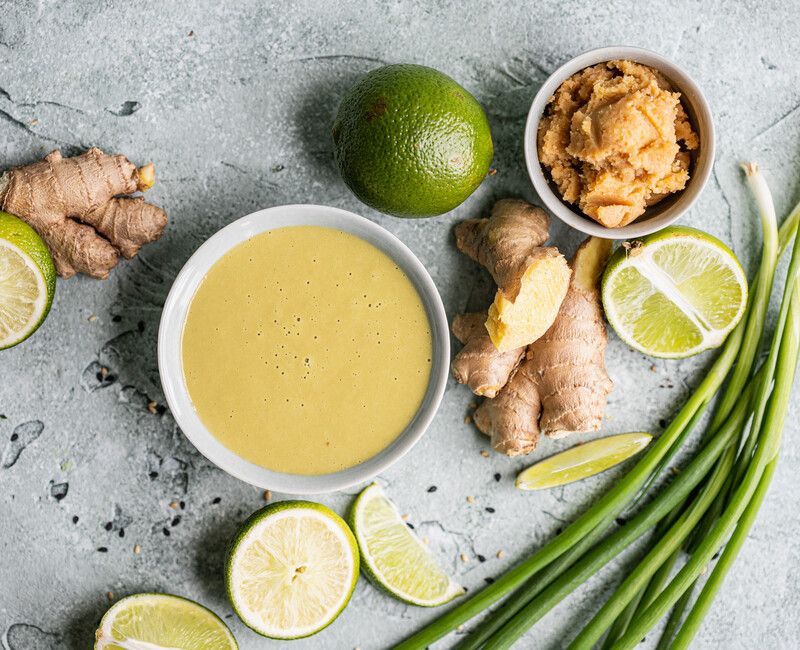
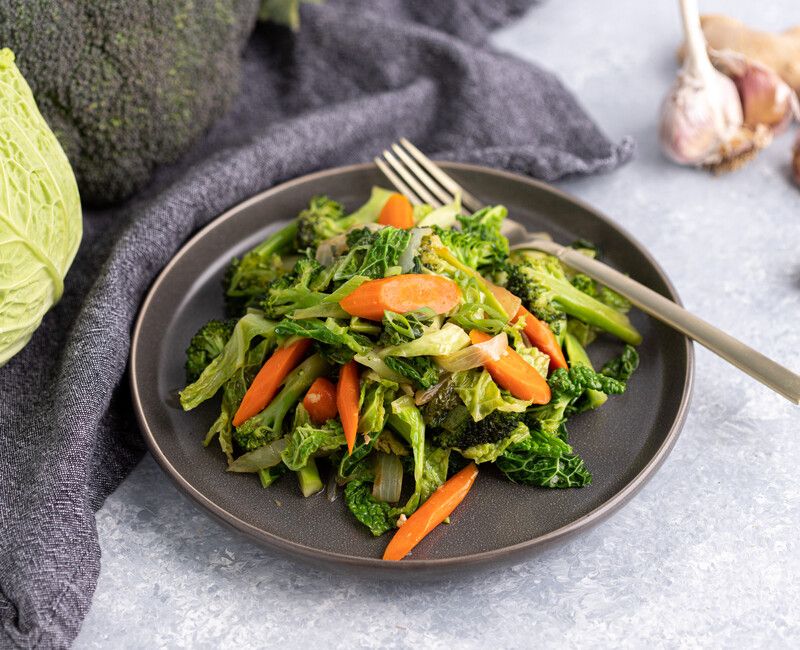
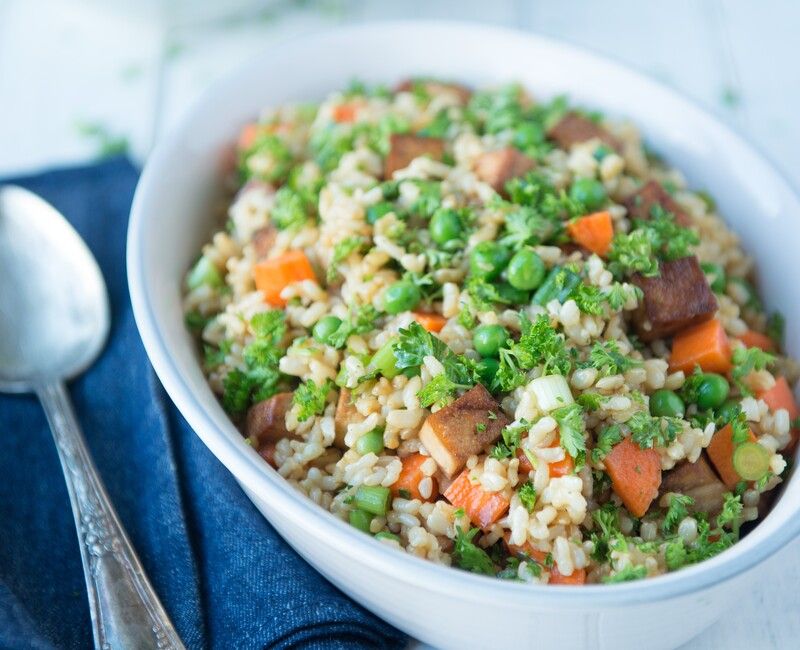
Latest Yeast-Free Diet Recipes
Soy-Free Safe with Modifications
What is a Soy-Free Diet?
A Soy-Free Diet removes all foods and ingredients derived from soybeans, including whole soy foods and soy-based additives commonly used in processed products. This includes obvious sources such as tofu, tempeh, edamame, soy milk, and miso, as well as less visible ingredients like soy protein isolate, soy flour, textured vegetable protein, soy lecithin, and soybean oil.
For individuals with a confirmed IgE-mediated allergy, strict and ongoing avoidance is necessary to prevent immune activation and histamine release. Symptoms can range from hives and swelling to gastrointestinal distress or respiratory reactions. In this context, soy avoidance is a safety measure.
For others, soy removal may be part of a therapeutic elimination strategy. Highly processed soy ingredients can add to cumulative immune load or digestive stress, particularly in those navigating IBS, dysbiosis, eczema, or autoimmune conditions. Removing soy allows inflammation to settle, reduces antigen exposure, and creates clarity around symptom triggers.
A Soy-Free Diet may be lifelong in the case of allergy, or temporary when used to support gut healing and immune recalibration. The goal is not restriction for its own sake, but restoration of resilience and digestive ease.
Who is the Soy-Free Diet For?
Not everyone needs to remove soy. For many people, traditionally prepared soy foods can be tolerated without issue. But when symptoms feel persistent, inflammatory, or difficult to trace, soy is often one of the ingredients worth examining more closely.
Because soy is widely used in processed foods—and because its proteins can activate the immune system in susceptible individuals—it may quietly contribute to symptoms that seem unrelated at first glance. Understanding whether soy plays a role in your pattern begins with recognizing when removal might be appropriate.
For allergy:
- Have a diagnosed soy allergy
- Have experienced IgE-mediated reactions
- Have been advised by an allergist to avoid soy
Symptoms of a soy allergy may include:
- Hives or itching
- Swelling of lips, tongue, or throat
- Wheezing or difficulty breathing
- Nausea, vomiting, or abdominal pain
- Rapid onset digestive distress
- Anaphylaxis in severe cases
Allergic reactions typically occur within minutes to a few hours after exposure and require strict avoidance.
For digestive or immune reasons:
- Experience bloating, eczema, or inflammation after soy consumption
- Have IBS, SIBO, or dysbiosis
- Are navigating autoimmune disease
- Are in a gut-healing or elimination phase
- Notice symptom improvement when soy is removed
Non-allergic soy sensitivity symptoms are often delayed and may be subtler, appearing hours to a day after consumption. In these cases, soy removal can be a therapeutic strategy rather than a lifelong restriction.
If your symptoms are broad, layered, or involve multiple suspected triggers, soy is also removed in several comprehensive elimination approaches, including the Six Food Elimination Diet, the IFM Elimination Diet, the Basic Elimination Diet, and the Full Elimination Diet. These structured protocols remove common reactive foods simultaneously to reduce immune burden and create a clear baseline before thoughtful reintroduction.
If your primary symptoms involve fermentation and bloating, you may also explore a Low-FODMAP or SIBO-focused approach, which reduces certain fermentable carbohydrates, including some soy products. If you are navigating autoimmune reactivity, the Autoimmune Protocol (AIP) also removes soy during its elimination phase to reduce immune stimulation and gut barrier stress.
How Does the Soy-Free Diet Work?
For allergy, removal prevents immune activation by eliminating exposure to reactive soy proteins.
For digestive or immune concerns, removal reduces:
- Antigen exposure
- Immune stimulation
- Gut barrier stress
- Inflammatory signaling
- Cumulative additive load from processed foods
Because soy is so common in packaged products, eliminating it often decreases intake of ultra-processed foods. This naturally shifts dietary patterns toward whole ingredients that support microbiome balance and digestive resilience.
In non-allergic cases, soy may be reintroduced thoughtfully once symptoms stabilize.
Soy Reintroduction for Non-Allergic Individuals:
If soy is removed for digestive or immune reasons (not IgE allergy), reintroduction can be gradual. Begin with small portions of traditionally prepared forms, introduce one type at a time, and assess tolerance over 24 to 48 hours. Support digestion through adequate stomach acid and enzyme function. Reintroduction should not be attempted in confirmed IgE-mediated allergy without medical supervision.
Foods to Eat on a Soy-Free Diet:
Vegetables:
- Leafy greens
- Cruciferous vegetables
- Root vegetables
- Squash
- Onions, garlic, fennel
- Mushrooms, asparagus
Fruits:
- Apples, pears, berries
- Citrus, melons
- Stone fruits
- Bananas, mango
Proteins (Non-Soy):
- Grass-fed beef, lamb
- Poultry
- Wild-caught fish
- Eggs
- Shellfish
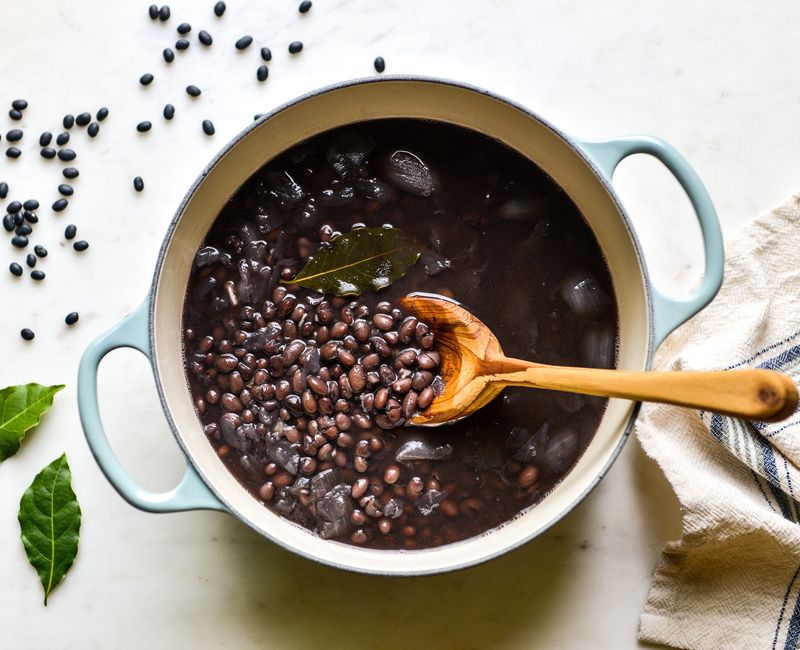
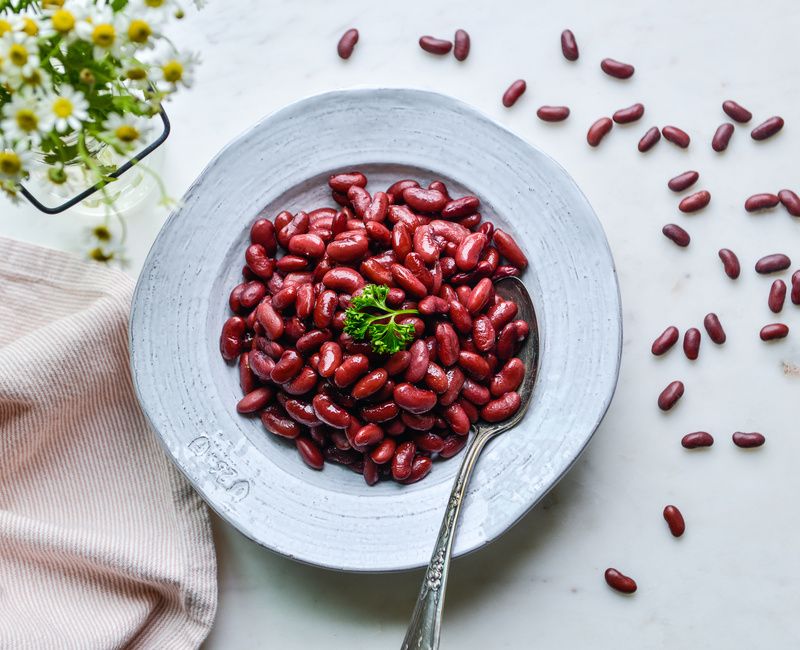
- Legumes (if tolerated and not otherwise restricted)
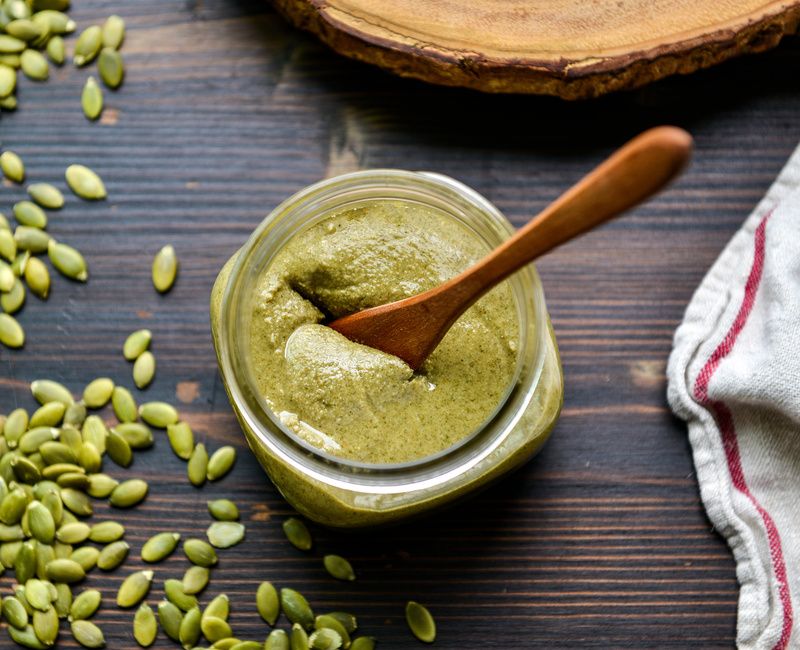
- Nuts and seeds (if tolerated)
Healthy Fats:
- Olive oil
- Coconut oil
- Avocado oil
- Ghee or butter (if tolerated)
- Avocados
Grains (If Included):
- Rice
- Quinoa
- Millet
- Buckwheat
- Certified gluten-free oats
Foods to Avoid on a Soy-Free Diet:
Remove all forms of soy.
Soy Foods:
- Soybeans
- Edamame
- Tofu
- Tempeh
- Miso
- Natto
- Soy milk
- Soy yogurt
- Soy cheese
Soy-Derived Ingredients:
- Soy protein isolate
- Soy protein concentrate
- Textured vegetable protein (TVP)
- Soy flour
- Soy lecithin
- Hydrolyzed soy protein
- Soybean oil
- Mono- and diglycerides (may be soy-derived)
- Vegetable oil blends containing soybean oil
- Natural flavors (may contain soy derivatives)
Soy is frequently found in:
- Salad dressings
- Mayonnaise
- Protein bars
- Chocolate
- Bread and baked goods
- Dairy-free substitutes
- Processed meats
Careful label reading is essential.
Benefits of a Soy-Free Diet
For allergy:
- Reduced risk of acute reactions
- Improved safety and confidence
- Clear dietary clarity
For digestive or immune healing:
- Reduced bloating and irritation
- Calmer skin
- Lower inflammatory load
- Clearer feedback during reintroduction
- A shift toward more whole-food meals
Challenges and Considerations
Soy is widely used in plant-based and processed foods. Soy lecithin appears frequently in chocolate and supplements, and soybean oil is commonly used in restaurant cooking. Pea protein and other legume proteins are often substituted in soy-free products, which may or may not be tolerated depending on the individual.
For individuals with confirmed allergy, strict avoidance is necessary. For others, the long-term goal may be restoration of tolerance once gut integrity and immune balance improve.
Because soy removal can reduce intake of certain plant proteins, attention to overall protein and fiber intake supports dietary balance.
How Do I Start a Soy-Free Diet?
- Sign up for a Nourishing Meals® Membership and create your account.
- Select “Soy-Free” in your diet profile.
- You can combine this with gluten-free, dairy-free, egg-free, legume-free or other therapeutic filters depending on your needs.
- Access thousands of soy-free recipes and build balanced weekly meal plans with automated grocery lists and prep reminders.
- Stock your kitchen with whole vegetables, clean proteins, nourishing fats, and supportive herbs.
- If removing soy for digestive reasons, track symptoms and reassess after several weeks.
- If removing soy for allergy, maintain strict avoidance and work alongside your healthcare provider.
When a single ingredient consistently triggers immune activation or digestive distress, clarity creates relief. Removing soy opens space for steadier digestion, calmer skin, and greater confidence in your food choices. Whether this boundary is lifelong or temporary, the aim is the same: to better understand your body and build meals that support resilience, strength, and ease.
| Plan | Length | Actions |
|---|---|---|
7 Days of Nourishing Winter Soups |
7 days | Please login to view and schedule plans |
Easy Fall Family Meals |
8 days | Please login to view and schedule plans |
Easy Family Meals |
7 days | Please login to view and schedule plans |
Gluten-Free 4th of July Menu |
1 day | Please login to view and schedule plans |
End Of Summer Family Meals |
10 days | Please login to view and schedule plans |
Clean Eating Thanksgiving Recipes |
0 days | Please login to view and schedule plans |
Easy Paleo Fall Meals |
6 days | Please login to view and schedule plans |
Easy Gluten-Free Vegan Meals |
6 days | Please login to view and schedule plans |
Gluten-Free Winter Meals |
7 days | Please login to view and schedule plans |
Vegan & Gluten-Free Holiday Menu |
0 days | Please login to view and schedule plans |
Easy Healthy Eating Menu |
7 days | Please login to view and schedule plans |
Egg-Free Breakfast Ideas |
1 day | Please login to view and schedule plans |
Back-To-School Family Dinners |
5 days | Please login to view and schedule plans |
Nourishing Fall Family Meals |
8 days | Please login to view and schedule plans |