
















































Tree Nut-Free
Tree nuts are often celebrated for their nutrient density and convenience—used in snacks, baked goods, dairy alternatives, and sauces. Yet for many individuals, they can also be a source of significant immune reactivity.
Even small amounts can trigger noticeable symptoms, and in some cases, severe allergic responses. Because of this, removing tree nuts requires both awareness and precision.
A Tree Nut-Free Diet removes all nuts that grow on trees while allowing flexibility with other foods, including seeds and legumes. For those navigating allergies or sensitivities, it provides a structured way to reduce risk and support a more stable internal environment.
Latest Flour-Free Recipes
Tree Nut-Free Safe with Modifications
What Is a Tree Nut-Free Diet?
A Tree Nut-Free Diet removes all nuts that grow on trees, including both whole nuts and ingredients derived from them such as nut flours, butters, and oils.
Tree nuts contain storage proteins that are highly stable and capable of triggering strong immune responses in sensitive individuals. These proteins are resistant to heat and digestion, which contributes to their allergenic potential.
For individuals with an IgE-mediated tree nut allergy, exposure can lead to rapid immune activation and symptoms ranging from mild reactions to anaphylaxis. Tree nut allergies are often persistent and may involve sensitivity to multiple types of nuts.
In addition to true allergy, some individuals may experience non-allergic reactions to tree nuts, including digestive discomfort or delayed immune responses, particularly in the presence of gut or immune imbalance.
In a therapeutic context, removing all tree nuts can reduce risk and simplify dietary choices. After a period of elimination, individuals without confirmed allergy may choose to reintroduce specific nuts cautiously to assess tolerance.
Common Tree Nuts:
- Almonds
- Walnuts
- Cashews
- Pistachios
- Pecans
- Brazil nuts
- Hazelnuts
- Macadamia nuts
Tree nuts contain proteins that can trigger strong immune responses, particularly in allergic individuals.
Who Is the Tree Nut-Free Diet For?
This diet may be essential or supportive if you:
- Have a diagnosed tree nut allergy
- Experience reactions after eating nuts
- Have a history of anaphylaxis
- Are following an Elimination Diet
- Have multiple food sensitivities
How Does the Tree Nut-Free Diet Work?
Removing tree nuts eliminates exposure to highly allergenic proteins that can trigger immune responses in sensitive individuals. This includes avoiding all whole nuts, nut butters, nut flours, and oils derived from tree nuts, as well as packaged foods that may contain hidden sources.
Because tree nuts are commonly used in processed foods and prepared meals, careful label reading and ingredient awareness are essential. Cross-contact can also occur in shared manufacturing facilities or kitchens, which is especially important for individuals with allergies.
This approach can help:
- Prevent allergic reactions
- Reduce immune activation
- Support a more stable inflammatory response
Over time, removing tree nuts creates a clear baseline, allowing the body to settle and making it easier to identify how other foods are tolerated.
A Note on Tree Nut Allergy and Cross-Reactivity
Tree nut allergy is one of the most common and often lifelong food allergies.
Research shows:
- Cross-reactivity between tree nuts is common—especially within the same botanical families (cashew and pistachio, walnut and pecan)
- Between 30 to 60% of individuals allergic to one tree nut may react to others
Additionally:
- Tree nuts and peanuts are different foods, but 20 to 30% of individuals allergic to peanuts are also allergic to tree nuts
Because of this, many individuals remove all tree nuts rather than testing them individually.
Foods to Eat on a Tree Nut-Free Diet
Proteins:
- Poultry
- Fish and seafood
- Beef
- Lamb
- Bison
- Eggs
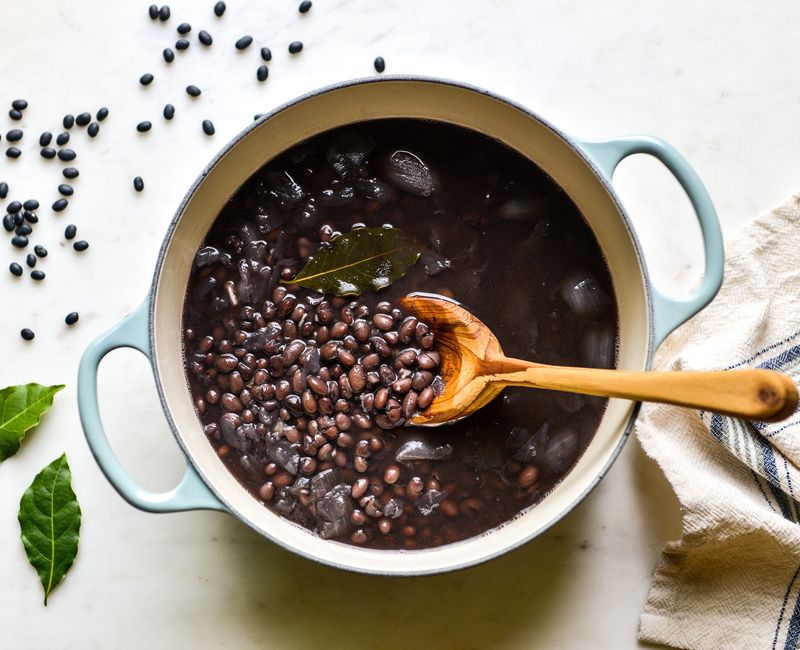
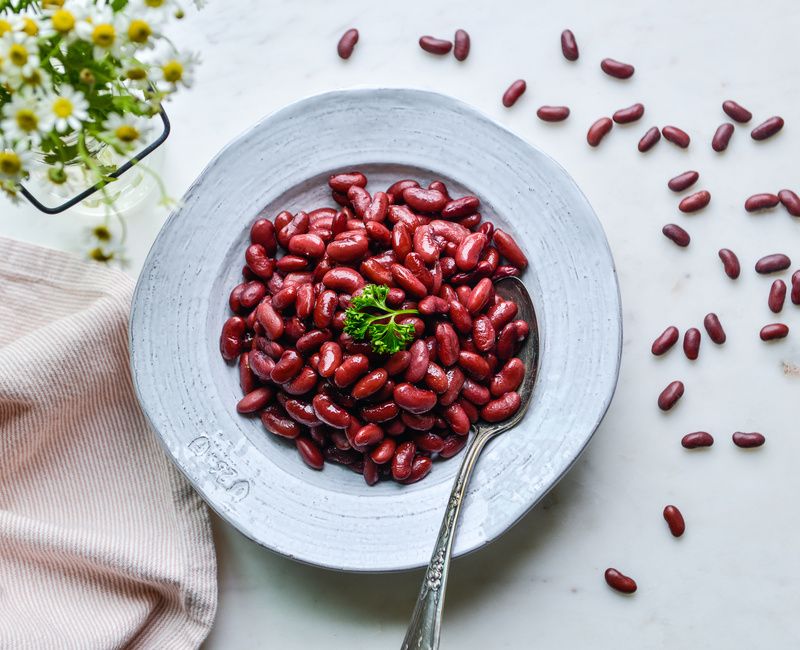
- Legumes
Fats:
- Olive oil
- Coconut oil
- Avocado oil
- Butter or ghee
Alternatives to Nuts:
- Seeds (if tolerated)
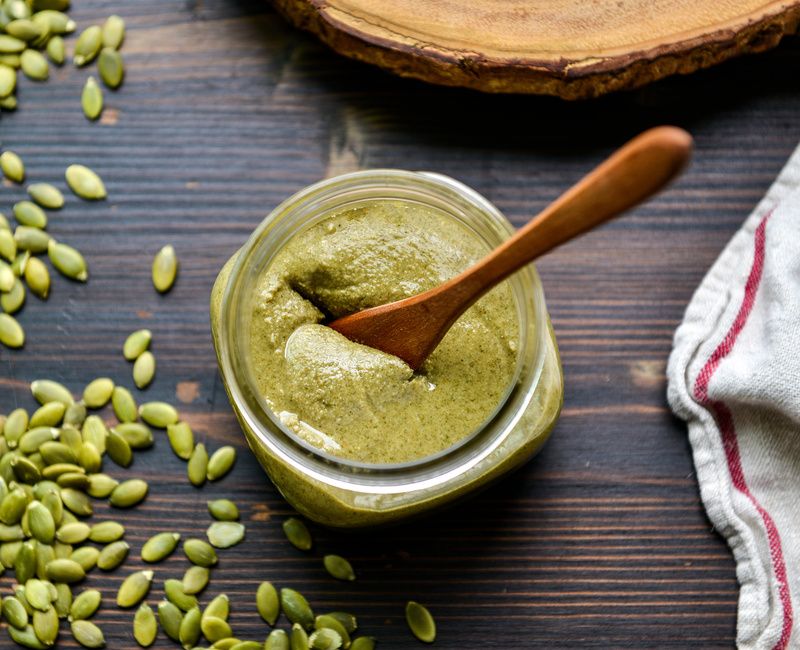
- Seed butters (sunflower, pumpkin, etc.)
Foods to Avoid on a Tree Nut-Free Diet
- Almonds, walnuts, cashews, pistachios
- Pecans, Brazil nuts, hazelnuts, macadamia nuts
- Nut butters
- Nut milks
- Nut flours
Benefits of a Tree Nut-Free Diet
- Prevention of allergic reactions
- Reduced immune burden
- Increased safety and confidence around food
Challenges and Considerations
- Nuts are common in packaged foods and dairy alternatives
- Cross-contamination is a concern
- Careful label reading is essential
How Do I Start a Tree Nut-Free Diet?
- Signup to become a Nourishing Meals® member
- Select “Tree Nut-Free” in your diet profile
- Replace nuts with seeds or other alternatives
- Read ingredient labels carefully
- Communicate clearly when dining out
| Plan | Length | Actions |
|---|---|---|
Easy Healthy Eating Menu |
7 days | Please login to view and schedule plans |
Easy Winter Meals |
6 days | Please login to view and schedule plans |
7 Days of Nourishing Winter Soups |
7 days | Please login to view and schedule plans |